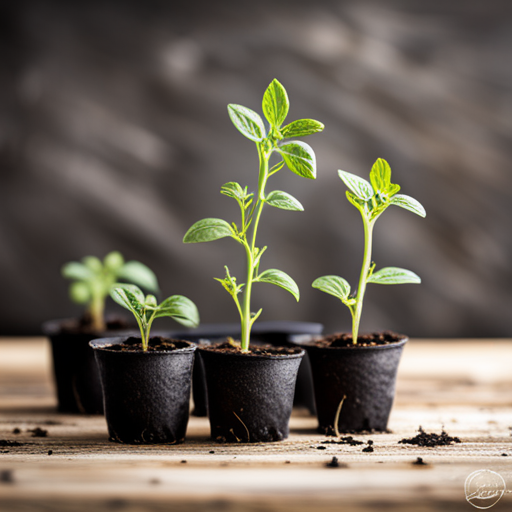
Tomatoes are a staple in home gardens, providing juicy, flavorful fruit that enhances countless dishes. Knowing when to start tomato seeds indoors and how to prepare them for outdoor planting is crucial for a successful harvest. Timing your seed-starting by zone, using the right soil, thinning seedlings, hardening them off, and planting them at the right time will ensure your tomatoes thrive. Here’s everything you need to know to grow healthy tomato plants for spring planting.
When to Start Tomato Seeds Indoors by Zone
The timing for starting tomato seeds indoors depends on your growing zone. Each zone has different frost dates, which are key to determining when to begin your seeds.
- Zone 3 and Zone 4: These colder zones have short growing seasons. Start tomato seeds indoors six to eight weeks before the last expected frost. This typically falls between late February and early March.
- Zone 5 and Zone 6: Gardeners in these zones can start seeds indoors in early to mid-March, about six to eight weeks before the last frost.
- Zone 7 and Zone 8: For these warmer zones, start tomato seeds indoors in late February to early March. This provides plenty of time for the seedlings to grow before transplanting outdoors.
- Zone 9 and Zone 10: In these mild climates, you can start tomato seeds indoors as early as late January to early February. The frost dates in these zones are much earlier, allowing for earlier planting.
Refer to a planting zone map and local frost dates to determine the exact timing for your area. Starting seeds at the right time gives them a strong start without growing too large before transplanting.
Best Soil for Starting Tomato Seeds
Using the right soil is essential for healthy seed germination and seedling growth. Choose a seed-starting mix rather than regular potting soil. Seed-starting mixes are light, well-draining, and nutrient-rich, making them perfect for young plants.
To prepare your seed-starting trays or containers, fill them with moist seed-starting mix. Avoid overwatering the soil before planting seeds. Plant tomato seeds about ¼ inch deep, covering them lightly with soil. Keep the soil evenly moist but not soggy during germination. Using a spray bottle to mist the soil can help maintain the right level of moisture without overwatering.
How to Grow Tomato Seedlings
Creating the ideal growing conditions indoors helps your tomato seedlings thrive. Grow lights and heat mats are essential tools for successful seed starting. Place grow lights a few inches above the seedlings to ensure they receive 12-16 hours of light daily. This prevents the plants from becoming leggy due to insufficient light. Heat mats placed under the seed trays help maintain a consistent soil temperature between 70°F and 80°F, which promotes faster germination. Adjust the height of the lights as the seedlings grow, keeping them close but not touching the plants.
Thinning Tomato Seedlings
Once your tomato seeds germinate and the seedlings develop their first set of true leaves, you’ll need to thin them. Thinning ensures each plant has enough space and nutrients to grow strong.
To thin seedlings, choose the healthiest-looking plant in each cell or container and remove the others. Instead of pulling out the extra seedlings, use scissors to snip them at the soil line. Pulling can disturb the roots of the remaining seedling, which could hinder its growth. Thinning creates room for the selected seedlings to develop strong stems and roots.
Hardening Off Tomato Seedlings
Hardening off your tomato seedlings is a critical step before transplanting them outdoors. This process helps your plants adjust to outdoor conditions, reducing transplant shock and ensuring healthy growth.
Start hardening off your seedlings about 7 to 10 days before planting them outside. Place the seedlings outdoors in a sheltered spot for a few hours each day, gradually increasing their time outside and exposure to direct sunlight. Begin with two hours of filtered light, then work up to six to eight hours in full sun. Bring them indoors at night, especially if temperatures drop below 50°F.
During this process, avoid exposing the seedlings to harsh winds or heavy rain, as these conditions can damage their tender stems and leaves. By the end of the hardening-off period, your plants will be better equipped to handle the outdoor environment.
When to Plant Tomato Seedlings Outdoors by Zone
Planting tomato seedlings at the right time ensures they won’t be damaged by frost or extreme weather. Here’s a guideline for planting tomatoes outdoors based on your zone:
- Zone 3 and Zone 4: Plant tomatoes outside after the last frost date, usually in late May to early June. Be prepared to protect plants with row covers if a late frost threatens.
- Zone 5 and Zone 6: Transplant seedlings outdoors in mid to late May when the danger of frost has passed. Ensure nighttime temperatures consistently stay above 50°F.
- Zone 7 and Zone 8: Plant tomatoes outside in late April to early May. These zones warm up earlier, allowing for earlier planting.
- Zone 9 and Zone 10: In these warmer zones, you can transplant tomatoes outdoors as early as March. These areas rarely experience frost, giving you a longer growing season.
Before planting, ensure the soil temperature is at least 60°F. You can use a soil thermometer to check this. Plant tomatoes in a sunny location with at least six to eight hours of direct sunlight daily.
Additional Tips for Success
- Spacing: When planting tomatoes outdoors, space the plants about 18 to 24 inches apart. This provides good airflow and reduces the risk of diseases.
- Support: Use stakes, cages, or trellises to support your tomato plants as they grow. Supporting the plants keeps the fruit off the ground and reduces the risk of pests and rot.
- Mulching: After planting, add a layer of mulch around the base of each plant. Mulch helps retain soil moisture, suppress weeds, and regulate soil temperature.
Happy Spring Gardening
By starting your seeds at the right time, using quality soil, thinning seedlings, hardening them off, and planting them at the right moment, you set your tomatoes up for success. With these steps, you’ll enjoy a bountiful harvest of fresh, delicious tomatoes throughout the season.
Please be sure to check out my Gardening Blog Post Page for more tips on all types of gardening. Including Seed Saving, Seed Starting, Orchids, Water Gardening, Coldframe Gardening, Indoor Bulb Gardening, Hydroponics, Container Gardening, Mums, Herbs, African Violets, planting Bulbs, Flower Gardening, Vegetable and Fruit Gardening, Indoor Houseplants of all kinds, Cactus, Succulents, Hanging plants, Deer resistant plants and even Bird, Bee, Butterfly and Hummingbird Gardens!