
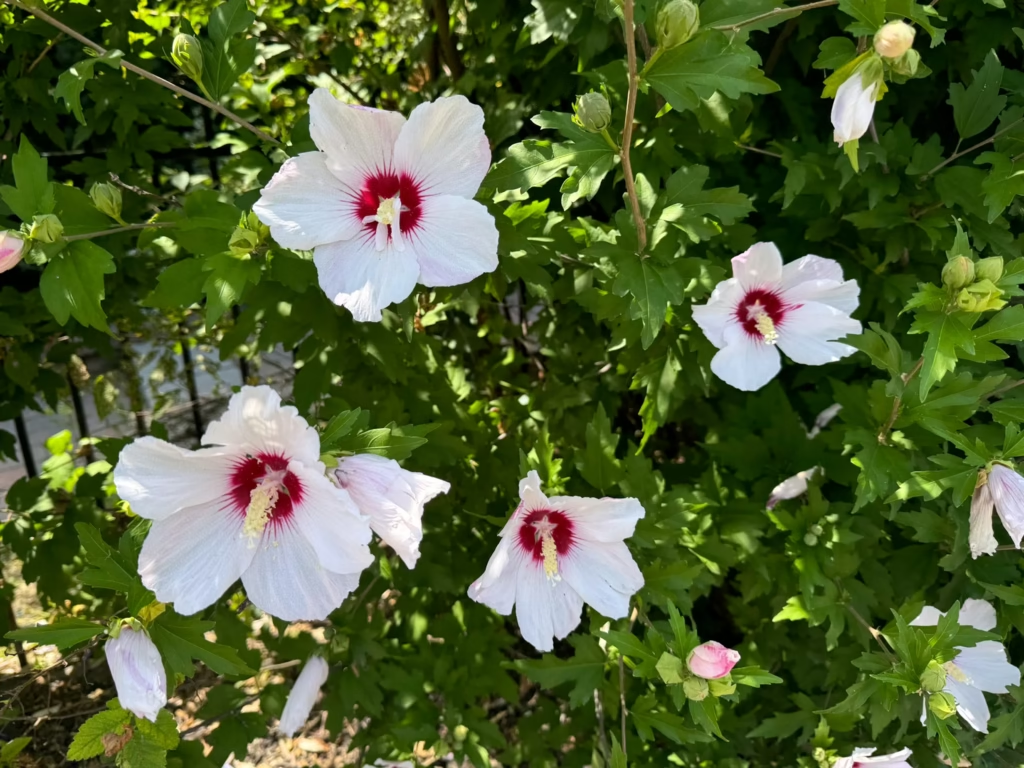
Rose of Sharon is a tough, flowering shrub that brightens the garden in late summer. With its colorful blooms and low-maintenance nature, it’s a favorite for many gardeners. But without trimming, it grows too tall, spreads out, and looks messy. Trimming at the right time helps shape the plant, boost flower growth, and improve its health. The best timing depends on your USDA hardiness zone. Let’s walk through how and when to trim Rose of Sharon by zone, and how to do it right.
Why You Need to Trim Rose of Sharon
Trimming controls the size and shape of the plant and keeps it looking clean and full. It also improves air flow and lets sunlight reach the center of the shrub. This reduces the risk of mildew or rot. More importantly, Rose of Sharon blooms on new growth. So trimming encourages more flowers. Without it, you’ll see fewer blooms and more bare branches.
When to Trim Rose of Sharon by Zone
Zones 5–6: Late Winter to Early Spring (March)
In colder zones like 5 and 6, late winter pruning is ideal. Wait until the coldest part of winter has passed, but don’t wait too long. Aim to prune in early to mid-March before the buds swell. Avoid pruning during a freeze. If a warm stretch arrives, grab your shears and get to work. This early trim gives the shrub time to grow and bloom by midsummer.
Zone 7: Late Winter (Mid to Late February)
In zone 7, start pruning Rose of Sharon by mid-February. The weather tends to warm up a bit earlier here, so you’ll want to get the trimming done before new growth appears. Look for signs of swelling buds, and finish your cuts before they start to open. Early pruning keeps the shrub full and ready to burst with color in summer.
Zone 8: Mid to Late Winter (Late January to Early February)
In warmer zones like 8, late January or early February works best. Temperatures stay mild enough to allow earlier pruning without frost damage. Trim before the plant starts waking up for spring. If you wait too long, new growth may already appear, and you could cut off future blooms. Early pruning means bigger, better flowers in summer.
Zones 9–10: Early to Mid Winter (Late December to January)
In the warmest zones, you can prune as early as late December. The plant rarely goes fully dormant in these areas, but it still benefits from a good cutback. Choose a dry, mild day and trim before mid-January to avoid disturbing early growth. Since your growing season is long, this early pruning won’t slow the plant down—it actually helps it bloom longer.
How to Trim Rose of Sharon the Right Way
Before you start, gather gloves, pruning shears, and loppers for thick branches. Make sure your tools are clean and sharp.
First, remove any dead, damaged, or diseased wood. Cut each branch back to the base or to a healthy stem. Next, remove branches that cross or rub against each other. Open up the center of the plant to improve airflow and shape.
Once the cleanup is done, shape the plant by cutting back the outer branches. Trim about one-third to one-half of the total height. Always cut just above a leaf node or bud that faces outward. This encourages growth in the right direction and keeps the shrub full.
If the plant has gotten too large, don’t worry. You can cut it back by up to two-thirds if needed. Shape it evenly so the new growth looks balanced.
Trimming Young Plants for Better Structure
For young Rose of Sharon plants, light trimming in the first few years helps build a strong shape. Choose three to five strong main stems to keep and remove the rest. These will form the plant’s base as it matures. Continue to shape the young plant each year in late winter or early spring, depending on your zone. With early shaping, the plant stays tidy and blooms evenly.
Rejuvenating Overgrown Shrubs
If your Rose of Sharon has gotten out of control, try rejuvenation pruning. Cut the entire plant down to 12 inches above the ground in late winter. This hard trim encourages the shrub to push out fresh new growth in spring. Don’t do this unless the plant is healthy and well-established. After pruning, feed the plant with compost or slow-release fertilizer to help it recover and regrow.
Summer Touch-Ups and Deadheading
While major pruning happens in winter, you can tidy the plant during summer. Trim off stray or awkward branches that mess with the shape. Deadheading, or removing spent blooms, also helps. This keeps the shrub neat and may stop it from spreading seeds. Rose of Sharon often self-seeds, and removing flowers before they form seed pods prevents new, unwanted seedlings.
Avoid These Common Pruning Mistakes
Timing is everything. If you prune too late in spring, you’ll cut off new growth and delay blooming. Also, avoid pruning during or right before a cold snap. Fresh cuts are more likely to get damaged by frost.
Always make cuts just above a healthy bud—never too close and never too far away. Leaving a stub or cutting too low can damage the stem or invite disease.
Aftercare: Help Your Shrub Bounce Back
After trimming, give your Rose of Sharon a little care. In early spring, apply a balanced fertilizer to feed new growth. Water the plant deeply once a week, especially during dry spells. Add mulch around the base to hold moisture and block weeds. Keep mulch away from the trunk to prevent rot.
Watch for pests during the growing season. Rose of Sharon can attract aphids or beetles. If they show up, use neem oil or insecticidal soap to protect the plant.
Keep It Blooming Year After Year
No matter which zone you live in, trimming your Rose of Sharon at the right time keeps it strong, neat, and full of flowers. Always trim in late winter or early spring before buds appear. Use clean tools, shape the plant carefully, and give it a boost after pruning. With just a little effort each year, your Rose of Sharon will reward you with a summer full of bright, beautiful blooms.
Please be sure to check out my Gardening Blog Post Page for more tips on all types of gardening. Including Seed Saving, Seed Starting, Orchids, Water Gardening, Coldframe Gardening, Indoor Bulb Gardening, Hydroponics, Container Gardening, Mums, Herbs, African Violets, planting Bulbs, Flower Gardening, Vegetable and Fruit Gardening, Indoor Houseplants of all kinds, Cactus, Succulents, Hanging plants, Deer resistant plants and even Bird, Bee, Butterfly and Hummingbird Gardens!