Easy Succulents to Grow

10 easy succulents to grow

Easy Succulents to grow – Having succulents in your garden is a wonderful and easy way to add life and color to your space. Growing succulents that are simple and easy to maintain will give you the best chance at success. A great place to get started with succulents is with this list of the top 10 easiest succulents to grow. From succulent shrubs like Kalanchoe luciae ‘Flapjack’ to succulent vines like Burro’s Tail, all of these plants have one thing in common: they require very little maintenance. The majority of succulents are drought tolerant and will thrive with minimal attention, just enough water, and a reasonable amount of sunlight. Whether you’re an experienced gardener or a novice succulent lover, you can’t go wrong with this list of the top 10 succulents for the home!

Easiest Succulents to Grow

1. Kalanchoe luciae ‘Flapjack’

This succulent shrub is easy to care for and has striking paddle-shaped leaves that are tinged with pink when exposed to full sun. Water deeply but infrequently, allowing the soil to dry out completely between waterings.

2. Burro’s Tail

A trailing succulent with tails of fleshy leaves that can reach up to 2 feet in length, burro’s tail will add a unique texture and color to your garden. Water deeply but infrequently, allowing the soil to dry out completely between waterings.

3. Aloe Vera

One of the most popular succulents, aloe vera is prized for its healing properties as well as its ease of care. Water deeply but infrequently, allowing the soil to dry out completely between waterings. Place them in a sunny location and provide indirect light during their dormant season.

4. Sedum rubrotinctum ‘Aurora’

This low-growing succulent is a great choice for rock gardens or containers. It has star-shaped leaves that are blushed with red and pink hues when exposed to the full sun. Water deeply but infrequently, allowing the soil to dry out completely between waterings.

5. Echeveria ‘Black Prince’

This low-growing succulent has dark purple foliage and produces bright yellow flowers in the late summer. Water deeply but infrequently, allowing the soil to dry out completely between waterings. Place them in a sunny location and provide indirect light during their dormant season.

6. Graptopetalum paraguayense ‘Ghost Plant’

This low-growing succulent has a unique, ghostlike appearance and makes an excellent houseplant. Water deeply but infrequently, allowing the soil to dry out completely between waterings. Place them in a sunny location and provide indirect light during their dormant season.

7. Senecio rowleyanus ‘String of Pearls’

A trailing succulent with round, bead-like foliage that is perfect for hanging baskets. Water deeply but infrequently, allowing the soil to dry out completely between waterings.

8. Haworthia cooperi

A low-growing succulent with white veins that stand out against its dark green foliage. Water deeply but infrequently, allowing the soil to dry out completely between waterings. Place in a sunny location and provide indirect light during their dormant season.

9. Kalanchoe thyrsiflora

A low-growing succulent with red, tubular flowers and green foliage that is dotted with white spots. Water deeply but infrequently, allowing the soil to dry out completely between waterings. Place in a sunny location and provide indirect light during their dormant season.

10. Jade plant (Crassula ovata)

A popular houseplant with thick, glossy leaves and an upright growth habit. Water deeply but infrequently, allowing the soil to dry out completely between waterings. Place in a sunny location and provide indirect light during their dormant season.

Hope you enjoyed the list of top 10 easy succulents to grow. In addition to these succulents, there are also many other varieties of plants that are easy to maintain in your garden or home. If you’re looking for more options, try succulent shrubs, cacti, and air plants as well. With the right amount of sunlight and water, you can enjoy a beautiful garden filled with these easy-care plants!

Learn the Basics of Succulent Care

These easy to grow succulents can bring a unique beauty to any garden or living space. To keep your succulents healthy, it is important to provide the right amount of water, light, and soil. Succulents require well-draining soil and should only be watered when the soil has completely dried out between waterings. They also need 6-8 hours of direct sunlight each day. For propagation, you can take stem cuttings and place them in a well-draining soil mix. With these easy care tips, your succulents will thrive all season long!

For more specific information on how to care for individual succulents, be sure to check out my succulent care blog. You’ll find information on burro’s tail (Sedum Morganianium), Sedum Rubrotinctum, Crassula Ovata, Aloe Vera, Haworthia Fasciata, Agave Attenuata and more! With the right knowledge, you can create a beautiful succulent garden that will last for years to come. Good luck and happy gardening!

Choose the Right Soil Type for Your Succulents

When it comes to caring for succulents, one of the most important things to consider is soil type. Succulents need a well-draining potting mix and should never be kept in soggy soil. Cacti and other desert-dwelling succulents prefer a sandy soil mix with low fertility. For other types of succulents, a mixture of potting soil and perlite or coarse sand is ideal. If you’re unsure about the type of soil to use for your specific succulent, be sure to check out our blog for more information. With the right soil type, your succulents will thrive! Good luck and happy gardening!

Make Sure Your Easy to Grow Succulents Have Adequate Light and Water

To ensure that your succulents stay healthy, it is important to provide them with the right amount of light and water. Succulents need at least 6-8 hours of direct sunlight each day, but they can also tolerate a bit of shade. When it comes to watering, succulents should be watered only when the soil has completely dried out between waterings. They should never be kept in soggy soil and you should always avoid overwatering. With the right combination of light, water, and soil, your succulents will thrive!

Consider Repotting or Splitting Up Large Succulents

If you have large succulents in your garden, it may be time to consider repotting or splitting them up. When succulents become too large for their pot, they can start to suffer from root rot and other problems. Repotting is a great way to give your succulent the extra space it needs while also providing it with fresh, new soil. Repotting is also a great way to propagate your succulents and create a larger collection! With the right care and attention, repotting can be an easy and rewarding task.

Trim, Propagate, and Nurture Your Plants to Encourage Growth

Once you have the basics of your easy to grow succulents care down, it’s time to start nurturing your plants. Trimming off dead leaves and stems will help to encourage new growth and propagate your succulents. Propagating by taking stem cuttings is a great way to increase the size of your collection. Lastly, don’t forget to give your succulents special attention and plenty of love. With these simple tips, you can create a beautiful garden filled with healthy and thriving succulents!

Detect and Treat Pests in Your Succulent Garden

One of the most important things to remember when caring for succulents is to watch out for pests. Common succulent pests include aphids, mealybugs, and scale. If you detect any signs of pests in your garden, it’s important to take action quickly. You can treat small infestations with insecticidal soap or neem oil. If the infestation is more severe, you may need to seek professional help. With the right care and attention, your succulent garden can stay pest-free!

Keep an Eye Out for Diseases in Your Succulents

In addition to pests, you also need to watch out for any signs of diseases in your succulents. Common succulent diseases include root rot, powdery mildew, and botrytis blight. If you detect any signs of disease in your plants, it’s important to take action quickly. You can treat small infestations with a fungicide or by removing the affected plant parts. If the disease is more severe, you may need to seek professional help. With the right care and attention, your succulent garden can stay healthy and disease-free!

Happy gardening and enjoy watching your succulents grow! With the right care and attention, they can become an oasis in your home or garden. Don’t forget to take time out of your day to nurture and appreciate these magical plants. Your succulents will thank you for it!

These tips will ensure that you have a thriving succulent garden in no time! Succulents are easy to care for and make great additions to any garden or home. With the right combination of soil, light, and water, your succulent collection will thrive and stay healthy all season long. Happy gardening!

Please be sure to check out my Gardening Blog Post Page for more tips on all types of gardening. Including Seed Starting, Orchids, Water Gardening, Coldframe Gardening, Indoor Bulb Gardening, Hydroponics, Container Gardening, Mums, Herbs, African Violets, planting Bulbs, Flower Gardening, Vegetable and Fruit Gardening, Indoor Houseplants of all kinds, Cactus, Succulents, Hanging plants, Deer resistant plants and even Bird, Bee, Butterfly and Hummingbird Gardens!

How To Take Care of Haworthia Cooperi

This popular succulent species of Haworthia and can be found in the Eastern Cape Province of South Africa. Haworthia Cooperi has stunning green and white variegated foliage that grows in an upright rosette shape. The foliage develops small white bumps or tubercles on the surface as it matures. Haworthia Cooperi has small white flowers that appear on slender stalks in the summer. And it can reach up to 8 inches (20 cm) in height.

Haworthia Cooperi Care

Haworthia Cooperi is a low-maintenance succulent that prefers well-drained, sandy soil. For best results, Haworthia Cooperi should be placed in full sun to partial shade. It requires regular watering during the warmer months and minimal watering during the winter. It’s important to avoid overwatering as this can lead to root rot. This is a slow-growing succulent and should be repotted every 2 years.

Best pot types for Haworthia Cooperi

This beautiful succulent looks best in terracotta pots, as they are porous and allow the soil to breathe. Haworthia can also be planted in plastic containers with adequate drainage holes, although terracotta is preferred. Haworthia prefers a shallow pot that is narrow at the base and wider at the top. A pot with an attractive shape and color, as it will bring out the beauty of its foliage.

Due to Haworthia Cooperi’s slow-growing nature, it is recommended that it be repotted every 2 years. It should be moved into a slightly larger pot with fresh soil and fertilizer to promote healthy growth. Haworthia Cooperi also appreciates being relocated to an area with more light or shade, depending on its current location. Haworthia should be handled gently when being repotted or moved to avoid damaging the roots. It is a low-maintenance succulent that can thrive in almost any environment. This makes it an ideal addition to any home or garden.

Soil

This succulent prefers well-draining, slightly acidic soil with a neutral pH.. A mixture of succulent potting soil and sand or perlite works best. I prefer perlite as I always have it on hand. Also it will appreciate occasional misting to help increase the humidity levels and promote healthy growth. A cactus and succulent potting mix is ideal for Haworthia succulent, as it will provide adequate drainage while retaining some moisture. Haworthia should not be grown in overly wet or waterlogged soil, as this can lead to root rot and other problems. Haworthia Cooperi should also be protected from high levels of fertilizer salts, so it is important to flush the soil regularly with water.

Light Requirements

Haworthia Cooperi prefers bright, indirect sunlight. This type of light is best achieved by placing Haworthia near a south or west-facing window. It does best when it receives at least 6 hours of bright, indirect sunlight each day to thrive. Although they can also tolerate some shade, but it will not produce the same vibrant colors and growth as those grown in brighter light. Finally it should be protected from direct sunlight to prevent sunburn.

Grow Lights

If unable to place outside it can also be grown indoors using grow lights. Grow lights should provide at least 6 hours of light each day, preferably closer to 8-12 hours depending on the type of bulb used. LED and fluorescent bulbs are commonly used for Haworthia Cooperi and should be placed within 12-18 inches (30-45 cm) of the plant to provide adequate light. Also it should be rotated every few days to ensure that all sides get equal access to light. These FoxGarden Grow lights are one of my favorites!!

Watering your Haworthia Cooperi

Haworthia Cooperi should be watered when the soil is dry to the touch. Haworthia Cooperi prefers a thorough watering and should not be allowed to dry out completely. During the summer months, it should be watered once every week or two, depending on conditions such as light, temperature, and humidity. During the winter, it should be watered only when the soil is completely dry. It should never be allowed to sit in waterlogged soil as this can lead to root rot.

Fertilizer for Haworthria Cooperi

Haworthia does not need to be fertilized, but if desired, it can benefit from a slow-release succulent fertilizer during the growing season. Fertilizer should be applied at half strength or less in order to avoid burning it’s delicate roots. Haworthia Cooperi should never be fertilized during the winter months, as this can lead to over-fertilization and plant stress. Haworthia should also be protected from high levels of fertilizer salts, so it is important to flush the soil regularly with water.

Pruning Haworthia Cooperi

This succulent does not need to be pruned, but it can benefit from occasional trimming. Trimming will help keep its shape and size in check, as well as removing any dead or damaged leaves. It should only be pruned with sharp scissors or aseptic shears to ensure a clean cut. Haworthia Cooperi should not be pruned too heavily to avoid stressing the plant.

Propagation of Haworthia Cooperi

This particular succulent can be easily propagated through leaf cuttings or offsets. Leaf cuttings should be taken from healthy plants and placed in moist, well-draining soil. Offsets can be gently separated from the parent plant and then transplanted into their pot with fresh potting soil. Haworthia Cooperi propagated through leaf cuttings or offsets will take several months to establish and should not be disturbed too often. It must be kept in a warm, bright location for it to thrive.

Pest

Haworthia Cooperi is not particularly susceptible to pests and diseases, but it can fall victim to mealybugs, aphids, and scale insects. These pests are easily detectable due to their white or brown patches on the Haworthia leaves. Mealybugs can be treated with insecticidal soap or neem oil, while aphids and scale insects can be treated with rubbing alcohol. It is important to regularly check Haworthia Cooperi for signs of pests and diseases to keep it healthy.

Troubleshooting Problems with Haworthia Cooperi – Common issues to look out for that may occur over time with this particular plant species

Haworthia can suffer from various problems over time such as root rot, fungal diseases, or nutrient deficiencies. It may also become stunted or develop yellowing leaves if it is not receiving adequate light or water. It is important to regularly check Haworthia for signs of distress and intervene quickly if any issues are detected. This succulent should also be protected from high levels of fertilizer salts. So it is important to flush the soil regularly with water.

Overall it is a relatively easy succulent to care for and can bring life and color to your garden or home decor. Haworthia Cooperi should be kept in a warm, bright location with well-draining soil and protected from high levels of fertilizer salts. Haworthia also requires occasional pruning and pest control to keep it healthy. Proper care for the succulent will ensure that it thrives for many years to come!

Haworthia is a great choice for any gardener looking for an easy-care succulent to add life and color to their home or garden. It requires regular watering, well-draining soil, bright light, periodic pruning, and pest control to thrive. With the proper care, Haworthia Cooperi can bring beauty and life to any garden for many years to come!

This beautiful, easy-care succulent that is perfect for the novice or experienced gardener alike.

Different Types of Haworthia Cooperi

Haworthia is a succulent plant that comes in many varieties, each with its own unique characteristics. Here are a few different types of Haworthia cooperi:

No matter the variety, Haworthia cooperi is beloved by succulent enthusiasts for its striking appearance and ease of care. Whether you’re just starting a collection or adding to an existing one, consider adding one (or more!) of these beautiful plants to your garden.

Please be sure to check out my Gardening Blog Post Page for more tips on all types of gardening. Including Seed Starting, Orchids, Water Gardening, Coldframe Gardening, Indoor Bulb Gardening, Hydroponics, Container Gardening, Mums, Herbs, African Violets, planting Bulbs, Flower Gardening, Vegetable and Fruit Gardening, Indoor Houseplants of all kinds, Cactus, Succulents, Hanging plants, Deer resistant plants and even Bird, Bee, Butterfly and Hummingbird Gardens!
How To Care For String of Bananas

Having a string of bananas succulent in your home can provide you with a unique look for your decor and help to freshen up the air inside your home. The small flowers give off a pleasant aroma and are known to attract butterflies when outdoors. As a result this adds a unique and beautiful look to your garden. It can also help purify the air inside your home by removing pollutants like dust particles, VOCs, and other allergens.

String of Bananas – Senecio Radicans

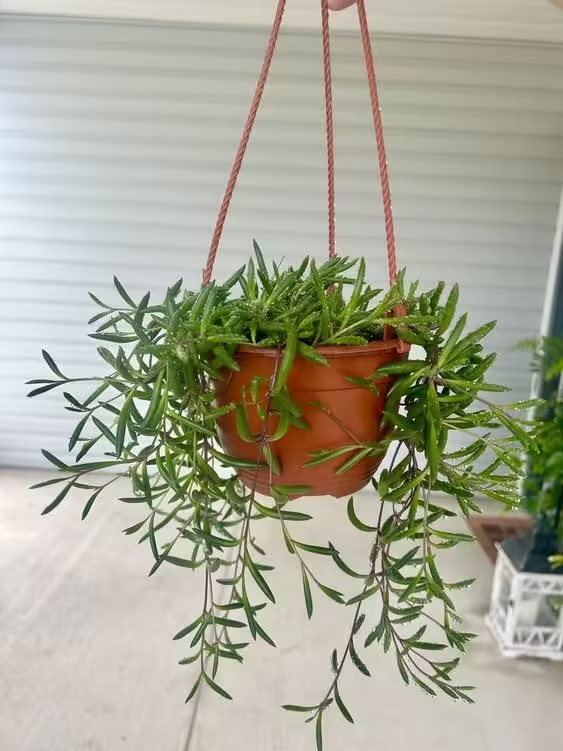
This beauty is a type of trailing succulent that has long, thin stems with tiny small banana-shaped leaves. The generic name for this plant is Senecio radicans and its meaning is “climbing old man.” This unique succulent can be used in hanging baskets or as a houseplant because it will trail down the sides of the pot, giving it an added dimension. It is also drought tolerant and can survive in dry climates as well as humid ones.

String of Bananas Care

how to care for string of bananas
My String of Bananas started from a single cutting!!

I hope you find the following tips including watering, soil, fertilizer, pest, pots and propagation steps helpful!

Water Requirements

The soil should be kept lightly moist, but the succulent does not like to be waterlogged. So allow it to dry out completely before watering again and make sure you’re only giving it enough water so that it doesn’t start to wilt or turn yellow. With proper care, this unique trailing succulent can provide your home with a beautiful and fresh look for years to come.

Dry air can be an issue for this succulent, so it’s important to mist the leaves regularly or keep it in a humid area.

Soil

A well-draining succulent soil mixture is best for the string of bananas succulent. This should be mixed with some additional ingredients like perlite, coarse sand, or pumice to help it retain water even better and improve drainage. You can also mix in a slow-release fertilizer to provide the plant with all the nutrients it needs to grow and flourish.

Fertilizer for string of bananas

A balanced liquid fertilizer can be applied to provide additional nutrients for your banana succulent. Therefore make sure to dilute the fertilizer at half strength and only apply it every other watering. You can also use a slow-release fertilizer once every few months to give it an extra boost of energy.

Best type of pot for a string of bananas

A hanging pot is best for the string of bananas succulent since it will allow it to trail down the sides and provide a more unique look. Also it can also be grown in other types of containers like bonsai pots, terracotta pot or I think it would be perfect in a pot head planter.

Light requirement for string of bananas

The string of bananas succulent prefers bright, indirect light but can also tolerate some shade. It should be protected from direct sunlight and hot temperatures as this could cause it to become sunburnt or start to wilt.

For optimal growth, a grow light or LED plant light can be used to provide the string of bananas succulent with all the additional light it needs. This type of artificial lighting is designed to replicate natural sunlight and will help encourage healthier growth and more vibrant colors.

The string of bananas succulent prefers temperatures between 65 to 80 degrees Fahrenheit. It should not be exposed to cold drafts or high temperatures, as this can cause it to become stressed and start to wilt. When keeping indoors, provide bright indirect light.

I put my string of bananas succulent outside during the warmer months. It can tolerate this as long as it is given some protection from direct sunlight and extreme temperatures. The succulent should also be monitored for signs of stress or wilting and brought back indoors if necessary. For best results, keep the plant in a spot with bright indirect light and water it sparingly.

Pest

Unfortunately, the string of bananas succulent can sometimes be affected by pests such as mealybugs, aphids, and spider mites. To treat these pests, you should inspect your plant regularly for any signs of infestation and then take action to remove or treat the issue quickly.

To treat mealybugs, aphids, and spider mites on a string of bananas succulent, you should use an insecticidal soap or neem oil. Both are natural products that won’t harm the plant and will effectively kill any pests that may be present. Be sure to apply these treatments according to their instructions for best results.

String of Bananas Propagation

Below is the step by step guide on how to propagate your String of Bananas to increase your plant size or share with others!

1. First start by finding a healthy stem from your string of bananas plant. This should have multiple banana shaped leaves.

2. Next you cut the stem just below a node (the part that a leaf is attached to), remove 3-4 leaves/bananas.

3. Place the cutting in a glass of water or propagation stand and make sure that the bottom of the stem is submerged.

4. Don’t forget to change out the water every few days to prevent it from becoming stagnant.

5. Once you see roots beginning to form, you can transplant the cutting into a pot filled with well-draining succulent soil mix.

6. Finally water your newly planted string of bananas regularly and make sure it gets plenty of bright, indirect light.

7. With proper care, your string of bananas should start to grow and eventually produce new leaves and stems.

Troubleshooting tips for common issues with a string of bananas growth

1. If your string of bananas is drooping or wilting, it may not be getting enough water. Make sure to check the soil and water the plant more frequently if needed.

2. If your string of banana leaves is turning yellow, it could be a sign of overwatering or not enough light. Move the plant to a brighter spot and reduce watering frequency.

3. If your string of banana leaves is turning brown, it may be getting too much direct sunlight or heat. Move the plant to a shadier location and make sure that it isn’t exposed to extreme temperatures.

4. If your string of bananas is starting to look stretched out and leggy, it may need more light or fertilizer. Increase the amount of natural or artificial light that your plant is getting and provide additional nutrients with diluted fertilizer.

5. If you notice any pests on your string of bananas, treat them quickly using an insecticidal soap or neem oil to prevent further damage to the plant.

By following these troubleshooting tips and taking good care of your string of bananas succulent, you should be able to keep it healthy and encourage vigorous growth. With its unique trailing habit, this plant can make a great addition to any garden or home décor. Enjoy!

Banana Succulent

The string of bananas succulent is a unique and attractive plant that’s perfect for those who are looking to add a bit of greenery to their home. With the right care, it can produce interesting leaves and stems that offer an eye-catching display.

If you’ve been thinking about adding one of these plants to your home. Then why not make the plunge and buy a string of bananas succulent today? You’ll be able to enjoy its unique foliage and bright colors for years to come. Happy growing!

Please be sure to check out my Gardening Blog Post Page for more tips on all types of gardening. Including Seed Starting, Orchids, Water Gardening, Coldframe Gardening, Indoor Bulb Gardening, Hydroponics, Container Gardening, Mums, Herbs, African Violets, planting Bulbs, Flower Gardening, Vegetable and Fruit Gardening, Indoor Houseplants of all kinds, Cactus, Succulents, Hanging plants, Deer resistant plants and even Bird, Bee, Butterfly and Hummingbird Gardens!

How to Care for String of Dolphins

String of Dolphins
String of Dolphins

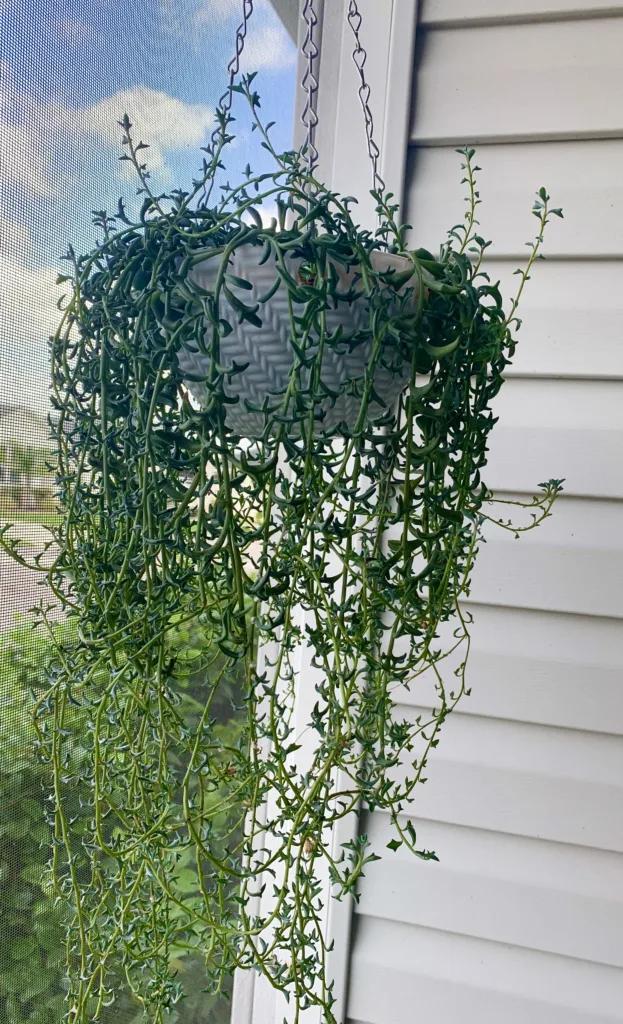
The String of Dolphin succulent is one of the most attractive species of succulents. It is native to South Africa and grows in a trailing form with leaves shaped like dolphins. The leaves are waxy, thick, and silver-green which gives it a unique look. This plant can easily be grown indoors or outdoors and does not require much water or maintenance. When grown outdoors, it can reach up to 3 feet in length. It is also tolerant of a variety of conditions from full sun to shade, drought, or humidity.

The generic name of the string of dolphin succulent is Senecio peregrinus. The word ‘peregrinus’ means “wandering” in Latin. This aptly describes this plant’s growth habit as it trails along like a wandering dolphin. It can be found in many colors such as green, silver-green, and even yellow.

String of Dolphins is not only attractive but also quite resilient making it an ideal choice for novice gardeners. In terms of care, the succulent requires minimal attention. It should be grown in well-draining soil and watered only when the topsoil is completely dry. During the summer months, a diluted liquid fertilizer may be applied to encourage growth. For optimal results, it should be placed in an area with indirect sunlight or partial shade.

Soil Type

The soil should be sandy and well-draining soil. This plant does not tolerate wet conditions and will rot if overwatered. You can use succulent or cactus soil mix for the best results. Do not add extra fertilizer to the soil as it can cause root burn. Also fertilizing too often will lead to an accumulation of salts in the soil.

Choosing the right pot for the string of dolphins.

The size should be wide enough to accommodate the roots of the succulent. A pot with drainage holes is important as it will prevent waterlogging and over-watering. Clay or terracotta pots are ideal for succulents as they allow airflow and help to keep the soil warm in cold climates. Ensure that you select a container that is large enough to give your plant plenty of space to grow. I love this Foraineam pack of hanging pots, I have a string of dolphins in one, string of pearls in another, fishbone cactus in one. An I gave away the other two to my daughter for with string of dolphins and string of pearl starts!!

For best results, the string of dolphins should be repotted once every two years or so.

How to Water String of Dolphins

The succulent requires very little water and should only be watered when the topsoil is completely dry. Over-watering can lead to plant death so it’s important to keep an eye on moisture levels in the soil. To avoid over-watering, allow the soil to become slightly dry before watering again.

How to Propagate String of Dolphins

This is an easy and rewarding process. The succulent can be propagated either through stem cuttings or leaf cuttings. To propagate from stem cuttings, remove a few healthy stems with leaves and place them in moist soil. You can also put the leaf stem in water in a propagation station until roots form and then plant in soil-this is my favorite way. To propagate from a leaf cutting, gently pull off a healthy leaf and place it on top of moist soil. The leaf or stem needs to be completely dry before placing it in the soil. The cuttings should take root within a few weeks and can then be transplanted into their pots.

With proper care and attention, the string of dolphins succulent will continue to thrive year after year. This gorgeous plant adds an elegant touch to any garden or home and is a great choice for beginner gardeners. With minimal maintenance, it can easily bring years of enjoyment.

String of Dolphins Light Requirements

Your string of dolphins succulent needs bright, indirect light to thrive. This type of lighting mimics natural outdoor sunlight and allows the plant to flourish without getting burned from direct exposure. Placing your plant near a window or patio door can provide enough light while keeping it away from direct sun rays. If you place your succulent indoors, using a fluorescent or LED grow light may be beneficial. It is important to keep in mind that too little light can cause the plant to become leggy and weak, so remember to find the perfect balance for your succulent.

Pruning

Pruning is an important part of caring for your string of dolphins succulent, as it encourages healthy new growth and helps maintain the desired shape of your plant. Prune off any dead or damaged leaves and stems with sharp pruning shears, making sure to cut at a 45-degree angle just above where a leaf meets the stem. To shape your plant, remove any stems that are growing too close to each other or in an undesired direction. Be careful not to over-prune as it can cause damage and shock to the plant.

How to Fertilize String of Dolphins

The string of dolphins succulents do not need much fertilizer, but feeding your plant a specialized succulent and cactus fertilizer once or twice a year can be beneficial. This type of fertilizer is usually low in nitrogen to prevent over-stimulating the plant and has a higher level of phosphorus, which encourages healthy growth. Follow label instructions for application and dilution, as too much fertilizer can burn the plant and cause damage.

Pest

The String of Dolphin succulents may be susceptible to pests like mealybugs, scale, and thrips. To get rid of these pests, you can use a cotton ball soaked in rubbing alcohol and apply it directly onto the affected area. If this does not work, consider using an insecticidal soap or neem oil spray. Make sure to follow label instructions for the product you are using, as some can be toxic to pets or humans if not used properly. Additionally, ensure that the plant is well-ventilated and avoid overwatering to prevent a pest infestation from occurring in the first place.

In addition to pests, String of Dolphins succulents may experience fungal diseases such as root rot. Be sure to keep the soil moist but not soggy, as this can cause fungus to grow and spread. If your succulent does develop a fungal issue, you may need to prune off affected areas and treat it with an antifungal solution or neem oil. Make sure to follow instructions for whatever product you are using and to wait until the plant is fully dry before watering again.

Happy Gardening!

By taking these steps, you can better protect your String of Dolphins succulent from pests and fungal diseases, so it can continue to thrive in your home or garden.

By following these tips, you can ensure that your string of dolphin succulent is properly cared for and continue to thrive in its environment. With a little love and attention, this gorgeous specimen will be sure to bring years of joy and beauty to your home or garden.

Overall, String of Dolphins is an eye-catching and easy-to-maintain succulent that will bring a unique look to any garden or home. It requires minimal maintenance and can easily handle different climatic conditions making it an ideal choice for beginner gardeners. Its elegant foliage and trailing form make it suitable for both indoor and outdoor settings, thus providing years of enjoyment. With proper care, this plant can easily thrive in any environment.

Please be sure to check out my Gardening Blog Post Page for more tips on all types of gardening. Including Seed Starting, Orchids, Water Gardening, Coldframe Gardening, Indoor Bulb Gardening, Hydroponics, Container Gardening, Mums, Herbs, African Violets, planting Bulbs, Flower Gardening, Vegetable and Fruit Gardening, Indoor Houseplants of all kinds, Cactus, Succulents, Hanging plants, Deer resistant plants and even Bird, Bee, Butterfly and Hummingbird Gardens!
How to Take Care of Jade Plant

Jade plant

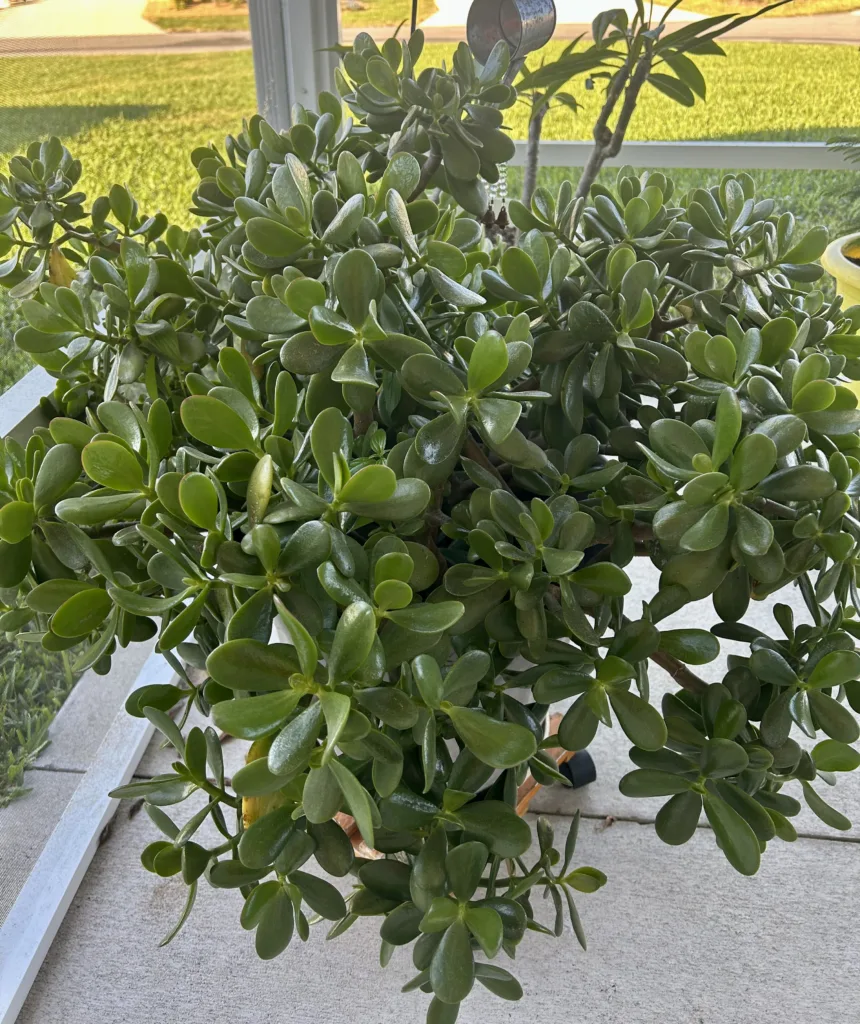
The Jade Plant is known for its longevity, and are known for their symbolization of luck and fortune! Some plants are believed to be hundreds of years old. Its tough leaves can survive in low light levels and neglectful watering. It is Crassula ovata and it is a succulent native to South Africa. It grows in a variety of shapes, from small shrubs to long-stemmed trees. The leaves are thick and fleshy with a glossy surface that reflects light. The green color ranges from bright emerald to dark forest green depending on the amount of sunlight received. The flowers are small and star-shaped, typically a white or pink color.

Jade Plant

If you’re a gardener looking for an eye-catching succulent that can survive occasional neglect, the jade plant (Crassula ovata) is sure to fit the bill perfectly. With its ease of maintenance, it’s easy to see why this hardy little houseplant has become so popular among gardeners. In fact, its longevity as a potted plant has made it one of the classic staples in nearly every home with a green thumb! Whether you’re just starting out on your gardening journey or have had plenty of experience along the way, caring for a jade plant is relatively straightforward. Here’s what you need to know about properly taking care of your new leafy friend.

Jade plant
My Jade Plant-it’s a beast!

Jade Plant Soil Requirements

Knowing the soil requirements for your jade plant is key to a healthy, long-living plant. To ensure proper growth, the soil should be slightly acidic and have good drainage. The ideal pH for is between 6 and 7. Soils with an unrealistic pH level will stunt their development and lead to slow growth. I planted my monster jade above in this miracle grow potting soil with some sand added and it seems to love it! This was in a 3″ pot off the half dead shelf at the local garden center and cost me a whole dollar! Adding sand or pumice to your potting mix can also assist with drainage as waterlogging can be detrimental to the health of your succulent. Depending on your climate and environment, adjust your soil accordingly with small amounts of fertilizer. Give the jade plant adequate amount of sunlight while avoiding exposure to extreme temperatures either way. With diligent care, jade plants can live many years in the right environment!

This succulent is native to dry regions in Africa, is a popular houseplant due to its sculptural leaves, robustness and mythical properties. When it comes to soil, a sandy-loam mix with ample drainage is the ideal type of soil for most jade plants to thrive in. To prepare the soil, combine two parts potting soil with one part coarse sand. Peat moss can help aerate the mixture and slow nutrient release. Additionally, adding some powdered lime at planting time helps provide proper feeding as well as regulate pH levels of the soil. The right kind of soil is essential for a healthy plant since this species likes quick drainage and slow drying out of its medium after waterings.

How often do you Water a Jade Plant

Taking care of this beauty is relatively easy, but making sure it is being watered properly and at the right frequency can be important for health. When watering your jade, water moderately but thoroughly until water begins to come out of the drainage hole in the bottom of your pot. During the summer months jade plants should be watered about once every week or two, or when the soil feels dry to 2-3 inches down. In the winter months they should be watered much less. About once a month or less, as this species naturally slows its growth during winter. Be careful not to overwater jade plants as they are susceptible to root rot if given too much water.

Jade Plant Light

This popular houseplant is known for its attractive oval-shaped leaves and thick branches. With some simple at-home care, it can thrive both indoors and outdoors. When it comes to light requirements, it generally needs how much sunlight as possible. Full sun or bright indirect sunlight is ideal, making it the perfect choice for sunny window ledges or brightly lit rooms. However, if you don’t have ample access to sunlight, investing in an LED grow light is a great way to supplement your plants’ light requirements. This will ensure they receive the right amount of photosynthesis they need every day while helping them stay healthy and flourishing!

How to Fertilize Jade Plant

Fertilizing your jade plant is an important task that should not be overlooked when it comes to promoting healthy growth. Depending on the age of your plant, fertilize twice a month for young plants. And monthly for mature ones with an all-purpose fertilizer high in nitrogen. This will help ensure that the soil has enough nutrients to support the plant’s growth. Be sure to dilute the fertilizer with water before applying. As jade plants can be sensitive to strong levels of fertilizer and might get burned if applied directly. Finally, keep in mind that too much fertilization can burn the leaves of your jade plant. This will cause it to lose its lush green color, so be careful when applying and use sparingly. With the right fertilizer, your jade plant will be able to stay healthy and flourish!

Best Pot for Jade Plant

As it continues to grow, it is important that you find the best pot for it. Clay pots are generally preferred as they provide better drainage and airflow. But plastic or glazed pots will also work. When selecting a size of pot to use, choose something slightly bigger than what your jade plant currently needs. Opting for an 8-10 inch diameter for young plants and a 12-14 inch diameter for more mature plants. This will ensure that enough space is provided for the root system to grow and flourish as your jade plant continues to develop.

Propagating Jade Plant

Propagating this succulent is an affordable, satisfying process that can give you a gratifying sense of accomplishment. The best way to propagate your own jade plant is by taking stem cuttings and growing them. Start by cutting a 4 to 6-inch stem from an existing jade plant or use scissors to snip off the end of a stem near the base. Be careful not to damage the leaves while cutting. Remove the bottom few petals/leaves and let it harden off for a few days. Then, prepare the soil with equal parts sand and peat moss. Plant the stems up until just below its lowest green leaf node before lightly patting down the soil. Keep it in indirect sunlight and water it every other day until roots start sprouting out of the cutting; this may take several weeks! With patience and just a few simple steps, you can easily start growing your own jade plant for your home or garden.

Jade Plant Varieties

Below are just a few of the different varieties to add to your collection.

Baby Jade (Crassula argentea)

This species is a miniature version of the traditional jade plant, with short stems and small leaves. Its tiny size makes it great for small spaces, such as windowsills or tabletops.

Friendship Tree (Crassula ovata ‘Gollum’):

This type of jade plant is characterized by its unique tubular leaves. Its silvery green hue gives a magical appearance, while the long trailing stems make it perfect for hanging baskets or climbing frames.

Hobbit Jade (Crassula ovata ‘Hobbit’)

This type of jade plant has thick succulent leaves with a deep forest green color. It grows low to the ground and can reach up to 3 feet in height.

Gollum Jade (Crassula ovata ‘Gollum’)

This type of jade plant has wide, tubular leaves that are slightly curved at the tips giving them a distinctive “gollum” shape. Its bright green leaves are a beautiful addition to any home.

Gold Finger Jade (Crassula argentea ‘Gold Fingers’)

This type of jade plant is known for its amazing golden foliage. Its thick leaves change from yellow to orange and eventually turn vivid red in the winter months.

Variegated Jade (Crassula argentea variegata)

This type of jade plant has stunning pink and green striped foliage. Its soft leaves add a pop of color to any home, making it the perfect accent piece.

No matter which type of jade you choose, proper care is essential for a healthy and long-lasting plant. These easy-care succulents require bright indirect sunlight and occasional watering to thrive indoors. With the right amount of love and attention, your jade plant will bring good luck and positive energy into your home for years to come.

Happy Gardening!

You now know that a jade plant is an evergreen succulent with thick, glossy leaves. With proper care to provide the right soil, enough sunlight and water your jade plant can thrive in your home or garden. When it comes to deciding which size pot and type of soil best suit your needs. Both depend on the conditions of the space they’re planted in. Whether you choose terra cotta pots or plastic containers, jade plants are known for their symbolization of luck and fortune. But perhaps most importantly, caring for plants bring peace and serenity each day from simple tasks such as watering plants.

So why not get one for yourself? The advantages of owning a jade plant are tremendous! Alongside having a constant source of luck and fortune. You would also be able to create a unique atmosphere in your garden that would give instant tranquility allowing you to live worry-free within a sustainable environment. So if you’re looking for an enduring houseplant with good luck significance and easy maintenance- jade plant should be at the top of your list!

Please be sure to check out my Gardening Blog Post Page for more tips on all types of gardening. Including Seed Starting, Orchids, Water Gardening, Coldframe Gardening, Indoor Bulb Gardening, Hydroponics, Container Gardening, Mums, Herbs, African Violets, planting Bulbs, Flower Gardening, Vegetable and Fruit Gardening, Indoor Houseplants of all kinds, Cactus, Succulents, Hanging plants, Deer resistant plants and even Bird, Bee, Butterfly and Hummingbird Gardens!
Fishbone Cactus Care

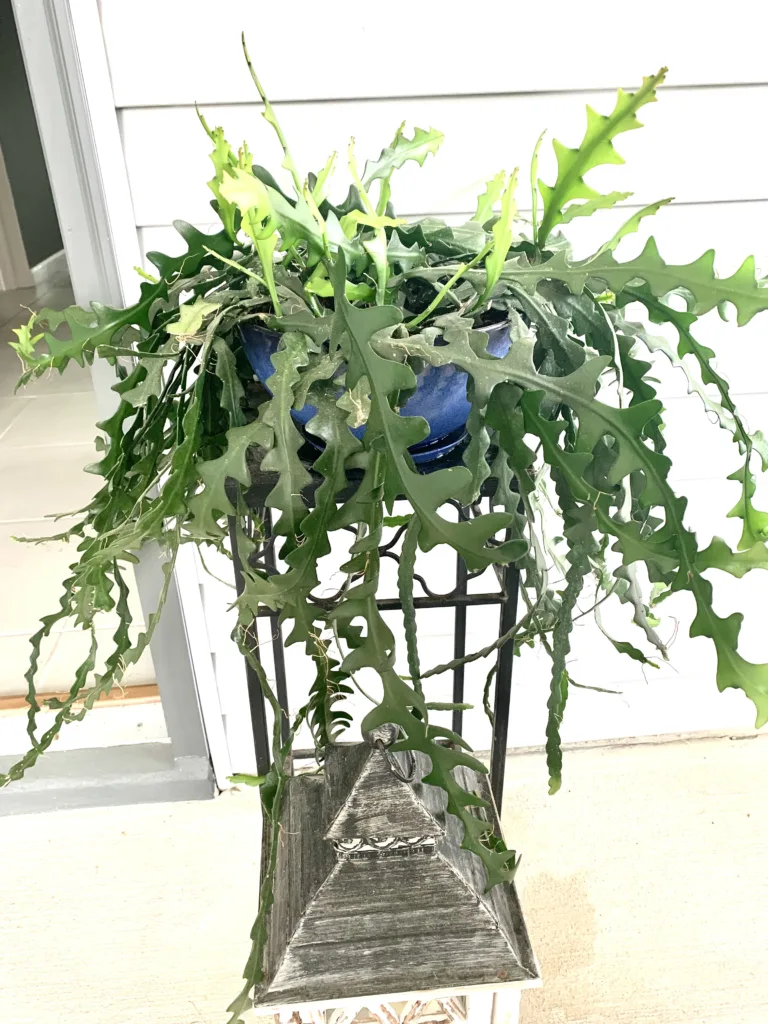
A Fishbone Cactus (or Epiphyllum angular) is a popular houseplant that is easy to care for and provides an interesting conversation piece. Unlike some other cacti, this cactus does not have spines or needles, making them a safe option for households with pets or small children. The Fishbone Cactus is composed of flat, paddle-shaped leaves that grow in a pattern resembling a fish skeleton. Also, known as Ric Rac or Zig Zag Cactus. They are usually green but can sometimes have yellow and pinkish hues.

Fishbone Cactus Flower

This Cactus has impressive blooms that generally appear during the summer months. These blooms come in shades of white or pink and have a unique and attractive scent. They also make for a nice addition to any home, as the blooms are fragrant and quite eye-catching.

Fishbone Cactus Care

When caring for your fishbone cactus, it’s important to provide the right environment. They prefer bright light and should not be placed in direct sunlight as this can cause sunburn. Watering should also be done carefully, as they are prone to root rot if overwatered. A good rule of thumb is that the soil should dry out between waterings.

Choosing the right pot and soil

The correct pot is essential for its health. A pot with drainage holes should be used, and the soil should be a mixture of cactus soil and perlite or pumice to promote good drainage. The Fishbone Cactus needs bright light but not direct sunlight, and it should be kept moist but not soggy.

Fertilizer

This Cactus should be fertilized regularly during the growing season (spring and summer). A balanced fertilizer is recommended, as this cactus does best with a mix of nitrogen, phosphorus, and potassium. Care should be taken not to over-fertilize, however, as too much can damage the plant’s roots.

Watering

The Fishbone Cactus should be watered when the soil has dried out, usually every 7-10 days during the growing season and less often during the winter months. Overwatering can lead to root rot, so care must be taken not to water too frequently.

Light

The Fishbone Cactus enjoys bright light but not direct sunlight, so it is best to place the plant near a window or other source of indirect light. If the sun is too strong, it can cause scorching of the leaves and damage the plant.

Grow Light

If the plant is not receiving enough light, a grow light can be used to supplement natural sunlight. These lights should only be used during the day and should be turned off at night.

Propagating Fishbone Cactus

If you are looking to increase your Fishbone Cactus collection, then taking cuttings from the plant is a great way to do so. To propagate your cactus, simply use a sharp knife to carefully cut pieces of the stem, let them sit out, and allow the cut edges to harden off for a few days then replant in new pots with cactus soil. The cuttings should be kept moist until they have rooted and are then ready to be potted.

Pest and how to Control

The Fishbone Cactus may be susceptible to pests such as mealybugs, spider mites, or scale. If you notice any of these pests on your cactus, then it is important to act quickly and treat the plant with an appropriate insecticide.

For the Fishbone Cactus, insecticidal soap or neem oil can be used to treat pest infestations. It is important to read and follow the directions on the product’s label carefully before applying it to your plant.

Tips on Pruning Fishbone Cactus

When the Fishbone Cactus gets too large or unruly, it can be pruned back to its desired size. Pruning should be done in the spring or summer when the plant is actively growing and before flowering has begun. When pruning, use clean and sharp scissors to ensure a clean cut.

Common Mistakes to avoid when growing Fishbone Cactus

One common mistake when growing Fishbone Cactus is over-watering. Too much water can cause root rot and kill the plant, so it is important to check the soil before each watering and only give enough to keep the soil moist but not soggy. It is also important to provide adequate light for your cactus; too little light can cause the plant to become leggy and weak. Lastly, fertilizing too often or with a fertilizer that is too strong can damage your cactus’s roots, so it is important to use a balanced fertilizer and follow the directions on the package.

Happy Gardening!

The Fishbone Cactus is a beautiful and easy-to-care-for succulent that adds an interesting element to any home or garden. With the right pot, soil, and light it is easy to maintain and propagate if desired. It should be watered when the soil has dried out and fertilized regularly during the growing season. Finally, it is important to watch out for pests and not over-water or over-fertilize your cactus. With the proper care, your Fishbone Cactus will thrive!

Please be sure to check out my Gardening Blog Post Page for more tips on all types of gardening. Including Seed Starting, Orchids, Water Gardening, Coldframe Gardening, Indoor Bulb Gardening, Hydroponics, Container Gardening, Mums, Herbs, African Violets, planting Bulbs, Flower Gardening, Vegetable and Fruit Gardening, Indoor Houseplants of all kinds, Cactus, Succulents, Hanging plants, Deer resistant plants and even Bird, Bee, Butterfly and Hummingbird Gardens!
Fishbone Cactus

My beautiful Fishbone Cactus started a year ago with just 3 cuttings and now look at it!! I have given away multiple starts and each time it just shoots out more!!

Stapelia – tips and trick on how to care for your new Succulent

Stapelia Succulent

Stapelia also known as Starfish Flower, is a particularly interesting succulent that has become increasingly popular in recent years. The common name comes from the star-like shape of its flowers, which can be seen during blooming time. This Succulent grows easily with minimal care and does not require extensive maintenance or special care instructions. The plant is relatively hardy and can tolerate some drought, with temperatures ranging from about 50 to 120 degrees Fahrenheit. It grows well in dry, sunny climates and appreciates plenty of space to spread out.

Stapelia Flower

An interesting succulent to grow as it produces unique, star-shaped flowers. The blooms can reach up to six inches in diameter and are usually bright yellow or pink with purple hues. These flowers have a distinctively unpleasant smell that has been likened to rotting meat. The foul odor is thought to attract the flies that pollinate the flowers.

Stapelia Varieties

This succulent comes in several varieties, all of which have star-shaped flowers. Some of the most popular types are Stapelia grandiflora, Stapelia Gigantea, and Stapelia Variegata. Each variety has slightly different flower colors and sizes, so you can choose one that best suits your preferences.

Stapelia Grandiflora

Stapelia Grandiflora is the most popular variety of Stapelia. It has large, bright yellow flowers with purple edges and can reach up to six inches in diameter. This plant is relatively easy to care for and requires only occasional watering during dry periods.

Stapelia Gigantea

The Stapelia Gigantea variety is much larger than the Grandiflora and can reach up to twelve inches in diameter. The flowers are a deep pink color with purple hues and have an even more pungent smell than the Grandiflora. This plant also needs minimal care but does require more water during dry periods.

Stapelia Variegata

The Stapelia Variegata variety has star-shaped flowers that range in color from bright yellow to pink with purple hues. This plant is more difficult to care for than the other two varieties and needs regular watering, especially during dry periods. It also appreciates plenty of light and warmth.

Steps on How to Care for Stapelia

Watering

These succulents prefer to be watered infrequently, and they should never sit in waterlogged soil. Allow the top inch of soil to dry out between watering sessions, then provide a good soaking when needed. It’s best to use lukewarm or room-temperature water as cold water can shock the plant.

Best Pots

When it comes to container selection, opt for a pot that offers plenty of drainage holes. This is especially important when growing, since the succulent can suffer if its roots are sitting in soggy soil for too long. Clay and ceramic pots are ideal, as they help promote better air circulation around the root system.

Lighting Requirements

These succulents thrive in bright sunlight, so choose a location that receives direct sunshine for at least four hours a day. Place your plant near a south- or west-facing window to ensure it gets enough light.

Growlight can also be used if natural sunlight is not available.

Fertilizer

They don’t need to be fertilized often, but light feeding in the spring and summer will help promote growth and flowering. Choose an organic fertilizer with low-nitrogen content and mix it into the soil at a rate of 1/2 teaspoon per gallon.

Soil

Stapelia succulents need well-draining soil, so use a commercial cactus and succulent potting mix or make your own. Make sure the soil is light enough to allow water to drain quickly, yet still retain some moisture.

Pruning

Stapelia succulents can occasionally benefit from pruning, especially if the plant is becoming too tall or unruly. This can be done by cutting off any straggly stems and leaves at the base of the plant with sterile scissors or shears. Be sure to leave enough foliage for photosynthesis.

How to propagate Stapelia

This succulent can be propagated from cuttings, seeds, or tissue cultures. Cuttings are the easiest way to propagate and require taking a single stem with two to three leaves attached. Place the cutting in a jar of water for a few days until rooted, then transfer it to potting soil. Seeds should also be planted in potting soil, while tissue culture is a more advanced method that requires special equipment. All three methods require bright light and well-draining soil to ensure successful propagation.

Finally, Stapelia can be propagated through offsets or baby plants that are found near the base of the mature plant. Carefully remove these with a sharp knife or pruning shears and plant them in their own pot. Keep the soil damp but not soggy, and provide plenty of light. After several weeks, you should notice new growth on your Stapelia succulent.

Pest

Stapelia succulents are relatively pest-free, but mealybugs can become a problem if not treated quickly. To get rid of mealybugs, spray the plant with a mixture of rubbing alcohol and water (1 part alcohol to 4 parts water) every couple of days. If the problem persists, use insecticidal soap or neem oil spray to completely eradicate the pests.

Following these steps will help ensure that your Stapelia succulent is healthy and happy for years to come! With just a few simple maintenance tips, you can enjoy this unique plant in your home or garden.

Benefits of Growing Stapelia

Stapelia succulents are an interesting and unique addition to any garden or home. Not only do they add beauty and visual interest, but they’re also easy to care for and require minimal maintenance. Additionally, these plants are drought-tolerant, so you don’t have to worry about them needing a lot of water. And, with their oddly shaped flowers, they are sure to be conversation starters! So if you’re looking for an easy-care plant that is both attractive and unique, Stapelia succulents may be just the ticket.

Creative Ways to Display Your Stapelia Plants

Stapelia succulents can be displayed in many creative ways. Hanging pots or baskets are a great way to show off the plant’s cascading stems and brightly-colored flowers. Alternatively, you could place several different varieties of Stapelia in a terrarium and create an exotic display that is sure to turn heads. And, for those with a green thumb, container gardens can be planted with colorful succulents to create a stunning display that will last all season long. So get creative and show off your Stapelia in style!

Regardless of how you choose to display them, Stapelia plants are sure to add color and life to any space. With their unique flowers and minimal care requirements, Stapelia succulents are a great choice for anyone looking to add some beauty to their home or garden. Enjoy!

Stapelia succulents are an ideal choice for anyone looking for a unique and low-maintenance plant. With their brightly-colored flowers, hanging baskets, or container gardens, Stapelia plants can add color and life to any home or garden. And with just a few simple maintenance tips, they’re sure to thrive in almost any environment. So if you’re looking to add a bit of beauty and visual interest to your space, Stapelia succulents may be just the plant for you! Enjoy!

Please be sure to check out my Gardening Blog Post Page for more tips on all types of gardening. Including Seed Starting, Orchids, Water Gardening, Coldframe Gardening, Indoor Bulb Gardening, Hydroponics, Container Gardening, Mums, Herbs, African Violets, planting Bulbs, Flower Gardening, Vegetable and Fruit Gardening, Indoor Houseplants of all kinds, Cactus, Succulents, Hanging plants, Deer resistant plants and even Bird, Bee, Butterfly and Hummingbird Gardens!

String of Pearls

String of Pearls
String of Pearls
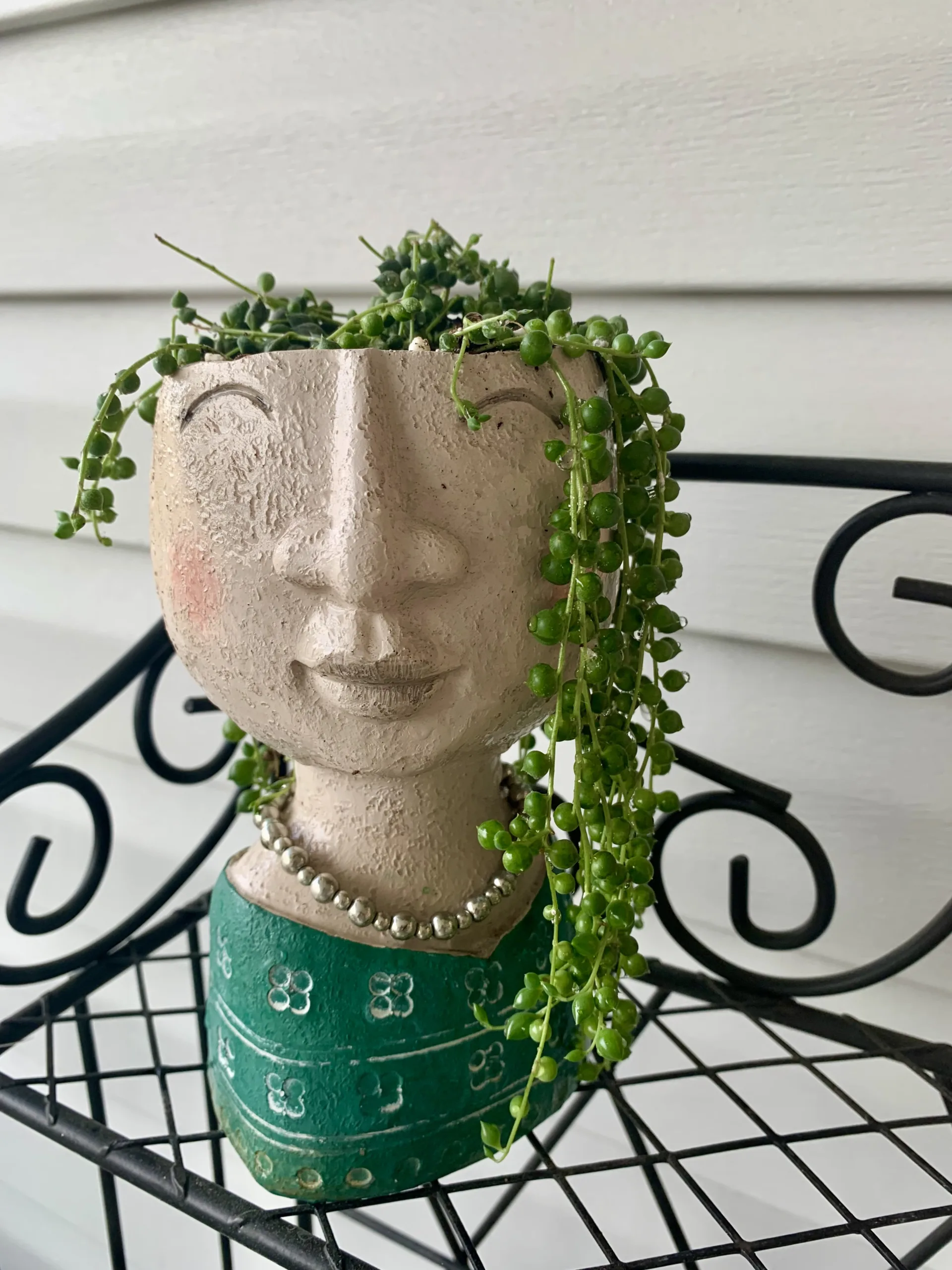
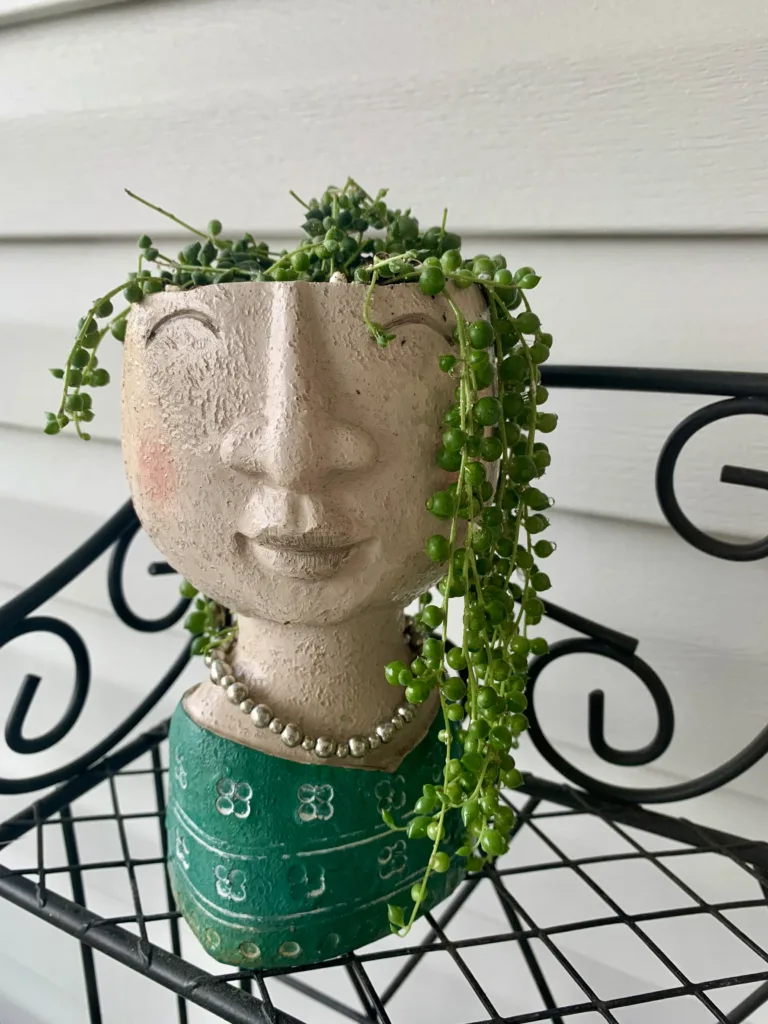
My string of pearls in one of my favorite pot head planters!

Introducing the String of Pearls Plant – its character and beauty has been known for centuries. Also known as Senecio rowleyanus, is an evergreen perennial succulent vine native to South Africa. Its most recognizable feature is its small round leaves that resemble pearls cascading from a string-like stem. This exotic beauty can be used to make an eye-catching addition to your home décor.

The plant is quite easy to maintain and can thrive in almost any environment. It needs very little water and does not require sunlight to survive, making it an ideal indoor plant for those who don’t have a lot of natural light. The plant should be given occasional watering with well-draining soil and kept out of direct sunlight.

It is also known for its ability to purify the air around it, helping to reduce pollution levels in the home. The plant’s foliage helps to absorb toxins from the environment, eliminating indoor pollutants such as formaldehyde, benzene, and xylene.

This attractive vine is available in a variety of colors and sizes, making it easy to find the perfect one to fit your décor. Whether you choose to hang it or place it on an armoire, the String of Pearls plant will add an exotic touch to any room. With its unique character and beauty, this plant is sure to draw attention from all those who see it. So why not bring the String of Pearls plant into your home and enjoy its many benefits? You’ll be sure to love its charm!

Best Soil for String of Pearls

When potting a your plant, it’s important to make sure that you’re using the right kind of soil. The plant prefers well-draining and slightly acidic soil, so you may need to mix your own or buy pre-mixed succulent soil from your local garden center. When potting the plant, be sure to use a pot with plenty of drainage holes so that the water can escape easily.

Potting

When placing your plant in the pot, dig a hole slightly bigger than the root ball and place it in the center. Fill the remainder of the hole with soil and gently firm down around the base of the stem. Water lightly and then let the plant sit for a few days so that it can adjust to its new home. I have fallen in love with pot head planters, each succulent adds its own character! Any of these would be perfect – Aimbeey Resin head planter, Cute head planter or even the face head planters.

Tips on Watering a String of Pearls Plant

This plant is relatively low-maintenance and doesn’t require too much watering. However, it is important to make sure that you are providing the right amount of water for the plant. Generally speaking, it’s best to water your plant once every 10-14 days in summertime and less often in wintertime. Make sure to water down to the base of the plant and allow the soil to dry out between waterings. If you over-water your String of Pearls, it can cause root rot and other issues.

String of Pearls light requirement

When it comes to lighting conditions, a String of Pearls plant is quite forgiving. It can grow in low light or bright light, as long as the light isn’t too direct or harsh. To keep your plant happy and healthy, try to place it in a spot that gets indirect sunlight throughout the day. If you need to place your plant in a darker area, you can supplement its light with artificial grow lights.

How to Propagate String of Pearls

Propagating is a great way to add more plants to your home and create an impressive display. It’s quite easy to do, as the plant can easily be propagated from cuttings. To propagate your String of Pearls, simply take a few cuttings with at least one leaf node and remove the bottom leaves. Place the cuttings in a pot filled with well-draining soil and water them lightly. Your new plants should start to take root within a few weeks.

Common Mistakes When Growing & How to Avoid Them

When growing a String of Pearls plant, it’s important to avoid some common mistakes. Over-watering the plant may lead to root rot and other issues. Be sure to water lightly and only when the soil has dried out completely. Too much sunlight can cause the foliage to fade and burn, so make sure that you place the plant in a spot that gets indirect sunlight. Also, be sure to fertilize your String of Pearls every two weeks during the growing season. Although less often during the winter months. By avoiding these common mistakes and following our care tips, you’ll be able to grow a healthy and vibrant String of Pearls plant.

The String of Pearls is an interesting and easy-to-care-for plant that adds a unique touch to any home. By following our care tips and avoiding common mistakes, you’ll be able to grow a healthy and vibrant String of Pearls plant in no time. Whether you choose the traditional round-leaf variety or one with more pointed leaves. Your String of Pearls will look great in any space. So, why not give it a try and add some life to your home? You won’t regret it!

Please be sure to check out my Gardening Blog Post Page for more tips on all types of gardening. Including Seed Starting, Orchids, Water Gardening, Coldframe Gardening, Indoor Bulb Gardening, Hydroponics, Container Gardening, Mums, Herbs, African Violets, planting Bulbs, Flower Gardening, Vegetable and Fruit Gardening, Indoor Houseplants of all kinds, Cactus, Succulents, Hanging plants, Deer resistant plants and even Bird, Bee, Butterfly and Hummingbird Gardens!