Best Plants That Need No Light

Best Plants that need no light

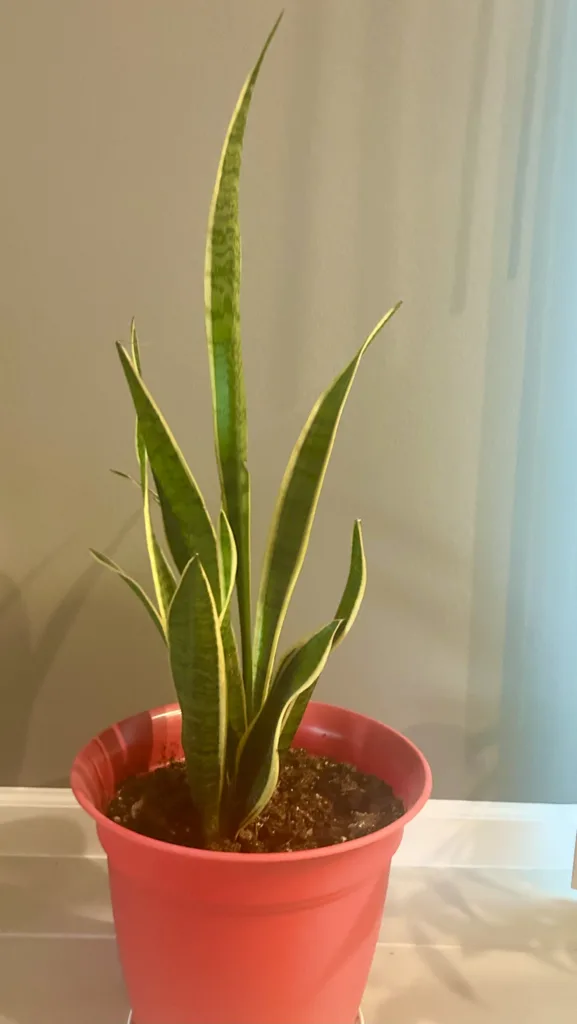
Snake Plant (Sansevieria trifasciata)

Pothos (Epipremnum aureum)

ZZ Plant (Zamioculcas zamiifolia)

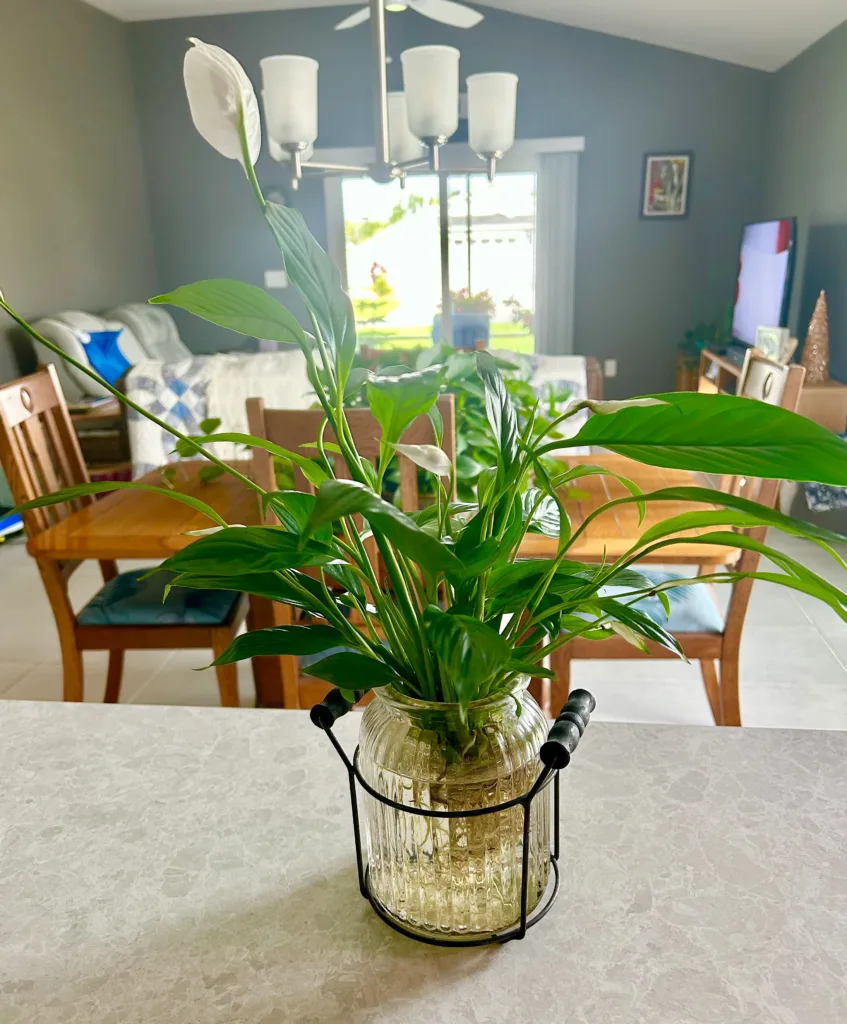
Peace Lily (Spathiphyllum)

Best Plants that Need No Light
Peace Plant

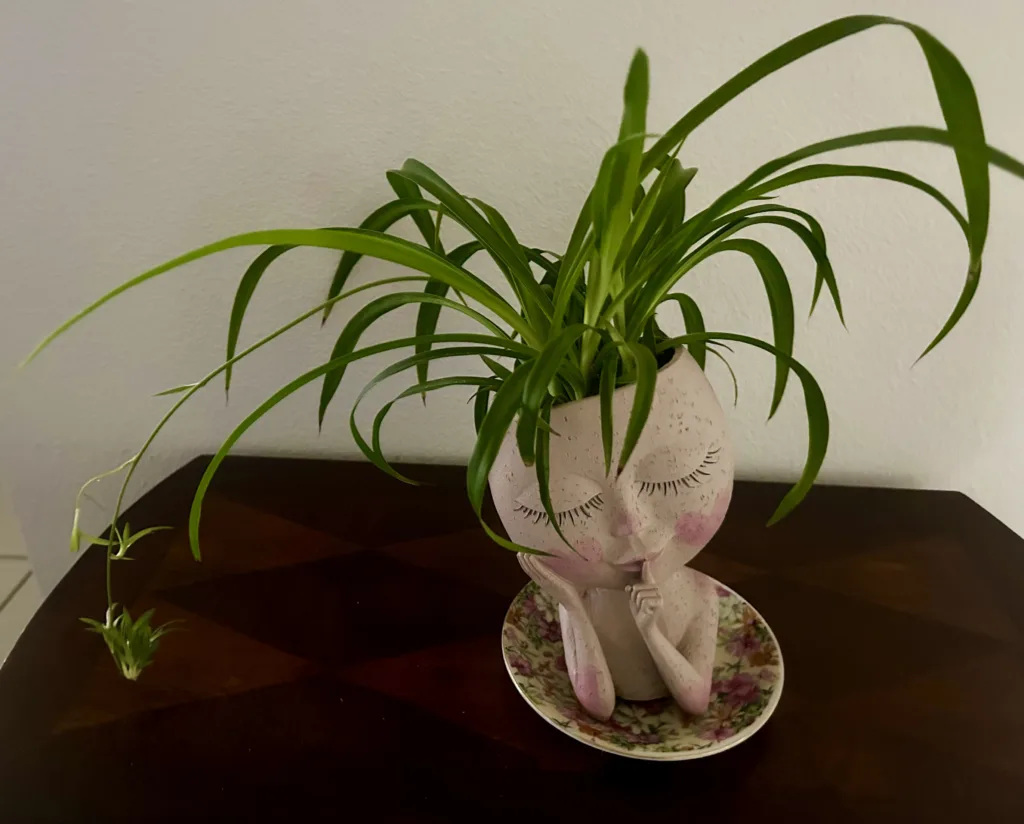
Spider Plant (Chlorophytum comosum)

best plants that need no light

Philodendron (Philodendron spp.)

Dieffenbachia (Dieffenbachia spp.)

Dracaena (Dracaena spp.)

Boston Fern (Nephrolepis exaltata)

Peperomia (Peperomia spp.)

Happy Gardening!

Petal Leaf Succulent

Petal leaf succulent, also known as echeveria, is a popular and delightful succulent that is grown for its beautiful foliage and low maintenance care. It is an ideal plant for both indoor and outdoor settings and is a great choice for gardeners who want to add a touch of sophistication to their plant collection. In this ultimate guide, we will discuss everything you need to know about growing and caring for petal leaf succulent, including the best pot type, soil type, light and water requirements, fertilizer type, and how to propagate. So, let’s get started!

Pot Type for the Echeveria

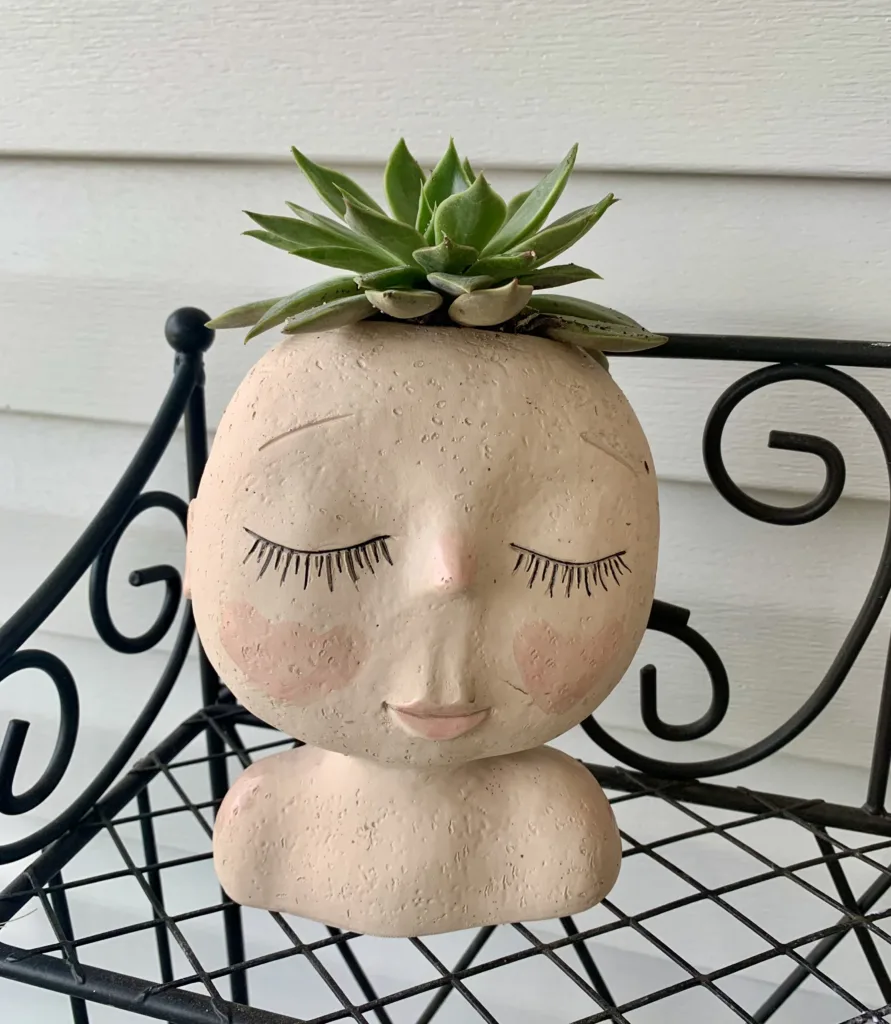
When it comes to selecting the perfect pot for your petal leaf succulent, size is key. It’s important to choose a pot that is slightly larger than the root system of your plant. This allows enough room for the plant to grow and develop healthy roots. Additionally, petal leaf succulent prefers a well-draining pot to ensure that its roots are not sitting in water. A terracotta pot is an ideal option as it allows air to circulate around the roots and keeps the soil from becoming waterlogged. I planted mine in a pot head planter because it’s just adorable!!

Succulent
Petal Leaf Succulent-Echeveria

Soil for Echeveria

The right soil mix is essential for healthy petal leaf succulent growth. A well-draining soil mix that is high in organic matter is ideal. You can create your soil mix by combining equal parts of peat moss, perlite, and potting soil. These ingredients provide the perfect balance of nutrients, moisture, and air circulation, which are necessary for your plant’s success.

Light and Water Requirements for Petal Leaf Succulent

Petal leaf requires bright, indirect sunlight for optimal growth. When grown indoors, place your plant near a south-facing window where it can get plenty of natural light but avoid direct sunlight as it can scorch the leaves. Additionally, water your plant only when the soil is completely dry to the touch. Overwatering can cause root rot, which can be harmful to your plant’s health.

Fertilizer Requirements

Fertilizer is not a necessity for echeveria, but if you want to give your plant an extra boost, you can use a balanced, water-soluble fertilizer. Feed your plant once a month during the growing season and reduce or stop feeding in the winter when the plant goes dormant. Be sure not to overfertilize your plant as it can damage the root system.

Propagating the Petal Leaf

Petal leaf succulent propagates quickly and easily through leaf or stem cuttings. To propagate using leaf cuttings, gently twist off a mature leaf from the plant and allow it to dry for a few days until the wound has calloused over. Once the leaf has calloused, plant it in a well-draining soil mix and mist it lightly every few days until the new plant has established roots and begins to grow.

Happy Gardening!

Growing and caring for petal leaf succulent can be an enjoyable and rewarding experience for gardeners of all levels. With proper care and attention, this stunning and versatile succulent will thrive and bring beauty to any indoor or outdoor setting. Remember to choose the right pot and soil type, provide the right amount of light and water, use a balanced fertilizer, and propagate using leaf or stem cuttings. Follow these tips, and you’ll have a healthy and thriving petal leaf succulent in no time.

Please be sure to check out my Gardening Blog Post Page for more tips on all types of gardening. Including Seed Saving, Seed Starting, Orchids, Water Gardening, Coldframe Gardening, Indoor Bulb Gardening, Hydroponics, Container Gardening, Mums, Herbs, African Violets, planting Bulbs, Flower Gardening, Vegetable and Fruit Gardening, Indoor Houseplants of all kinds, Cactus, Succulents, Hanging plants, Deer resistant plants and even Bird, Bee, Butterfly and Hummingbird Gardens!
Donkey Tail Succulent

Succulents are the perfect addition, they are low maintenance, adaptive to harsh environments, and come in an array of colors, sizes, and shapes. One variety that’s especially popular among gardeners is the donkey tail succulent. With its cascading, rope-like stems and adorable foliage, it’s a stunning plant that’s sure to catch anyone’s eye. But, how do you care for this unique succulent to ensure it grows healthy and strong? In this blog post, we’ll dive into the specifics of pot type, soil types, water requirements, light requirements, and how to propagate your donkey tail succulent.

Pot Type for Donkey Tail Succulent

When it comes to pot type, the donkey tail succulent needs a container that accommodates its unique cascading growth pattern. You’re going to want a pot that’s wide and shallow rather than one that’s tall and narrow; this will allow the plant to spread out and thrive. It’s also a good idea to make sure that the pot has proper drainage holes to prevent overwatering and root rot. I have recently started adding pot head pots to my collection and succulents look fantastic in these!

Best soil type

The right soil mix is critical in ensuring the health and growth of your plant. The donkey tail succulent requires a well-draining mix that’s formulated specifically for cacti and succulents. You can create a suitable mix by combining equal parts of regular potting soil, perlite, and coarse sand. This will help ensure that excess water doesn’t get trapped in the soil and that your succulent can absorb essential nutrients.

Water Requirements for Donkey Tail Succulent

One of the most important care tips for the donkey tail succulent is to avoid overwatering. A common mistake made with succulents is watering them too frequently, which can lead to root rot. Instead, allow the soil to become completely dry before watering again. Typically, you’ll need to water your donkey tail succulent once every two weeks. When watering, it’s best to use a watering can with a narrow spout and water the soil rather than the foliage.

Light Requirements for Donkey Tail

Donkey tail succulents are sun-loving plants that require plenty of bright, indirect sunlight to thrive. Make sure to place your plant near a window that receives direct sunlight for at least a few hours a day. If you notice that the leaves are turning yellow or brown, this could be a sign that your plant is getting too much direct sunlight. You can also supplement light with LED grow lights if need be.

How to Propagate Donkey Tail Succulent

Propagating your donkey tail is a fantastic way to add more plants to your collection. The easiest way to propagate this plant is through stem cuttings. To do this, find a stem with a few sets of healthy leaves and cut it with a sharp, clean-cutting tool. I like to wipe my knife down with alcohol and let it air dry before using it. Allow the cutting to dry out for a few days before planting it in a well-draining cactus mix. Keep the soil slightly moist and place the cutting in a location with plenty of indirect sunlight. Within a few weeks, you should notice that the cutting has taken root and has begun to grow.

Happy Gardening!

Donkey tail succulents are mesmerizing plants that can add both height and texture to your plant collection. By following the tips and tricks mentioned above, you can help ensure your donkey tail succulent stays healthy and happy. Remember to use the proper soil mix, avoid overwatering, give it plenty of bright indirect sunlight, and propagate as desired. With a little bit of TLC, your donkey tail succulent can thrive for years to come.

Please be sure to check out my Gardening Blog Post Page for more tips on all types of gardening. Including Seed Saving, Seed Starting, Orchids, Water Gardening, Coldframe Gardening, Indoor Bulb Gardening, Hydroponics, Container Gardening, Mums, Herbs, African Violets, planting Bulbs, Flower Gardening, Vegetable and Fruit Gardening, Indoor Houseplants of all kinds, Cactus, Succulents, Hanging plants, Deer resistant plants and even Bird, Bee, Butterfly and Hummingbird Gardens!

Anacampseros

If you’re a succulent enthusiast, you’ve probably heard of Anacampseros also known as the Sunrise Succulent. This beautiful plant with pink and green leaves that change color depending on the amount of sunlight it receives, is an excellent addition to any succulent collection. It’s not only beautiful, but it’s also easy to care for, making it perfect for beginner gardeners. In this ultimate guide, you’ll learn how to grow Anacampseros Succulent, including pot type, soil type, water requirements, light requirements, fertilizer, and how to propagate this lovely plant.

Pot Type

When it comes to growing Anacampseros or Sunrise Succulent, the pot type is essential. A small pot with good drainage is perfect for this plant. Terra-cotta pots are a great choice as they allow for air circulation and prevent moisture buildup. Make sure the pot has a drainage hole to prevent waterlogging, which can lead to root rot.

Soil Type for Sunrise Succulents

Anacampseros grows best in well-draining soil. A cactus or succulent mix is perfect for this plant. However, you can also make your own mix by mixing two parts potting soil and one-part sand or perlite. This mix ensures that the water drains quickly and does not leave the roots sitting in wet soil.

Water Requirements for Anacampseros Succulent

Like most succulents, the Sunrise Succulent does not require much water. Water the plant when the soil is completely dry, about once every two weeks. Make sure to soak the soil and let the water drain out of the pot. Avoid getting water on the leaves, as this can lead to rot.

Light Requirements for Anacampseros

Anacampseros prefers bright, indirect light. Direct sunlight can scorch the leaves, causing them to turn brown or yellow. Placing the plant near a south-facing window or under LED grow lights works best. If the leaves start turning pink, it’s a sign that the plant is receiving enough light. However, if the leaves start turning yellow or brown, it’s a sign that the plant is not receiving enough light.

Fertilizer for Sunrise Succulent

Anacampseros Succulent does not require much fertilizer. A balanced fertilizer, like a 10-10-10, can be used once a month during the growing season (spring and summer). Make sure to follow the instructions on the package and do not over-fertilize the plant as it can lead to burns.

Propagating Anacampseros

The best way to propagate the Sunrise Succulent is by taking stem or leaf cuttings. Make sure to let the cuttings dry out for a day or two before planting them in well-draining soil. Keep the soil slightly moist and out of direct sunlight until the roots have developed, usually in two to three weeks.

Happy Gardening!

Anacampseros or Sunrise Succulent is a beautiful and easy-to-care-for plant. With the right pot type, soil type, water requirements, light requirements, and fertilization, it’s a plant that thrives in any home. Additionally, propagating it is easy, meaning you can have several plants from one. It’s a great addition to your succulent collection, and with the help of this ultimate guide, you can grow it beautifully. Remember to give it all the care it needs, and you’ll enjoy having it in your home for years to come.

Please be sure to check out my Gardening Blog Post Page for more tips on all types of gardening. Including Seed Saving, Seed Starting, Orchids, Water Gardening, Coldframe Gardening, Indoor Bulb Gardening, Hydroponics, Container Gardening, Mums, Herbs, African Violets, planting Bulbs, Flower Gardening, Vegetable and Fruit Gardening, Indoor Houseplants of all kinds, Cactus, Succulents, Hanging plants, Deer resistant plants and even Bird, Bee, Butterfly and Hummingbird Gardens!

Haworthia Truncata

Haworthia Truncata is a succulent that has gained popularity among gardeners over the years. It is a unique plant that has a distinct appearance with its transparent leaves that form a rosette. Haworthia grows slowly and can live for many years making it a popular choice for indoor gardening. However, caring for this plant can be challenging for beginners. In this guide, we will discuss how to care for your Haworthia, including pot type, soil type, water requirements, light requirements, fertilizers, and how to propagate.

Best Pot types for Haworthia Truncata

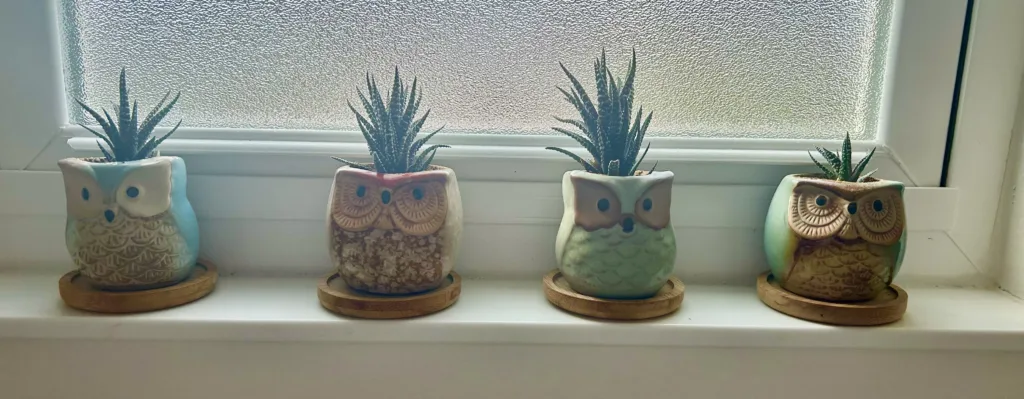
Haworthia Truncata requires a well-draining pot to avoid waterlogging which can lead to root rot. A terra cotta pot is an excellent choice as they are porous and allow air to flow to the roots, promoting healthy growth. Although any pot with drainage holes is ideal as long as it allows excess water to drain out. I love mine in my owl planters-so cute!!

Haworthia
Check out these Haworthia in my cute owl planters

Soil Type

The soil type for your Haworthia Truncata should be well-draining. You can use a cactus mix or create your own soil mix using equal parts of perlite, sand, and potting soil. This will ensure that the roots do not sit in water for long periods, leading to root rot.

Water Requirements for Haworthia Truncata

Haworthia Truncata is a succulent and does not require frequent watering. Water your plant only when the soil is dry, and ensure that you do not overwater it. Overwatering can cause the plant to rot, so it is essential to allow the soil to dry out between waterings. Water deeply, allowing the water to soak into the soil, but ensure that you do not allow water to stand in the plant saucer.

Light Requirements for Haworthia Truncata

Haworthia Truncata thrives in bright, indirect light. They do not require direct sunlight as it can scorch their leaves. A west or south-facing window is ideal as it offers adequate light without exposing the plant to direct sunlight. During the winter months, you may need to supplement your plant’s light with LED grow lights to ensure it receives adequate light.

Fertilizer Needs

Haworthia does not require regular fertilization as it is a slow-growing plant. However, during the growing season, you can use a balanced fertilizer, diluted to half the recommended strength, once a month. Over-fertilizing can lead to overgrowth, causing the plant to lose its shape.

How to Propagate your Haworthia

Haworthia Truncata propagates by offsets that grow from the base of the plant. When these offsets grow big enough, you can gently remove them from the parent plant and plant them in a separate pot. Ensure that they are planted in well-draining soil, and keep them away from direct sunlight until they have rooted.

Happy Gardening!

In conclusion, Haworthia Truncata is a stunning plant that can add a touch of elegance to your indoor garden. With proper potting, soil mix, water requirements, light requirements, fertilization, and propagation techniques, you can enjoy this plant for many years. Remember, succulents like Haworthia Truncata are low-maintenance plants, so avoid the temptation to over-care for them. With good light and occasional watering, your Haworthia is sure to thrive.

Please be sure to check out my Gardening Blog Post Page for more tips on all types of gardening. Including Seed Saving, Seed Starting, Orchids, Water Gardening, Coldframe Gardening, Indoor Bulb Gardening, Hydroponics, Container Gardening, Mums, Herbs, African Violets, planting Bulbs, Flower Gardening, Vegetable and Fruit Gardening, Indoor Houseplants of all kinds, Cactus, Succulents, Hanging plants, Deer resistant plants and even Bird, Bee, Butterfly and Hummingbird Gardens!

Sedum Angelina

Sedum Angelina, also known as Stonecrop, is a sought-after succulent that belongs to the Crassulaceae family. This plant is native to Mexico and is popular for its foliage, which produces a lovely yellow-green color that becomes more vivid during the winter months. Aside from its beauty, it is easy to maintain, making it a perfect addition to your garden. In this blog post, we will go into detail about how to care for, pot type, soil type, water requirements, light requirements, and how to propagate your Angelina.

Best Pot Type for Sedum Angelina

When choosing a pot for Sedum Angelina, it is important to choose one that is spacious enough to accommodate its roots and has drainage holes at the bottom. The drainage holes ensure that water does not accumulate, leading to root rot. Shallow terra cotta pots are a great choice as the root system on the Angelina is very shallow.

Soil Type

Sedum Angelina thrives in well-draining soil. Use a mixture of succulent mix, pumice, and perlite to increase aeration, ensure maximum drainage, and improved soil structure. The mixture should have an equal ratio of the three, and you can add a bit of sand to the mix. The sand helps improve drainage.

Water Requirements for Sedum Angelina

Overwatering is the most common problem you might face with Sedum. It thrives in moderate to low water conditions and can tolerate dry spells. Water your plant once every two weeks during the growing season and once a month during the dormancy period. Ensure the soil is dry between watering.

Light Requirements

Sedum Angelina thrives in full sunlight and should receive at least six hours of direct sunlight every day. In low-light areas, the plant will grow, but the color may not be as vivid. If you don’t have the right window in your home then LED grow lights can help provide the UV light needed for this plant.

Propagating Angelina

Sedum Angelina is easy to propagate through cuttings. Cut off a section of the plant, preferably a stem; you can insert it in a well-draining potting mix that is slightly moist. Leave the cutting for a few days in a shaded area to prevent it from drying out. After a few days, expose it to indirect light and water it sparingly.

Happy Gardening!

Sedum Angelina is an easy-to-care-for succulent. It needs well-draining soil, moderate watering, and a good amount of sunlight to thrive. Propagation is easy and requires cuttings that can be inserted in a well-draining potting mix. Overall, growing Sedum Angelina can provide a vibrant addition to any garden. So next time you’re looking to add a plant to your garden, Sedum Angelina should be at the top of your list.

Please be sure to check out my Gardening Blog Post Page for more tips on all types of gardening. Including Seed Saving, Seed Starting, Orchids, Water Gardening, Coldframe Gardening, Indoor Bulb Gardening, Hydroponics, Container Gardening, Mums, Herbs, African Violets, planting Bulbs, Flower Gardening, Vegetable and Fruit Gardening, Indoor Houseplants of all kinds, Cactus, Succulents, Hanging plants, Deer resistant plants and even Bird, Bee, Butterfly and Hummingbird Gardens!

Euphorbia Ingens

Are you looking for an exotic and easy-to-care-for plant that adds a unique flavor to your garden? Then look no further than the striking Euphorbia Ingens! Native to South Africa, this succulent makes the perfect addition to any indoor or outdoor space. Its vibrant green stem with yellow leaves is sure to make all your guests swoon. But don’t be fooled by its beauty – this plant requires specific care for it to thrive. In this blog post, we’ll explore everything there is to know about making sure your Euphorbia gets just what it needs. From pot type and soil type through water requirements, fertilizer needs, and light requirements down to how even you can propagate new plants from these incredible succulents! Let’s get started on learning all we need to keep our Euphorbia thriving!

Pots for Euphorbia Ingens

Although Euphorbia Ingens are relatively low maintenance, they still need the right environment to thrive. As a succulent, your Euphorbia needs a pot that has good drainage and is also big enough for its root system to fit comfortably. The best pot type and size for this plant is 6-8 inches in diameter. This way, it has plenty of room to grow and the roots won’t be too cramped. As for pot type, a terracotta pot is best for most cacti or succulents, but they also grow well in a ceramic pot.

Soil Type for Euphorbia Ingens

Your Euphorbia Ingens needs soil that is well-draining, so a mix of two parts succulent/cactus potting soil to one-part sand works best. This mixture will help ensure the soil doesn’t become too waterlogged or dry out quickly. For optimal drainage, you could also add some pumice or perlite to your soil mix.

Water Requirements

When it comes to watering your Euphorbia Ingens, less is more. Just a few tablespoons of water every two weeks is all this plant needs. Too much water can cause root rot and leaf drop, so make sure to check the soil before watering. If it’s still damp from the last time you watered, your Euphorbia Ingens doesn’t need any more H2O!

Fertilizer Needs for Euphorbia Ingens

Euphorbia doesn’t need much fertilizer, but it won’t hurt to give your plant a boost occasionally with a diluted liquid fertilizer. A diluted 10-10-10 NPK (nitrogen, phosphorus and potassium) is best for this succulent. However, if you’re using a soil-based fertilizer, make sure it contains very little nitrogen – too much can cause leaf drop and root rot.

Light Requirements

Euphorbia Ingens needs bright light to thrive, but not direct sunlight. As with most succulents indirect sunlight is best for this plant. If you have your Euphorbia indoors, keep it near a south-facing window. LED grow lights can also be used to supplement light for indoor plants, especially during the winter months when sunlight is limited.

Propagation of Euphorbia Ingens

Propagating Euphorbia Ingens is relatively easy and can produce new plants in just a few weeks! All you need to do is cut off one of the stems of your Euphorbia Ingens and let it dry out for a few days. Then, put the stem in a pot with well-draining soil and water regularly. In no time at all, you’ll have a brand-new plant!

Happy gardening!

In conclusion, caring for Euphorbia is truly rewarding once you understand how it should be taken care of. From the potting to the water and fertilizer requirements to the light needs and learning about propagation, the Euphorbia Ingens can bring beautiful colors and unique characteristics to your garden. With proper care, this succulent will stay happy and healthy in your collection. All that’s left now is to go out and get yourself one – they won’t stay in stock forever. So don’t hesitate – to get your Euphorbia Ingens today and start enjoying its beauty in your collection!

Please be sure to check out my Gardening Blog Post Page for more tips on all types of gardening. Including Seed Saving, Seed Starting, Orchids, Water Gardening, Coldframe Gardening, Indoor Bulb Gardening, Hydroponics, Container Gardening, Mums, Herbs, African Violets, planting Bulbs, Flower Gardening, Vegetable and Fruit Gardening, Indoor Houseplants of all kinds, Cactus, Succulents, Hanging plants, Deer resistant plants and even Bird, Bee, Butterfly and Hummingbird Gardens!

Cotyledon Orbiculata

Are you looking for the perfect addition to your garden that’ll bring a touch of character and color? Then Cotyledon Orbiculata, commonly known as Pigs Ear, is the plant for you. This succulent can add interesting shapes and shades of greens and reds to any outside space or indoor area. We understand how intimidating these plants can be with all the details involved in taking care of them, so we’re here to provide helpful information on soil type, watering requirements, pot types, fertilizer advice, and when it’s best to prune or propagate this unique-looking shrub. So follow along or save this blog post if you need to help to care for those striking Cotyledon Orbiculata!

Pigs Ear Succulent

As a gardener, you know how important it is to have a variety of plants in your home garden. One plant that you may want to consider adding to your collection is Cotyledon Orbiculata. This succulent, also known as the Pig’s Ear Plant or Round-Leaved Navelwort, is native to South Africa and is a hardy plant that is easy to care for. Its striking, green leaves with red or brown edges add visual interest to your garden. So, if you’re looking for a unique plant to add to your garden that also has great health benefits, consider adding Cotyledon Orbiculata to your collection.

Water Requirements for Cotyledon Orbiculata

As a gardener, I know that water is one of the essential elements for any plant to thrive. Cotyledon Orbiculata, also known as the Pig’s Ear plant, is no exception. This South African succulent is a popular choice among garden enthusiasts because of its unique, fleshy leaves and ornamental appeal.

However, to ensure its optimal growth, it is crucial to provide the right amount of water. Overwatering can cause root rot and ultimately kill the plant, while underwatering can cause the leaves to dry out and wither. The key is to find the perfect balance. A well-draining soil mix and occasional deep watering during the growing season, followed by a period of drying out before the next watering, is ideal. With proper care, your Cotyledon Orbiculata will grow and develop into a stunning addition to any garden space.

Pot Type for Cotyledon Orbiculata

You may want to add this Pigs Ear to your patio garden. Selecting the right pot for your Cotyledon Orbiculata is crucial for its growth and care. Terra cotta pots are a popular choice because they allow for proper drainage and air circulation, preventing root rot and promoting healthy growth. However, glazed ceramic pots are also an option, adding a pop of color to your garden while still providing proper drainage.

When it comes to caring for your plant, it’s important to select a pot that is the right size for its current and future growth. Generally, you should select a pot with drainage holes in the bottom that is 1-2 times wider than the diameter of the root ball and 2-3 times taller than the height of the root ball. This will prevent the plant from becoming root-bound and stunting its growth. Overall, the key is to choose a pot that is both functional and aesthetically pleasing to ensure your Cotyledon Orbiculata thrives in your garden.

Soil Type for Cotyledon Orbiculata

As a gardener, finding the right soil type for your plants is crucial to their growth and health. When it comes to Cotyledon Orbiculata, the soil type that is best suited is well-draining succulent soil. This allows for proper water drainage and prevents the roots from sitting in standing water, which can lead to rotting. Additionally, adding in a mixture of sand and perlite can help improve soil drainage even further. With the right soil type, Cotyledon Orbiculata can thrive in your garden and add a stunning pop of color to your space.

Fertilizing Tips to Keep Your Cotyledon Orbiculata Looking Its Best

Cotyledon Orbiculata, also known as Pig’s Ear, is a succulent plant that can add a pop of green to any room. However, to maintain its beauty, fertilizing is crucial. As a gardener, I recommend using a low-nitrogen fertilizer during the growing months of spring and summer. Applying the fertilizer sparingly every two weeks will provide the necessary nutrients without overwhelming the plant. Remember to use well-draining soil and not to overwater, as this can damage the roots. By following these fertilizing tips, your Cotyledon Orbiculata will continue to thrive and make a statement in any space.

Light Requirements for Cotyledon Orbiculata

Cotyledon Orbiculata, otherwise known as Pigs Ear, is a succulent that has become increasingly popular with both gardeners and home decorators alike. This plant requires plenty of sunlight to thrive, with 6-8 hours being optimal. Direct sun should be avoided; instead, provide your Cotyledon Orbiculata with bright, indirect light for best results. If growing indoors, try to find a spot near a south-facing window that receives plenty of natural light throughout the day. With the right of sunlight and proper care, your plant will continue to flourish and be a stunning addition to any garden space.

If you don’t have enough natureal light, using a grow light is an excellent way to provide your plant with the necessary light for growth. LED lights are often the best option due to their long lifespan and low energy consumption. When selecting a grow light, it’s important to consider how powerful of a light you need. For example, the ones meant for succulents might not be strong enough to provide your Cotyledon Orbiculata with the necessary light. It is also important to ensure that your plant receives 12-14 hours of light each day, to keep it healthy and vibrant. By using grow lights and following a proper care routine, you can enjoy your Cotyledon Orbiculata indoors for years to come.

Pruning the Cotyledon Orbiculata for Maximum Growth and Health

As a gardener, it’s important to understand the benefits of pruning your plants for their maximum growth and health. When it comes to the Cotyledon Orbiculata, there are a few key tips to keep in mind. First, make sure to prune any dead or diseased leaves as soon as possible to prevent the spread of infection. Additionally, removing any branches that are crossing or rubbing against each other will help prevent damage and promote healthier growth. Remember, pruning doesn’t have to mean removing large sections of the plant. By removing small amounts at a time, you can encourage fuller growth and a stronger overall structure.

How to Propagate Cotyledon Orbiculata

If you’re looking to add more Cotyledon Orbiculata plants to your garden, propagation is the perfect way to do so. The process involves taking a cutting and allowing it time to take root in soil or water before being transplanted into a pot of its own. To start, select stems that are healthy, green, and easy to manipulate.

Make sure the cutting is at least 2-4 inches long and contains a few leaves at the top. Place the cutting in a propagation station to start in water, once you see roots let them grow to about an inch long and then pot in soil. Or dip cutting in rooting powder then pot in damp potting soil, and make sure there’s good drainage to prevent root rot. Your new plant should take root within 4-6 weeks, so keep an eye on it and ensure that it’s getting the necessary sunlight, water, and fertilizer for optimal growth.

Happy Gardening!

To conclude, Cotyledon Orbiculata, also referred to as ‘pig’s ear’, is a colorful and versatile plant that adds texture and foliage to any garden. With proper care, it can be grown outdoors or indoors, in a pot or in the ground. It requires minimal water, well-drained soil (depending on how much water you use), and occasional fertilizer.

Pruning correctly will promote growth and its lifespan is extended when plants are regularly pampered with compost for healthy new development. Growing Cotyledon Orbiculata in your home garden is not only visually pleasing but goes great with other plants such as succulents, herbs, and flowers to create an impressive display. All of this makes it an excellent choice for the beginner gardening enthusiast or green thumb guru. So why don’t you go ahead and add this unique Pigs Ear plant to your ever-growing collection today?

Please be sure to check out my Gardening Blog Post Page for more tips on all types of gardening. Including Seed Saving, Seed Starting, Orchids, Water Gardening, Coldframe Gardening, Indoor Bulb Gardening, Hydroponics, Container Gardening, Mums, Herbs, African Violets, planting Bulbs, Flower Gardening, Vegetable and Fruit Gardening, Indoor Houseplants of all kinds, Cactus, Succulents, Hanging plants, Deer resistant plants and even Bird, Bee, Butterfly and Hummingbird Gardens!

Care for Hindu Rope Plant

If you’re looking for a unique and interesting succulent to add to your garden, consider the Hoya Hindu Rope! Not only is this hanging plant highly aesthetically pleasing. It boast long exotic leaf tendrils that cascade downward, but it also requires little maintenance. With proper watering every few weeks and indirect sunshine you’ll have a lush new addition perfect for accentuating any area of your garden environment. Additionally, the Hoya Hindu Rope is great for pruning if you desire an unusual topiary shape! Hope you enjoy my post on how to care for hindu rope plant. From pot to soil, watering, light needs and even how to propagate.

Hindu Rope

Hoya Hindu Rope is a popular indoor plant known for its unique waxy and twisted foliage. Also called Hoya carnosa compacta, it features small, dark green leaves that grow tightly together to form a thick, rope-like vine. This plant is native to Southeast Asia and is relatively easy to care for. Making it a popular choice among houseplant enthusiasts. As a succulent, the Hindu Rope enjoys bright, indirect light and soil that drains well. Watering should be done sparingly, allowing the soil to dry out entirely between watering sessions. With proper care, the Hoya Hindu Rope can thrive for years. And it provides an eye-catching addition to any home or office.

Soil Requirements

The Hoya Hindu Rope prefers potting soil that is well-draining and slightly acidic. A mix of equal parts perlite, peat moss, and compost provides the perfect balance for this succulent. Succulent or Cactus potting soil is a great alternative if you don’t want to mix your own potting soil.

Light for the Hoya

The Hoya Hindu Rope prefers bright, indirect light for optimal growth. Place your Hindu Rope in an east- or west-facing window where it will receive several hours of indirect sunlight each day. Avoid direct sunlight, as this can cause the foliage to burn and become discolored. For best results, keep the plant out of draughts and away from radiators or other heat sources.

Although the Hoya Hindu Rope thrives in indirect sunlight, it will also do well with artificial grow lights. Set up an LED light in a nearby spot and aim it at your plant’s foliage for several hours each day. Make sure the light is kept at least 24 inches away from the foliage to prevent burning or discoloration.

Pot for your Hoya

The Hoya Hindu Rope is a great choice for hanging baskets or wall planters. With it’s long, cascading foliage that looks stunning when displayed this way. Alternatively, you can opt for a pot with bottom drainage holes to help prevent root rot. Be sure to choose one that’s slightly larger than the one your Hindu Rope came in, as it will need room to grow and flourish.

Repotting your Rope Plant

The Hoya Hindu Rope is a fast-growing succulent and should be repotted every year to ensure that it has enough space to grow. Be sure to choose a pot with drainage holes so that excess water can escape and the soil does not become waterlogged. To repot, gently remove the Hindu Rope from its current container and place it in a new pot filled with fresh, well-draining soil.

Watering your Hindu Rope Plant

As with all succulents, it is important to water the Hoya Hindu Rope sparingly. Over-watering can quickly lead to root rot and other issues. Allow the soil to dry out completely between waterings, then give your plant a thorough soak until excess water begins to drain from the bottom of the pot. Try not to get the foliage wet while watering, as this can cause fungal growth.

Fertilizer

Although the Hoya Hindu Rope is not a heavy feeder, it will benefit from periodic fertilization during spring and summer. Choose an organic fertilizer that’s specifically formulated for succulents and cacti, or opt for a balanced liquid plant food with low nitrogen levels. Apply according to package instructions and avoid over-fertilizing, as this can cause the foliage to become burned or discolored.

Common Pests and Diseases to Look Out For

Although the Hoya Hindu Rope is relatively easy to care for, it can still be vulnerable to pests and diseases. Common culprits include mealybugs, aphids, mites, and scale insects. If you notice these pests on your plant’s foliage, treat them with an approved insecticidal soap or neem oil. Fungal diseases, such as powdery mildew and stem rot, can also be an issue if the plant is overwatered or kept in too damp an environment. To prevent these issues, always allow the soil to dry out completely between waterings and avoid placing your Hindu Rope in overly humid areas.

How to Propagate the Hindu Rope Plant

The Hoya Hindu Rope is relatively easy to propagate. To start, use a pair of clean scissors or garden shears to snip off a stem from your existing plant. Trim away any foliage that’s too close to the cut end and then place the cutting in a jar of water or propagation station, making sure that it’s fully submerged. Change the water every few days to keep it fresh and free of bacteria. After a few weeks, you should see roots begin to form on the cutting. Once they’re several inches long, you can transplant your new Hindu Rope into the soil. Be sure to use a well-draining potting mix, as succulents do not like to be waterlogged. Provide your new plant with bright, indirect light and water sparingly, as you would the mother plant. With proper care, your new Hindu Rope should begin to grow and thrive!

Happy Gardening!

The Hoya Hindu Rope is a unique houseplant with interesting characteristics. Although the care requirements may be slightly more involved than other common houseplants, it can still thrive indoors with proper knowledge of light requirements and watering schedules, as well as keeping an eye on potential pests and diseases. Propagation ensures that you not only get to keep your prized possession for longer but also enjoy the gracious pleasure of creating something even more beautiful from a special plant. If you have been considering this plant as part of your home’s greenery collection, don’t delay – get the hoya rope plant today and start appreciating its beauty in all its many forms!

Please be sure to check out my Gardening Blog Post Page for more tips on all types of gardening. Including Seed Starting, Orchids, Water Gardening, Coldframe Gardening, Indoor Bulb Gardening, Hydroponics, Container Gardening, Mums, Herbs, African Violets, planting Bulbs, Flower Gardening, Vegetable and Fruit Gardening, Indoor Houseplants of all kinds, Cactus, Succulents, Hanging plants, Deer resistant plants and even Bird, Bee, Butterfly and Hummingbird Gardens!

Cotyledon Pendens

Are you considering adding Cotyledon Pendens also known as Cliff Cotyledon to your succulent collection? If so, chances are you have many questions about the best soil type, light requirements, and essential care kit for this species of succulent. Cotyledon pendens is a distinctive trailing potted plant that produces bright red flowers and requires specific conditions to thrive. This blog post will provide an overview of cotyledon pendens, discuss how to grow and care for it properly. Educate on the right potting types and soil varieties needed to keep your plants healthy as well as identify any possible pests it might attract. Finally note its propagation rules –including step by step instructions– based on extensive research gathered through both expert growers’ experience and scientific studies. Get ready to discover inspiring ways to enjoy this gorgeous succulent and provide it with a suitable environment that guarantees it’s thriving!

Cotyledon Pendens, also known as Cliff Cotyledon, is a popular multi-branching succulent with teardrop leaves and beautiful red flowers. This succulent variety is easy to care for and can be grown in various pot types, including terracotta and ceramic. Cotyledon requires well-draining soil and needs plenty of sunlight with six to eight hours of direct sun rays per day. Taking proper care of the plant will give it the best chance to thrive indoors without becoming vulnerable to pests or diseases. Propagation is done through stem cuttings which can be inserted back into the same pot or replanted to start a new plant. All in all, Cotylend Pendens makes for an excellent addition to any living space for its ease of care and eye-catching appeal.

Types of Pots for Cotyledon Pendens

When it comes to growing Cotyledon Pendens, the type of pot you use can have an important effect on the success of your succulent. While it’s true that many pots are suitable for these particular succulents. Some types are more ideal than others. A porous material, like clay or terracotta, is best as it allows the soil to dry out quickly. Although a hanging plastic pot works great too and will show off the trailing vines. It is important to prevent over-watering and root rot.

Additionally, shallow terracotta pots are also great as they provide enough space for the Cotyledon Pendens root system. If you’re looking for a low-maintenance potting option, a wider ceramic container with a drainage hole can work well. Lately I have added the pot head planters to my succulent collection and this goddess planter would be great for this trailing succulent. As you pick out a pot for your prized plant, make sure it will allow your Cotyledon Pendens to flourish in its new environment!

Soil Type and Fertilizer Requirements for Cotyledon Pendens

When it comes to caring for Cotyledon Pendens, a species of succulent with common name of Cliff Cotyledon, appropriate soil type, and fertilizer are essential. This beauty should be planted in well-draining succulent soil. Also preferable is that it is amended with plenty of perlite or sand to ensure the soil is porous enough for adequate drainage. Fertilizing this hardy succulent should be done very lightly in spring and summer using a balanced half-strength solution when watering. As Cotyledon Pendens originates from parts of Southern Africa more prone to drought than plenty of rain. Consider holding off on fertilizing during months of decreased rainfall like fall and winter, as heavy fertilizing could damage its root system.

Light Requirements for Optimal Growth of Cotyledon Pendens

Cotyledon pendens, also known as Cliff Cotyledon, is a succulent native to South Africa. This delightfully easy-to-care-for plant benefits from a natural overhead light or bright indirect light to thrive. For optimal growth, they should receive bright but diffused sunlight for at least four hours per day from nearby windows. However, beware of too much direct sunlight, as this can cause the leaves to become crispy and brown.

Grow lights are a great way to provide Cotyledon Pendens with the light they need for optimal growth. LED grow lights are best as they allow you to customize the light exposure for your succulent’s needs. When positioning the grow light, it should be about 10-12 inches above the plant. This can be adjusted as needed when you start to see signs of too much or too little light. Depending on how your succulent responds, grow lights should be used for 10 to 12 hours per day. As always, monitor your plant closely and adjust accordingly!

Protecting your Plant from Pests and Dealing with Potential Problems

The Cotyledon Pendens, commonly known as Cliff Cotyledon, is a striking succulent that grows in rocky crevices and cracks. While relatively easy to grow and care for, it can be susceptible to some pests if not properly prepared for it. In terms of pest control, inspect your plants regularly for mealybugs or spider mites. If found use a cotton swab or cotton ball dipped in rubbing alcohol or neem oil on the affected area. To help prevent any further issues consider pruning your cliff cotyledon plants. You can use the stems you prune to propagate new plants! Taking preventive steps like these can ensure that your cliff cotyledons stay healthy, happy, and thriving!

Cotyledon Pendens Propagation

Pruning Cotyledon Pendens is a great way to propagate this beautiful succulent. While its slow-growing nature makes it relatively easy to take care of, when propagated correctly it can still be quite intricate. To successfully divide up the plant, first, check for any offsets. Small shoots that have grown from the original without needing tending – and gently remove them with a sharp knife. These offsets can then be planted in new containers filled with succulent potting soil. Then placed in bright light but away from direct exposure to the sun. With proper care and attention, these newly formed plants will soon develop into healthy new specimens of Cotyledon Pendens also known as Cliff Cotyledon!

Happy Gardening!

In conclusion, Cotyledon Pendens is a popular houseplant that is easy to grow and care for with some basic information. So why not add a Cotyledon Pendens to your collection today? With proper guidance, care, and love, this beautiful succulent can be enjoyed by everybody at home easily and hassle-free.

Please be sure to check out my Gardening Blog Post Page for more tips on all types of gardening. Including Seed Starting, Orchids, Water Gardening, Coldframe Gardening, Indoor Bulb Gardening, Hydroponics, Container Gardening, Mums, Herbs, African Violets, planting Bulbs, Flower Gardening, Vegetable and Fruit Gardening, Indoor Houseplants of all kinds, Cactus, Succulents, Hanging plants, Deer resistant plants and even Bird, Bee, Butterfly and Hummingbird Gardens!