
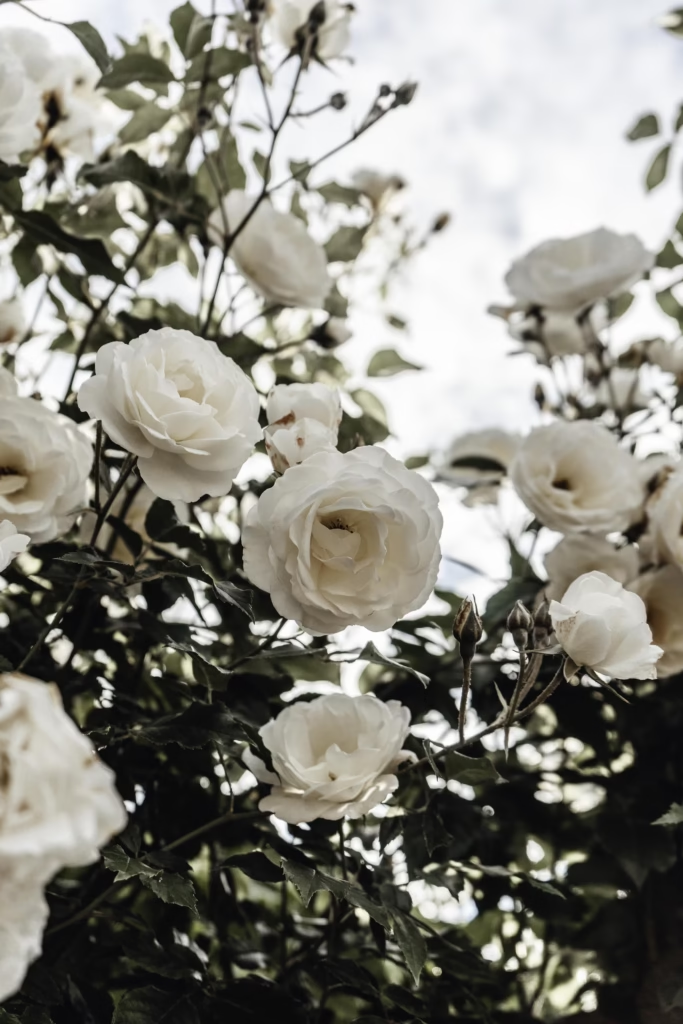
Many gardeners believe roses need full sun to thrive, but some varieties actually grow well in shaded spots. If you have a garden area with dappled sunlight or morning sun and afternoon shade, you can still enjoy the beauty of roses. In this guide, you will learn which roses grow best in shade, how to plant them, and how to care for them. We will also cover pests, how to treat problems, and how to propagate and overwinter shaded roses.
What Roses Grow in Shade?
While roses love sun, several types adapt beautifully to shade. Shrub roses, English roses, and old garden roses perform well in less light. Varieties like ‘Zephirine Drouhin‘, a thornless climbing rose, bloom even in partial shade. ‘Iceberg‘ floribunda roses also tolerate some shade and still produce masses of white blooms.
Other great options include ‘New Dawn‘ climbing rose, and ‘Buff Beauty’ hybrid musk rose. Look for roses labeled as hardy, disease-resistant, and shade-tolerant when choosing for your garden. Most roses that thrive in shade still need at least four hours of sun, preferably morning sunlight, to bloom well.
How to Plant Roses in Shade
Choosing the right spot makes a big difference when planting roses in shade. Pick a location that gets morning sun, because morning light dries dew from the leaves and helps prevent disease. If your shaded spot is near trees, make sure roots from the trees do not compete too much with the roses for water and nutrients.
When planting, dig a hole twice as wide and just as deep as the rose’s root ball. Break up the soil at the bottom of the hole to help roots grow easily. Set the rose in the hole so the bud union (the swollen part where the rose was grafted) sits at ground level in mild climates or two inches below ground in colder zones. Fill the hole with soil, gently firm it around the roots, and water deeply.
Best Soil for Shaded Roses
Good soil helps shaded roses grow strong and healthy. Roses prefer rich, loamy soil that drains well but holds some moisture. If your soil feels heavy and sticky, mix in compost, aged manure, or coarse sand to loosen it. For sandy soil, add compost and organic matter to improve moisture retention.
Aim for a soil pH between 6.0 and 6.5. You can test your soil with this small soil meter. If needed, adjust the pH by adding lime to raise it or sulfur to lower it. Always prepare the soil before planting to give your roses the best start.
Watering Roses in Shade
Even in shade, roses need consistent water. Shaded roses often use less water than those in full sun, but they still require about one inch of water per week. Water at the base of the plant to keep the foliage dry and prevent disease.
Use a soaker hose or drip irrigation system for the best results. If you water by hand, do it early in the day so the leaves dry quickly. During hot, dry spells, check the soil regularly. If the top two inches of soil feel dry, it’s time to water deeply.
Fertilizing Shaded Roses
Shaded roses need the right nutrients to grow and bloom. Start by mixing compost into the soil at planting time. In early spring, feed your roses with a balanced fertilizer like 10-10-10 or a special rose fertilizer.
Apply fertilizer when you see new growth, and again after the first flush of blooms. Always water the soil well before and after fertilizing to avoid burning the roots. In late summer, stop fertilizing so the roses can slow down and prepare for winter.
How to Propagate Shaded Roses
You can easily propagate your shaded roses to grow new plants. The most common method is taking stem cuttings. In late spring or early summer, cut a healthy, non-flowering stem about six inches long. Remove the lower leaves, leaving two or three at the top.
Dip the cut end into rooting hormone powder, then plant it in a pot filled with a mixture of potting soil and perlite. Cover the pot with a plastic bag to create a mini greenhouse and keep it in a bright but shaded spot. Water when the top layer of soil feels dry. After a few weeks, roots should develop. Once the roots grow strong, transplant the new rose into your garden.
Overwintering Shaded Roses
Winter care helps your shaded roses survive and bloom again the following year. In late fall, after the first frost, cut the stems back to about 18 inches. Remove any dead or damaged wood at the same time.
Pile mulch, compost, or shredded leaves about 8 to 12 inches high around the base of the plant. In very cold areas, you can also cover the plant with a rose cone or burlap for extra protection. When spring arrives and the ground thaws, remove the extra mulch and prune lightly to encourage new growth.
Common Pests on Shaded Roses and How to Treat Them
Even shaded roses can attract pests. Common problems include aphids, spider mites, and rose slugs. Aphids suck sap from new growth, causing leaves to curl. You can treat aphids by spraying the plants with a strong blast of water or applying insecticidal soap.
Spider mites thrive in dry conditions and cause tiny speckled leaves. To prevent them, keep plants well-watered and spray the leaves occasionally with water to increase humidity. If needed, use a miticide labeled safe for roses.
Rose slugs, which are actually the larvae of sawflies, chew holes in the leaves. Handpick them off if you see them or spray with a neem oil solution. Regular monitoring and early action keep pest problems under control.
Preventing Diseases in Shaded Roses
Shaded roses face a higher risk of fungal diseases like black spot, powdery mildew, and rust. Proper care helps prevent these problems. Always space roses far enough apart to allow good air circulation. Water at the base of the plants, not overhead, to keep leaves dry.
You can also use an organic fungicide, like a sulfur-based spray, every few weeks during the growing season. Remove and discard any infected leaves promptly to stop the spread. Choose disease-resistant varieties whenever possible for easier care.
Final Thoughts on Growing Roses in Shade
Growing shaded roses may seem tricky, but with the right choices and care, you can enjoy gorgeous blooms even in less sunny spots. Start with varieties known for shade tolerance, prepare the soil well, and water and fertilize correctly. Watch for pests and diseases early and treat them fast to keep your plants healthy.
With some simple steps, your shaded roses will reward you with beautiful flowers year after year. Even a few hours of morning sun, combined with proper planting and care, create the perfect conditions for these stunning plants to thrive.
Please be sure to check out my Gardening Blog Post Page for more tips on all types of gardening. Including Seed Saving, Seed Starting, Orchids, Water Gardening, Coldframe Gardening, Indoor Bulb Gardening, Hydroponics, Container Gardening, Mums, Herbs, African Violets, planting Bulbs, Flower Gardening, Vegetable and Fruit Gardening, Indoor Houseplants of all kinds, Cactus, Succulents, Hanging plants, Deer resistant plants and even Bird, Bee, Butterfly and Hummingbird Gardens!