
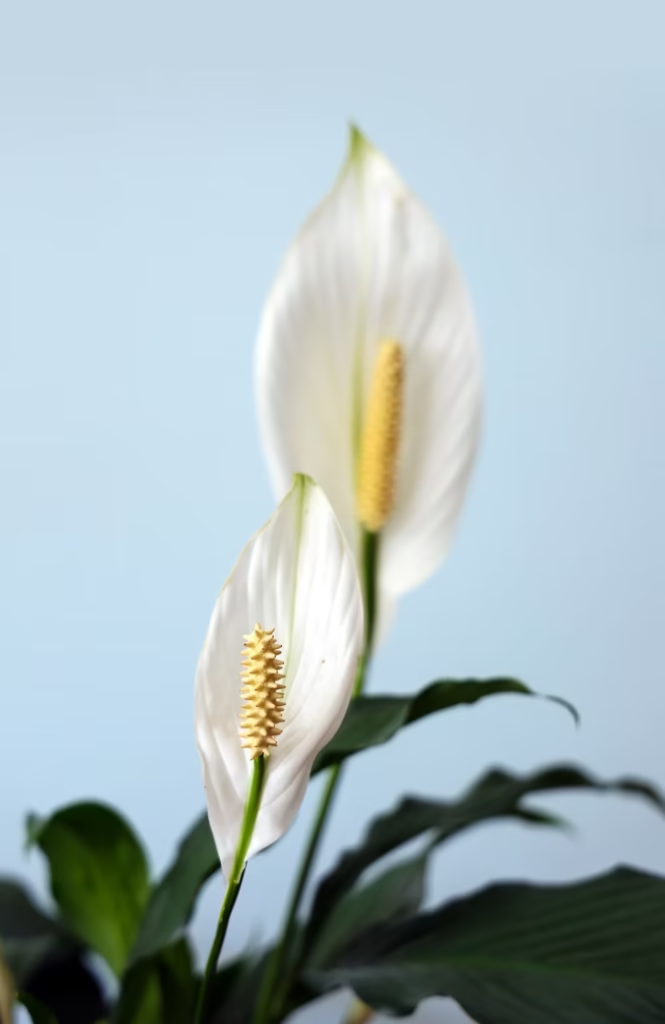
Peace lilies are among the most popular indoor plants because they thrive in low light and improve air quality while adding natural beauty to any room. However, like all potted plants, they eventually outgrow their containers and need fresh soil to stay healthy. Repotting your peace lily at the right time ensures strong growth, vibrant leaves, and consistent blooms. In this guide, you will learn exactly when and how to repot a peace lily, along with the best soil, pots, and care tips to keep your plant thriving.
Why Repotting a Peace Lily Matters
Repotting is essential for peace lilies because their roots expand quickly and can become crowded in a small container. When roots circle the bottom of the pot, the plant struggles to absorb water and nutrients. This leads to yellowing leaves, drooping stems, or fewer flowers. By repotting into a larger pot with fresh soil, you give your peace lily more space, improved drainage, and access to new nutrients. As a result, the plant grows stronger and produces more vibrant green leaves and white blooms.
When to Repot a Peace Lily
The best time to repot a peace lily is in spring or early summer when the plant enters its active growing season. During this time, the roots adjust quickly, and the plant recovers faster. You should repot if you notice roots pushing out of the drainage holes, the soil drying out too quickly, or leaves drooping even after watering. Peace lilies generally need repotting every 1 to 2 years, depending on how fast they grow.
Choosing the Right Pot
Selecting the proper pot is the first step toward successful repotting. Peace lilies prefer pots that are only slightly larger than their root ball. A pot that is too big can hold excess water, which may lead to root rot. Ideally, choose a container that is 1 to 2 inches wider in diameter than the current pot. Terra cotta and ceramic pots with drainage holes work best because they allow airflow and prevent soggy soil. If you prefer decorative pots without drainage, place your peace lily in a plastic nursery pot first, then slip it inside the decorative container.
Preparing the Soil
Peace lilies need well-draining, nutrient-rich soil. A mix designed for houseplants works well, but you can also create your own blend. Combine equal parts peat moss or coco coir, perlite, and high-quality potting soil. This mix holds enough moisture without becoming compacted, which helps roots stay healthy. Adding a small amount of compost improves nutrient levels and supports steady growth. Avoid heavy garden soil, as it can suffocate roots and trap excess water.
How to Repot a Peace Lily
Repotting a peace lily is a simple process if you follow a few careful steps. Start by watering the plant a day before repotting to soften the soil and reduce stress on the roots. Then, gently tip the pot on its side and slide the plant out. If roots are tightly packed, loosen them with your fingers or trim any dead sections. Place fresh soil in the bottom of the new pot, set the plant in the center, and fill around the root ball with more soil. Press the soil lightly to remove air pockets but avoid packing it too tightly. Finally, water the plant thoroughly until excess water drains out.
Dividing Large Peace Lilies
If your peace lily has grown too large, repotting is also the perfect time to divide it into smaller plants. To divide, gently separate the root ball into sections, ensuring each division has healthy roots and several leaves. Plant each section in its own container with fresh soil. This not only prevents overcrowding but also gives you additional plants to keep or share.
Watering After Repotting
Peace lilies often go through a short adjustment period after repotting. During this time, keep the soil evenly moist but not soggy. Water thoroughly whenever the top inch of soil feels dry. It’s normal for leaves to droop slightly as the plant adjusts, but with proper watering, they should perk back up within a week. Avoid fertilizing immediately after repotting since fresh soil already provides nutrients. Wait at least six weeks before feeding again.
Fertilizing for Healthy Growth
Once your peace lily has settled into its new pot, you can encourage growth with regular feeding. Use a balanced, water-soluble houseplant fertilizer every 6 to 8 weeks during spring and summer. Dilute the fertilizer to half strength to avoid burning the roots. Reduce feeding in fall and winter when the plant’s growth slows down. A steady supply of nutrients helps produce glossy leaves and regular blooms.
Light and Placement After Repotting
After repotting, place your peace lily in a location with bright, indirect light. Direct sunlight can scorch the leaves, while too little light slows growth and reduces flowering. A spot near a north or east-facing window is ideal. If your peace lily starts producing pale leaves or stops blooming, it may need more light. Rotate the pot every few weeks to ensure even growth on all sides.
Common Problems After Repotting
It’s common for peace lilies to show minor stress after being repotted. You may notice yellowing leaves, drooping, or slower growth. Most of the time, this is temporary and improves within a couple of weeks. However, if the plant continues to struggle, check for overwatering, poor soil drainage, or a pot that is too large. Adjusting these factors usually restores the plant’s health.
Signs Your Peace Lily is Thriving
After a successful repotting, your peace lily will show clear signs of improvement. New leaves will appear bright green and upright, and the plant will produce fresh white blooms during the growing season. The soil will hold moisture without staying soggy, and roots will expand into the new space without becoming cramped. These changes confirm that your peace lily is healthy and thriving in its new pot.
Long-Term Peace Lily Care
To keep your peace lily healthy long after repotting, follow a consistent care routine. Keep the soil evenly moist, provide bright but indirect light, and feed regularly during the growing season. Wipe the leaves with a damp cloth every few weeks to remove dust and allow better photosynthesis. Peace lilies also benefit from higher humidity, so mist the leaves or place the pot on a tray with water and pebbles. With proper care, your peace lily can live for many years, bringing beauty and freshness to your home.
Final Thoughts
Repotting a peace lily may seem like a small task, but it has a huge impact on the health and beauty of your plant. By choosing the right pot, preparing well-draining soil, and repotting at the proper time, you set your peace lily up for long-lasting success. With consistent care after repotting, your plant will reward you with lush green foliage and graceful white blooms year after year.
Please be sure to check out my Gardening Blog Post Page for more tips on all types of gardening. Including Seed Saving, Seed Starting, Orchids, Water Gardening, Coldframe Gardening, Indoor Bulb Gardening, Hydroponics, Container Gardening, Mums, Herbs, African Violets, planting Bulbs, Flower Gardening, Vegetable and Fruit Gardening, Indoor Houseplants of all kinds, Bonsai, Cactus, Succulents, Hanging plants, Deer resistant plants and even Bird, Bee, Butterfly and Hummingbird Gardens!