
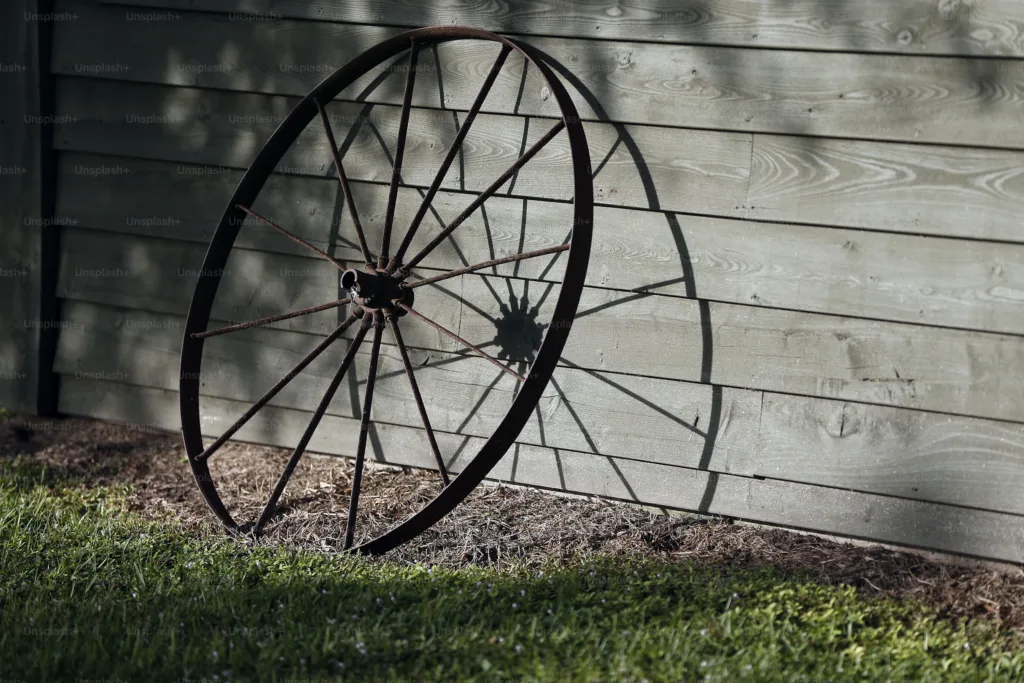
Creating an herb wheel in your garden is a beautiful and practical way to grow a variety of herbs in a compact space. An herb wheel is typically divided into sections, each dedicated to a different herb, allowing for easy access and maintenance. This post will walk you through the process of planting a wagon wheel herb garden, using an old wagon wheel or, if that’s not available, bricks or pavers.
Choosing the Right Materials
If you have an old wagon wheel, it can serve as a perfect frame for your herb wheel. The spokes of the wheel naturally divide the space into sections, making it easy to organize your herbs. If a wagon wheel is not available, I would use bricks or pavers to create a circular shape. Finally you can use additional bricks to create the spokes.
Determining the Best Size
The size of your herb wheel will depend on the space available in your garden and the number of herbs you wish to plant. A diameter of 4 to 6 feet is ideal, providing enough space for a variety of herbs without taking up too much room. If you are using a wagon wheel, its size will determine the diameter of your herb wheel. For brick or paver herb wheels, a 4-foot diameter is a manageable size for most gardeners.
Selecting the Best Herbs to Plant
Choosing herbs for your wheel, consider their growth habits and sunlight requirements. It is important to select herbs that have similar needs to ensure they thrive together. Some of the best herbs to plant in an herb wheel include:
- Basil: This herb loves full sun and well-drained soil. It grows well in the summer months and adds a fragrant, flavorful touch to your garden. For more in depth post on growing , just click here.
- Thyme: A low-growing herb, thyme prefers full sun and dry, well-drained soil. It works well as a ground cover in your herb wheel. For more in depth post on growing , just click here.
- Rosemary: This woody herb thrives in full sun and well-drained soil. It can grow quite large, so give it plenty of space in one of the larger sections. For more in depth post on growing , just click here.
- Oregano: Oregano prefers full sun and well-drained soil. Oregano spreads quickly, give it enough space in your herb wheel. For more in depth post on growing , just click here.
- Mint: Mint is a vigorous grower that prefers partial shade and moist soil. Best planted in a contained section of the wheel to prevent it from spreading too much. For more in depth post on growing , just click here.
- Chives: Chives thrive in full sun and well-drained soil. Their slender, green leaves and purple flowers add height and color to your herb wheel. For more in depth post on growing , just click here.
- Parsley: Parsley grows well in partial shade and prefers moist, well-drained soil. This is a biennial herb, it will grow for two years before you need replant. For more in depth post on growing , just click here.
Preparing the Soil
To ensure your herbs thrive, it is important to prepare the soil before planting. Loosen the soil to a depth of about 12 inches, then mix in compost or well-rotted manure to improve soil fertility and drainage. If your soil is heavy clay, consider adding sand or grit to improve drainage.
Next, level the soil to create a smooth surface for your herb wheel. If you are using a wagon wheel, place it on the prepared soil and fill each section with a mixture of soil and compost. For a brick or paver wheel, arrange the bricks or pavers on the prepared soil, then fill each section with the soil and compost mixture.
Planting Your Herbs
Once the soil is prepared, it is time to plant your herbs. Begin by arranging your herbs according to their sunlight and space requirements. Taller herbs like rosemary and oregano should be placed towards the center of the wheel, while low-growing herbs like thyme and basil can be planted around the edges. Mint, which can spread aggressively, should be placed in a contained section to prevent it from taking over.
When planting, dig a hole slightly larger than the root ball of each herb. Place the herb in the hole, then backfill with soil, gently pressing down to eliminate air pockets. Water the herbs thoroughly after planting to help them settle in.
Caring for Your Herb Wheel
Herbs are generally low-maintenance, but they do require some care to thrive. Water your herbs regularly, especially during dry spells, but be careful not to overwater as this can lead to root rot. i
Mulching around the herbs can help retain moisture and suppress weeds. Regularly check your herbs for pests and diseases, and remove any damaged or diseased leaves promptly. Pruning is also important for keeping your herbs healthy and encouraging new growth. Pinch back the tips of herbs like basil and mint to prevent them from becoming leggy and to encourage bushier growth.
Harvesting Your Herbs
Herbs can be harvested once they have enough growth to withstand cutting. For most herbs, this is usually after they have reached about 6 to 8 inches in height. When harvesting, use sharp scissors or pruning shears to cut the stems just above a set of leaves. This encourages the plant to produce new growth and keeps it from becoming too woody.
For herbs like basil and parsley, it is best to harvest regularly to prevent the plants from flowering, which can reduce their flavor. Rosemary and thyme can be harvested less frequently, but it is still important to prune them regularly to encourage fresh growth.
Overwintering Your Herb Wheel
Many herbs are perennial and can survive the winter with some protection. In colder climates, it is important to prepare your herb wheel for winter by cutting back the herbs and applying a thick layer of mulch around the base of the plants to protect the roots from freezing temperatures.
Herbs like rosemary, which are more sensitive to cold, may need to be brought indoors or covered with a cloche or garden fleece during the winter months.
Happy Gardening
Planting a wagon wheel herb garden is a wonderful way to grow a variety of herbs in a compact and organized space. By carefully selecting your materials, preparing the soil, and choosing the right herbs, you can create a beautiful and productive herb garden that will provide fresh herbs for cooking and other uses throughout the growing season. With proper care, your herb wheel will thrive and continue to produce flavorful herbs for years to come.
Please be sure to check out my Gardening Blog Post Page for more tips on all types of gardening. Including Seed Starting, Orchids, Water Gardening, Coldframe Gardening, Indoor Bulb Gardening, Hydroponics, Container Gardening, Mums, Herbs, African Violets, planting Bulbs, Flower Gardening, Vegetable and Fruit Gardening, Indoor Houseplants of all kinds, Cactus, Succulents, Hanging plants, Deer resistant plants and even Bird, Bee, Butterfly and Hummingbird Gardens!