
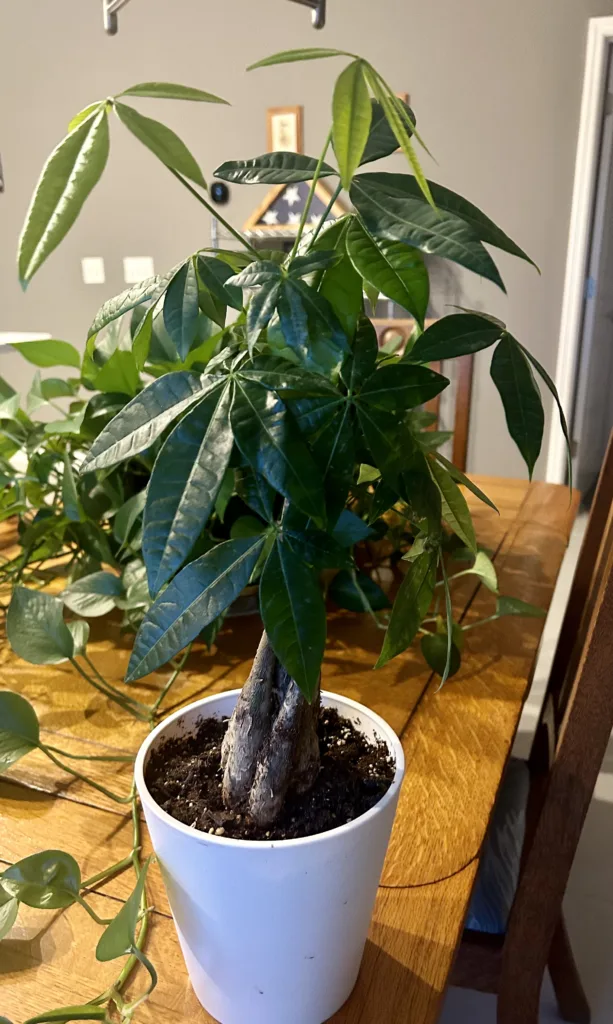
The money tree, also known as Pachira aquatica, is one of the most popular indoor plants. Gardeners love it for its braided trunk, lush green leaves, and reputation for bringing good fortune. Beyond its beauty, the money tree is also easy to grow when you know the right steps. With proper care, this tropical plant can thrive indoors for many years. Let’s explore how to care for your money tree from choosing the right pot to repotting when needed.
Choosing the Right Pot for Your Money Tree
The first step to growing a healthy money tree is selecting the right pot. Always choose a pot with drainage holes to prevent excess water from collecting at the bottom. Money trees cannot tolerate soggy roots, so drainage is a must. A pot that is one to two inches larger than the root ball works best. This size gives the roots space to grow without overwhelming the plant with too much soil that could hold water.
Ceramic, terracotta, or plastic pots all work, but each has pros and cons. Terracotta allows soil to dry faster, which helps prevent root rot, while plastic pots are lightweight and easy to move. Decorative ceramic pots look beautiful but must still have a drainage hole. If you want to use a decorative pot without holes, keep your money tree in a nursery pot and place it inside the decorative container. This method allows you to remove it for watering and ensures proper drainage.
Best Soil for a Money Tree
Soil choice plays a big role in keeping your money tree healthy. These tropical plants prefer a well-draining potting mix that still holds some moisture. A mix designed for indoor tropical plants or houseplants works well. You can also make your own blend by mixing equal parts potting soil, peat moss, and perlite. This combination keeps the soil light and prevents water from pooling around the roots.
Avoid heavy garden soil because it compacts easily and traps too much water. Instead, stick with a loose, airy mix that encourages healthy root growth. Adding a small amount of sand or orchid bark can also improve drainage. Since money trees like slightly acidic to neutral soil, aim for a pH between 6.0 and 7.5 for best growth.
Light Needs for a Money Tree
Light is one of the most important factors for your money tree’s success. These plants thrive in bright, indirect light. A spot near a sunny window covered with sheer curtains is perfect. Direct sunlight can scorch the leaves, so avoid placing the plant in harsh afternoon sun.
If your home has limited natural light, your money tree can still adapt. Place it in medium light and rotate it every few weeks so all sides receive equal light exposure. You can also use a grow light if needed, especially during the darker winter months. Keep the light on for about 12 hours a day to mimic natural sunlight. By providing consistent light, you’ll help your money tree stay full and vibrant.
Watering a Money Tree the Right Way
One of the most common mistakes plant owners make is overwatering a money tree. Since these plants prefer slightly moist but not soggy soil, it’s important to water correctly. The best method is the soak-and-dry technique. Water the plant thoroughly until it drains out of the bottom, then wait until the top two to three inches of soil feel dry before watering again.
How often you water depends on your home’s temperature, humidity, and light levels. In most cases, watering every one to two weeks works well. Always check the soil before watering instead of sticking to a strict schedule. Yellow leaves may indicate overwatering, while crispy brown edges may mean underwatering. Adjust your routine based on these signals.
Fertilizing for Healthy Growth
Fertilizer gives your money tree the nutrients it needs to grow strong. Use a balanced, water-soluble fertilizer with equal parts nitrogen, phosphorus, and potassium, such as a 10-10-10 or 20-20-20 formula. Apply fertilizer once a month during the spring and summer growing season. Always dilute it to half the recommended strength to avoid burning the roots.
In fall and winter, slow down on feeding because the plant’s growth naturally decreases. Too much fertilizer during this time can lead to salt build-up in the soil. If you notice white crust forming on top of the soil, flush it out with plain water to wash away excess salts. By feeding correctly, you’ll encourage lush foliage and steady growth.
Repotting a Money Tree
Repotting is an important step in money tree care. These plants usually need repotting every two to three years as the roots grow and the soil loses nutrients. Signs that your money tree needs a bigger pot include roots growing through the drainage holes, soil that dries out too quickly, or stunted growth.
To repot, gently remove the plant from its old container and shake off excess soil. Trim any dead or rotting roots with clean scissors. Place the plant in a new pot that is one size larger, then fill around it with fresh potting mix. After repotting, water thoroughly to help the roots settle in. Avoid fertilizing for about a month so the plant can adjust to its new home without stress.
Ideal Temperature and Humidity
Since the money tree comes from tropical regions, it enjoys warm and humid conditions. Keep the plant in temperatures between 65°F and 80°F. Avoid placing it near drafts, heating vents, or air conditioners, as sudden changes in temperature can stress the plant.
Humidity is also important. If your home is dry, especially in winter, you can increase humidity by misting the leaves, using a pebble tray with water, or running a humidifier nearby. Grouping plants together also raises humidity naturally. With the right environment, your money tree will continue to thrive indoors.
Common Problems and How to Fix Them
Even with the best care, your money tree may face a few issues. Drooping leaves often mean the plant is overwatered, while yellowing leaves may point to poor drainage. Brown tips usually signal dry air or underwatering. By adjusting watering habits and increasing humidity, you can solve most of these problems quickly.
Pests like spider mites, aphids, and mealybugs may also appear. Wipe leaves with a damp cloth and spray with insecticidal soap if needed. Keeping the leaves clean and dust-free also helps prevent pest infestations. Regularly inspect your plant so you can address problems early.
Final Thoughts on Money Tree Care
Caring for a money tree is simple once you understand its needs. By choosing the right pot, providing well-draining soil, giving it the proper light, watering carefully, fertilizing during the growing season, and repotting when necessary, you’ll enjoy a healthy and attractive plant for years. The money tree not only adds beauty to your home but also brings a touch of charm with its reputation for good fortune.
With consistent care and attention, your money tree will reward you with vibrant green leaves and steady growth. Whether you keep it in your living room, office, or bedroom, this tropical plant will brighten any space while staying easy to maintain.
Please be sure to check out my Gardening Blog Post Page for more tips on all types of gardening. Including Seed Saving, Seed Starting, Orchids, Water Gardening, Coldframe Gardening, Indoor Bulb Gardening, Hydroponics, Container Gardening, Mums, Herbs, African Violets, planting Bulbs, Flower Gardening, Vegetable and Fruit Gardening, Indoor Houseplants of all kinds, Bonsai, Cactus, Succulents, Hanging plants, Deer resistant plants and even Bird, Bee, Butterfly and Hummingbird Gardens!