
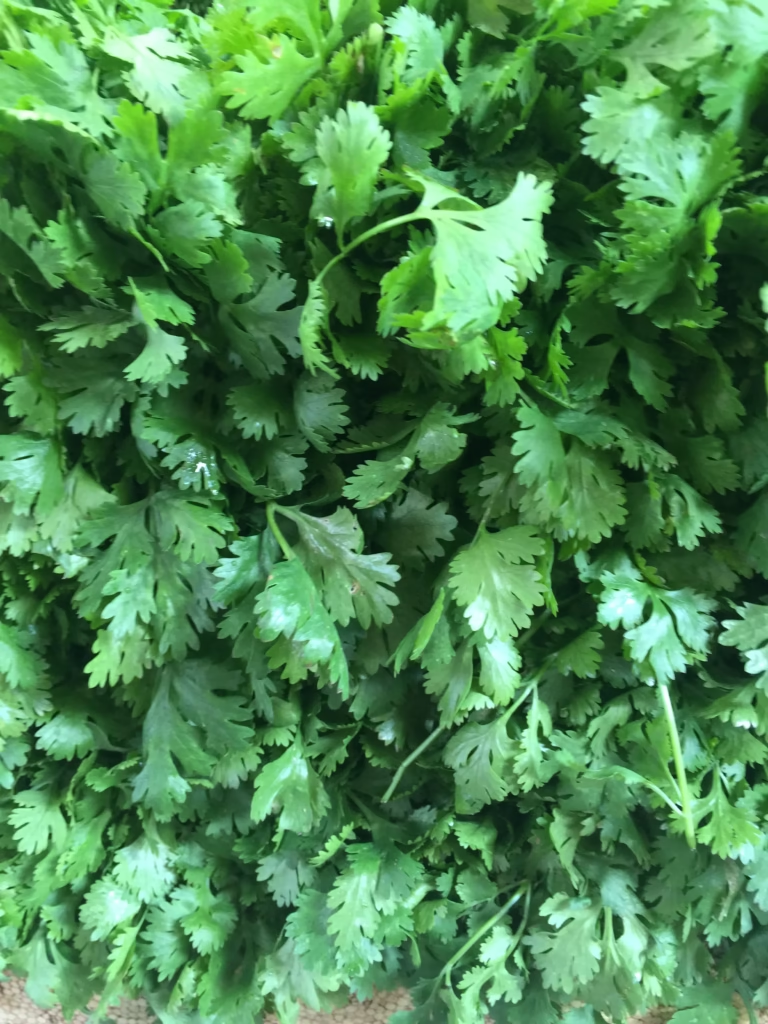
Cilantro is a delicious and versatile herb, and saving its seeds allows you to grow fresh plants every year without buying new seeds. The seeds, known as coriander, are easy to harvest and store. With the right techniques, you can learn how to save Cilantro seeds and keep them viable for the next planting season.
Harvesting Cilantro Seeds
As cilantro plants mature, they develop tall stems with small white flowers. These blossoms eventually turn into seed heads, which contain the coriander seeds. To collect seeds, allow the plant to flower and dry naturally on the stem. When the seeds turn light brown and feel hard to the touch, they are ready for harvest. If picked too early, they may not be fully developed, reducing their ability to sprout next season.
Clip the seed heads off the plant using clean scissors or garden shears. Hold a container underneath while cutting to catch any seeds that fall. Once collected, gently rub the seed heads between your hands to release the seeds. Some may already be loose and drop on their own, while others need a little pressure to separate.
Drying Cilantro Seeds
After harvesting, the seeds must dry completely before storage. Even a small amount of moisture can cause mold or spoilage. Spread the seeds in a single layer on a paper towel, tray, or screen in a warm, dry area with good air circulation. Avoid direct sunlight, as too much heat can reduce seed viability.
Let the seeds dry for at least one to two weeks. To check if they are ready, press one between your fingers. A fully dried seed will be hard and brittle, not soft or pliable. If they still feel slightly moist, give them more time to dry. Proper drying ensures the seeds remain viable for the next planting season.
Storing Cilantro Seeds in Labeled Envelopes
Once the seeds are completely dry, transfer them to a seed envelope for easy organization. A simple paper envelope works well because it allows some airflow, preventing trapped moisture. Label the envelope with the seed type and the date of collection. This step helps keep track of freshness since older seeds may have lower germination rates.
For added convenience, include any notes about the growing conditions or variety. If you harvested seeds from particularly robust plants, marking them as high-quality can help you select the best seeds for future planting. Keeping seeds labeled prevents confusion, especially if you save multiple herb varieties.
Using an Airtight Container for Long-Term Storage
To extend the life of your saved cilantro seeds, place the labeled envelopes inside an airtight container. A metal tin, glass jar, or plastic container with a tight-fitting lid all work well. The goal is to protect seeds from humidity, pests, and temperature fluctuations.
Adding silica packets inside the container helps absorb any excess moisture, further ensuring seed viability. These packets, often found in shoe boxes or packaged goods, prevent condensation from forming inside the container. Keeping moisture levels low reduces the risk of mold, which can ruin the seeds before the next growing season.
Store the airtight container in a cool, dark place, such as a pantry, cupboard, or basement. Avoid areas with high humidity, like a kitchen or bathroom, as excess moisture can shorten seed life. If stored properly, cilantro seeds can remain viable for up to five years, though they sprout best within two to three years of collection.
Checking Stored Cilantro Seeds Before Planting
Before planting saved cilantro seeds, check their condition to ensure successful germination. Inspect them for any signs of mold or pests, and discard any damaged seeds. To test viability, place a few seeds between damp paper towels and keep them in a warm spot. If they sprout within a few days, they are still good for planting. If most fail to germinate, consider using fresher seeds for a better harvest.
Happy Seed Saving!
Saving cilantro seeds is a simple and rewarding way to grow fresh herbs every year. By harvesting at the right time, drying thoroughly, and storing in a labeled envelope inside an airtight container, you can ensure your seeds stay viable for seasons to come. With the right storage methods, your cilantro plants will continue to thrive, providing plenty of flavorful leaves and seeds for future harvests.
Please be sure to check out my Gardening Blog Post Page for more tips on all types of gardening. Including Seed Saving, Seed Starting, Orchids, Water Gardening, Coldframe Gardening, Indoor Bulb Gardening, Hydroponics, Container Gardening, Mums, Herbs, African Violets, planting Bulbs, Flower Gardening, Vegetable and Fruit Gardening, Indoor Houseplants of all kinds, Cactus, Succulents, Hanging plants, Deer resistant plants and even Bird, Bee, Butterfly and Hummingbird Gardens!