
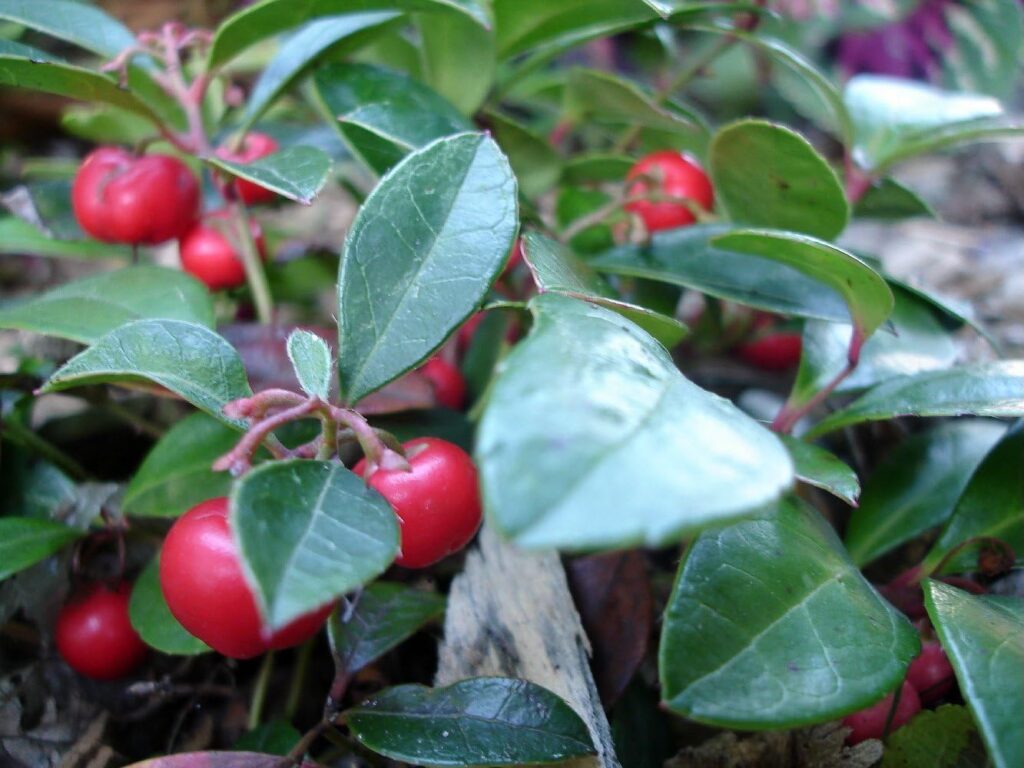
Wintergreen is a charming evergreen plant known for its glossy green leaves, bright red berries, and ability to thrive in cooler climates. Its compact size makes it a great choice for both pots and garden beds. Whether you’re looking to enhance your winter garden or add a pop of color to your patio, wintergreen is a versatile and low-maintenance option. In this guide, we’ll cover everything you need to know about growing wintergreen, including zones, pot types, soil, watering, fertilizing, pruning, and overall care.
Best Zones for Growing Wintergreen
Wintergreen thrives in USDA zones 3 through 8, making it ideal for cooler regions. This hardy plant tolerates cold winters and grows well in shaded or partially shaded areas. While it prefers mild summers, you can still grow wintergreen in warmer zones by providing adequate shade and ensuring its soil remains cool and moist.
Growing Wintergreen in Pots
Growing wintergreen in pots is a great option, especially if you want to control its environment or decorate patios and balconies. Choose pots that are at least 10–12 inches wide and have drainage holes to prevent water from pooling. Ceramic or terracotta pots work well, but plastic containers are also a good choice since they retain moisture effectively.
Use a lightweight, well-draining potting mix rich in organic matter. A blend designed for acid-loving plants like azaleas or blueberries works perfectly. Adding a layer of gravel or small stones at the bottom of the pot can improve drainage and prevent root rot.
Growing Wintergreen in the Garden
In garden beds, wintergreen serves as an excellent ground cover, spreading through its underground rhizomes to form a lush mat. Choose a location with dappled sunlight or partial shade, as too much direct sun can scorch its leaves. It thrives in acidic, well-drained soil with a pH between 4.5 and 6.0. Incorporate plenty of organic compost or peat moss into the soil to improve acidity and provide essential nutrients.
Watering Needs
Consistent moisture is key to keeping wintergreen healthy. While it doesn’t tolerate soggy soil, it also doesn’t like to dry out completely. Water your wintergreen regularly, ensuring the soil stays evenly moist but not waterlogged. During hotter months or dry spells, you may need to increase watering frequency. In pots, check the soil every few days and water when the top inch feels dry. In garden beds, adding mulch around the base helps retain moisture and keeps the roots cool.
Fertilizing Wintergreen
Wintergreen is a light feeder and doesn’t require heavy fertilization. Apply a slow-release, acid-loving plant fertilizer in early spring to encourage healthy growth and vibrant berries. Avoid over-fertilizing, as too much nitrogen can reduce berry production. If you prefer a natural approach, compost or well-aged manure can provide sufficient nutrients. Repeat feeding once or twice during the growing season, but always follow product instructions to avoid harming the plant.
Pruning Wintergreen
Pruning isn’t a major requirement for wintergreen, but light maintenance can keep it looking tidy and encourage healthy growth. Trim any dead, damaged, or yellowing leaves in early spring. You can also prune back any overly long runners to control its spread in garden beds. If you’re growing wintergreen in pots, occasional trimming helps maintain its compact shape and prevents overcrowding.
How to Care for Wintergreen
Caring for wintergreen involves providing the right conditions and addressing its basic needs. Here are some essential tips for both potted and garden wintergreen:
- Sunlight: Ensure your wintergreen gets partial shade or filtered sunlight. While it tolerates full shade, too little light can slow its growth and reduce berry production.
- Mulching: Mulch around the base of your wintergreen plants to maintain consistent moisture and keep weeds at bay. Use materials like pine needles, bark chips, or shredded leaves.
- Temperature: Wintergreen thrives in cool climates but needs protection from extreme heat. In hotter zones, place potted plants in shaded areas or under tree canopies.
- Winter Care: This evergreen is cold-hardy and requires minimal winter protection in most zones. However, in areas with harsh winters, adding an extra layer of mulch around garden plants or moving pots to a sheltered location can help prevent root damage.
- Pest and Disease Control: Wintergreen is generally pest-resistant, but you should still monitor for issues like spider mites or fungal infections. If you notice any problems, treat them promptly with neem oil or an appropriate fungicide.
Benefits of Growing Wintergreen
Wintergreen adds beauty to your outdoor spaces year-round. Its shiny green foliage remains vibrant even in winter, and its bright red berries stand out against the snow. Beyond its visual appeal, wintergreen has a subtle minty fragrance, making it a sensory delight for gardeners. It’s also a fantastic choice for wildlife-friendly gardens, as its berries attract birds and other animals.
Using Wintergreen in Your Landscape
Wintergreen pairs beautifully with other shade-loving plants like ferns, hostas, and heucheras. In pots, combine it with trailing ivy, miniature evergreens, or colorful cyclamen for an eye-catching winter display. As a ground cover, it works well along pathways, under trees, or in shaded rock gardens. Its low maintenance and adaptability make it a versatile addition to any landscape design.
Common Questions About Wintergreen
- Can I grow wintergreen indoors?
Wintergreen grows best outdoors, but you can keep it indoors temporarily as long as it gets bright, indirect light and stays in cool conditions. - How fast does wintergreen grow?
Wintergreen is a slow grower, taking several years to establish fully. Once mature, it spreads gradually through its rhizomes.
Happy Gardening
Growing wintergreen in pots or garden beds is an easy way to bring evergreen beauty and festive charm to your outdoor spaces. With the right pot, soil, and care routine, you can enjoy its glossy foliage and vibrant red berries year-round. Whether you’re enhancing a shady corner in your garden or decorating your patio, wintergreen offers versatility, durability, and style. With just a little effort, you’ll have a stunning plant that thrives even in the coldest months.
Please be sure to check out my Gardening Blog Post Page for more tips on all types of gardening. Including Seed Saving, Seed Starting, Orchids, Water Gardening, Coldframe Gardening, Indoor Bulb Gardening, Hydroponics, Container Gardening, Mums, Herbs, African Violets, planting Bulbs, Flower Gardening, Vegetable and Fruit Gardening, Indoor Houseplants of all kinds, Cactus, Succulents, Hanging plants, Deer resistant plants and even Bird, Bee, Butterfly and Hummingbird Gardens!