
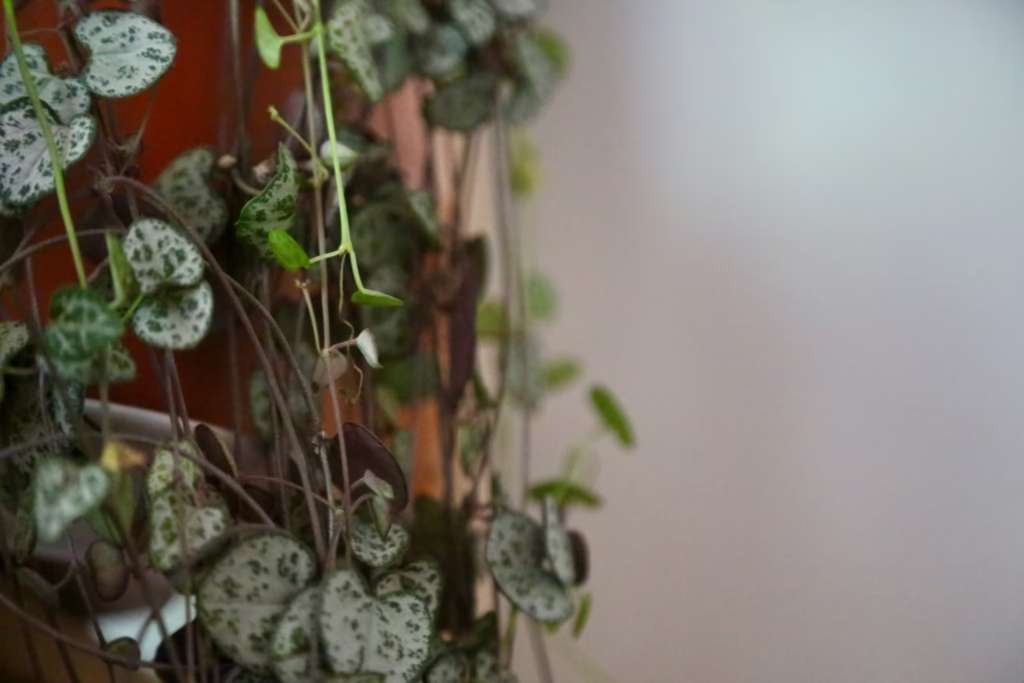
The string of hearts (Ceropegia woodii) is a stunning trailing plant with delicate, heart-shaped leaves. It thrives indoors with minimal care, making it an excellent choice for beginners. To keep it healthy, you need the right soil, pot, light, water, and fertilizer. Proper pruning and propagation will also help it grow beautifully. Here’s everything you need to know about growing a thriving string of hearts plant.
Best Type of Soil for String of Hearts
Well-draining soil is essential for a string of hearts. A mix designed for succulents or cacti soil works best because it prevents excess moisture. You can create an ideal mix by combining potting soil with perlite or sand. Adding orchid bark or coconut coir improves aeration and drainage. Avoid dense or water-retentive soils since they can cause root rot.
Best Pot Type for String of Hearts
Choosing the right pot ensures healthy root growth. A terracotta pot with drainage holes is ideal because it absorbs excess moisture and prevents soggy roots. Plastic or ceramic pots can also work, but they should have drainage holes to prevent water buildup. A shallow pot suits this plant because its roots don’t grow deep.
Light Requirements for String of Hearts
Bright, indirect light helps a string of hearts grow quickly. A spot near a south- or west-facing window is ideal. If natural light is limited, a grow light provides the necessary brightness. Avoid direct sunlight for long periods, as it can scorch the leaves. Low-light conditions slow growth and reduce the plant’s vibrant color.
Watering String of Hearts
Watering correctly keeps this plant healthy. Let the soil dry out completely between waterings, then water deeply until excess drains from the bottom. In warmer months, water every one to two weeks. During winter, reduce watering to once a month since the plant enters a dormant phase. Overwatering leads to root rot, while underwatering causes shriveled leaves.
Fertilizing String of Hearts
Regular feeding encourages lush growth. Use a balanced, diluted liquid fertilizer once a month during spring and summer. A fertilizer with equal parts nitrogen, phosphorus, and potassium (such as 10-10-10) works well. Avoid over-fertilizing because it can cause leggy growth. Stop fertilizing in fall and winter when the plant naturally slows down.
Pruning String of Hearts
Pruning keeps the plant compact and encourages fuller growth. Trim long, leggy stems to promote branching. Use clean, sharp scissors to cut just above a leaf node. Remove any yellow or damaged leaves to maintain a healthy appearance. The best time for pruning is during the growing season, from spring to early fall.
Propagating String of Hearts
Propagating a string of hearts is easy and rewarding. The three most effective methods include:
Water Propagation
Take a stem cutting with at least three nodes and remove the lower leaves. Place the cutting in a jar of water, ensuring the nodes are submerged. Change the water every few days. Roots will appear within two to four weeks. Once the roots reach an inch long, transfer the cutting to soil.
Soil Propagation
Lay stem cuttings on top of moist soil and gently press them down. The nodes will develop roots in a few weeks. Keep the soil slightly moist but not soggy. Once roots form, the plant will start producing new growth.
When to Repot String of Hearts
Repotting is necessary when the roots outgrow the pot. Signs that your plant needs a new pot include roots poking through drainage holes or slow growth despite proper care. Repot in spring or early summer for the least stress. Choose a pot only one size larger than the current one to prevent overwatering issues. Fresh soil will provide new nutrients and encourage continued growth.
Conclusion
Growing a string of hearts is simple with the right care. By providing well-draining soil, a proper pot, bright light, and correct watering, you’ll keep this plant thriving. Regular pruning and propagation ensure a fuller, healthier appearance. With these tips, your string of hearts will grow into a stunning trailing beauty that enhances any indoor space.
Please be sure to check out my Gardening Blog Post Page for more tips on all types of gardening. Including Seed Saving, Seed Starting, Orchids, Water Gardening, Coldframe Gardening, Indoor Bulb Gardening, Hydroponics, Container Gardening, Mums, Herbs, African Violets, planting Bulbs, Flower Gardening, Vegetable and Fruit Gardening, Indoor Houseplants of all kinds, Cactus, Succulents, Hanging plants, Deer resistant plants and even Bird, Bee, Butterfly and Hummingbird Gardens!