
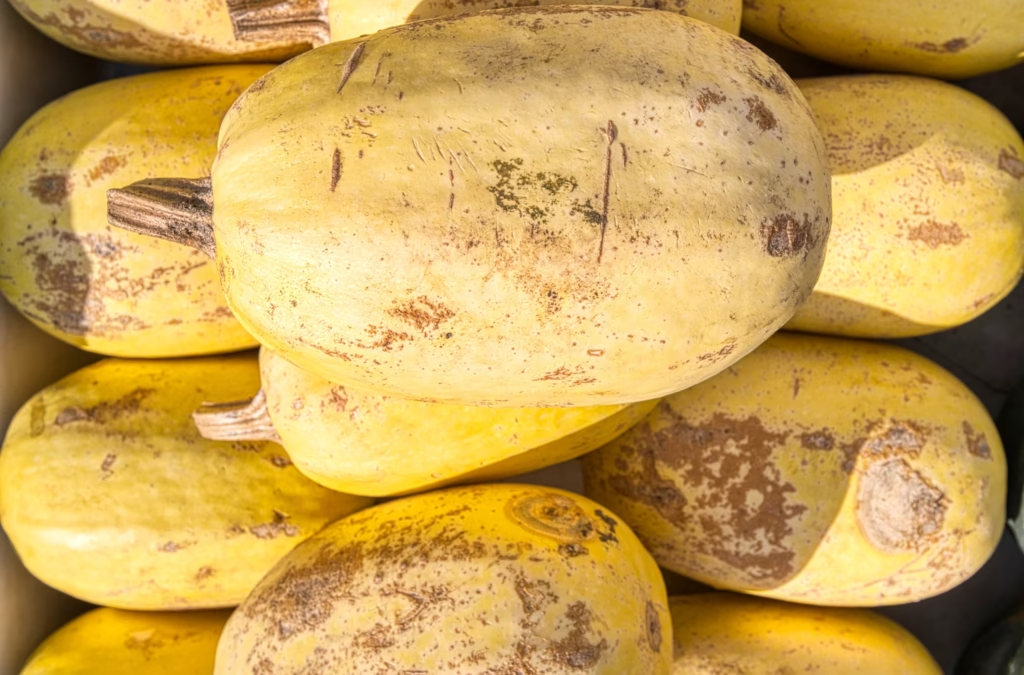
Spaghetti squash is a popular winter squash that offers a unique, stringy flesh resembling spaghetti when cooked. It’s a healthy, low-carb alternative to traditional pasta, and growing it at home is easier than you might think. With the right growing conditions and care, you can enjoy a fresh harvest of this versatile squash. In this guide, we’ll cover everything you need to know, from planting and soil preparation to harvesting and storing your spaghetti squash.
Best Growing Zones for Spaghetti Squash
Spaghetti squash thrives in USDA zones 3 through 11, making it suitable for a wide range of climates. This warm-season crop requires temperatures between 60°F and 85°F to grow effectively. In cooler regions, you can start seeds indoors to extend the growing season. In warmer zones, direct sowing works best, as long as you plant after the last frost date.
If you live in a short-growing-season area, choose faster-maturing spaghetti squash varieties. This way, you’ll have enough time to enjoy your harvest before frost sets in.
When and How to Plant Spaghetti Squash
The best time to plant spaghetti squash is after the danger of frost has passed and the soil has warmed to at least 60°F. In most regions, this occurs in late spring. If you start seeds indoors, plant them about 2 to 4 weeks before your last expected frost date. Transplant seedlings into the garden once they have two or three true leaves and the weather is consistently warm.
For direct sowing, create small hills or mounds spaced about 4 feet apart in all directions. These hills improve drainage and allow the soil to warm faster. Plant 2 to 3 seeds per hill at a depth of 1 inch. Once the seeds sprout, thin the plants to the strongest one or two seedlings per hill. Spaghetti squash vines can grow quite long, so ensure there is enough space for them to spread or consider using a trellis for vertical growth. These are some very nice heirloom spaghetti squash seeds.
Preparing the Soil for Spaghetti Squash
Spaghetti squash thrives in nutrient-rich, well-draining soil. To prepare your planting area, clear away weeds and debris. Loosen the soil to a depth of at least 12 inches to allow the roots to grow freely. Add plenty of organic matter, such as compost or aged manure, to improve the soil’s fertility and structure.
The ideal soil pH for spaghetti squash is between 6.0 and 6.8. Test your soil and adjust it if needed by adding lime to raise the pH or sulfur to lower it. Additionally, mixing in a balanced fertilizer at planting time will give your plants a strong start.
Light and Water Requirements
Spaghetti squash plants need full sunlight, so choose a location that receives at least 6 to 8 hours of direct sun daily. Ample sunlight promotes healthy growth and helps the squash mature properly.
Consistent watering is crucial for spaghetti squash. Water deeply once or twice a week, ensuring the soil remains moist but not soggy. Always water at the base of the plant to keep the leaves dry, reducing the risk of fungal diseases like powdery mildew. During flowering and fruiting, keep the soil evenly moist to support fruit development.
Fertilizing Spaghetti Squash
Spaghetti squash plants are heavy feeders, so they require regular fertilization throughout the growing season. Start by mixing a balanced, slow-release fertilizer into the soil before planting. Once the plants are established, switch to a fertilizer higher in phosphorus and potassium to encourage flowering and fruit production.
Apply fertilizer every 3 to 4 weeks, following the product’s recommended rates. Avoid using too much nitrogen, as it promotes leafy growth at the expense of fruit. After fertilizing, water the plants thoroughly to help nutrients reach the roots.
Pollination and Fruit Development
Spaghetti squash plants produce both male and female flowers, and pollination is essential for fruit development. Bees and other pollinators usually handle this task, but you can assist by hand-pollinating if necessary. Use a small paintbrush to transfer pollen from the male flowers to the female flowers.
Female flowers are easy to identify—they have a small bulge at the base, which will grow into the squash after pollination. Regularly check your plants to ensure the flowers are being pollinated, especially in areas with few natural pollinators.
How to Harvest Spaghetti Squash
Spaghetti squash typically takes 90 to 100 days to mature after planting. You’ll know it’s time to harvest when the skin turns a creamy yellow or golden color and feels hard to the touch. Another sign is that the stem attached to the fruit will start to dry out.
Use sharp pruning shears or a knife to cut the squash from the vine, leaving about 2 inches of stem attached. This stem helps prevent the fruit from rotting during storage. Be careful not to bruise or damage the squash while harvesting, as this can shorten its shelf life.
Storing Spaghetti Squash
To maximize the storage life of your spaghetti squash, cure it for about 10 days in a warm, dry location with good air circulation. This process hardens the skin and reduces the risk of spoilage. After curing, store the squash in a cool, dark place with temperatures between 50°F and 60°F.
Avoid storing spaghetti squash in the refrigerator, as the cold can negatively affect its flavor and texture. Properly stored, spaghetti squash can last for up to 3 months, allowing you to enjoy it well into the winter.
Happy Squash Gardening!
Growing spaghetti squash is a rewarding experience for gardeners of all skill levels. By planting it at the right time, preparing nutrient-rich soil, and providing consistent care, you can look forward to a plentiful harvest. With its long storage life and versatility in the kitchen, spaghetti squash is a valuable addition to any garden. Start planning your spaghetti squash planting today, and enjoy this delicious winter squash in your favorite recipes!
Please be sure to check out my Gardening Blog Post Page for more tips on all types of gardening. Including Seed Saving, Seed Starting, Orchids, Water Gardening, Coldframe Gardening, Indoor Bulb Gardening, Hydroponics, Container Gardening, Mums, Herbs, African Violets, planting Bulbs, Flower Gardening, Vegetable and Fruit Gardening, Indoor Houseplants of all kinds, Cactus, Succulents, Hanging plants, Deer resistant plants and even Bird, Bee, Butterfly and Hummingbird Gardens!