
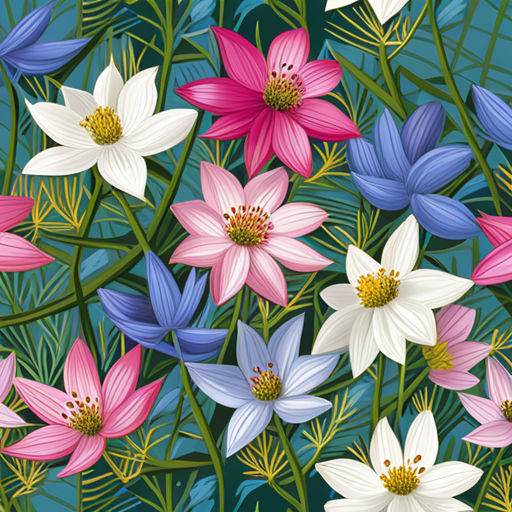
Nigella, also known as “love-in-a-mist,” is a charming and delicate flower that’s gaining popularity among gardens. This easy-to-grow bloom not only adds a picturesque touch to any garden but also holds significant cultural and culinary importance. Here’s everything you need to know about how to grow Nigella, from soil preparation, water and fertilizer needs.
Understanding Nigella
Nigella is a genus of about 18 species of annual plants in the family Ranunculaceae. The most well-known species is Nigella damascena, which is an annual flowering plant native to southern Europe, north Africa, and southwest Asia. The plant features finely cut leaves and a unique flower. That combines delicate petals with a mist of green leaves beneath the blossom. Which gives rise to its common name, “love-in-a-mist.” This plant usually grows to around 12-18 inches in height. And can sprout flowers with a mix of blue, pink, and white shades. Some popular varieties of Nigella include ‘Blue Midget,’ with its striking blue flowers. ‘Persian Jewels’ with blooms in a mix of hues, and ‘Albion,’ which shows off white petals. These are perfect for a cutting flower garden!
Sunlight Requirements
Nigella thrives best in full sunlight but can tolerate partial shade. The plant prefers to soak up at least six hours of direct sunlight per day, which is crucial for the development of its distinctive blooms. Adequate sunlight not only contributes to the vibrancy of the flowers but also ensures healthier foliage and stems. Gardeners should select a planting site that provides ample morning sunlight and some protection from the harsh afternoon sun, especially in hotter climates. This balance encourages robust growth while preventing potential stress from too much heat.
Preparing the Soil
Good soil preparation is key to growing healthy Nigella plants. The soil should be well-drained yet hold enough moisture to sustain the plants during dry periods. Start by loosening the soil to a depth of about 12-15 inches and mix in a layer of organic compost to enrich it. The ideal pH for Nigella should be between slightly acidic to neutral (pH 6.0 to 7.0). If the soil in your garden is heavy clay or too sandy, incorporating organic matter will not only improve soil structure but also increase nutrient availability. Ensuring that the beds are free of weeds and debris before planting will give the Nigella an optimal environment for root growth.
Planting Nigella Seeds Directly in Soil
Once your garden bed is prepared, you can begin sowing Nigella seeds directly into the soil. This approach is often preferred as Nigella doesn’t like to be transplanted due to its delicate root system. When planting, sprinkle the seeds evenly across the soil surface and lightly cover them with about ⅛ inch of soil, as they require light to germinate. Space the seeds or groups of seeds approximately 8 inches apart to provide sufficient room for growth.
Timing is crucial for the successful cultivation of Nigella. The best time to plant Nigella seeds is in early spring, as soon as the soil can be worked. In areas with mild winters, seeds can also be sown in autumn. This will result in earlier blooms the following spring. Keep the soil slightly moist until germination, which typically occurs in 10 to 14 days. With the right conditions, you’ll soon see the charming sprouts of Nigella beginning their growth journey.
Planting Nigella Nursery Plants
If starting Nigella from nursery plants rather than seeds, it’s important to handle these delicate seedlings with care to ensure successful transplantation into your garden. Select healthy-looking plants with strong stems and no signs of wilting or discoloration. When planting, carefully remove the Nigella plant from its container, trying not to disturb the root ball too much.
Dig a hole in your prepared garden bed that is just big enough to accommodate the root ball. Nurture each tiny guest by setting it into the hole at the same depth it was in the container. Ideally, nursery plants should be spaced about 8-10 inches apart from each other to provide adequate room for spread. The spacing can slightly vary depending on the expected size of the variety you’ve chosen. After positioning your plant in the hole, fill in around the root ball with soil and press gently to eliminate any air pockets. Water the plant well and keep the soil consistently moist but not waterlogged as the plant establishes itself. With gentle care, your Nigella nursery plants will adapt to their new home and flourish, filling your garden with their whimsical blossoms.
Water and Fertilizer
Maintaining the right watering schedule is crucial for Nigella. These flowers like a consistent level of moisture, so watering them regularly is important especially in the weeks after germination and during dry spells. Aim for about an inch of water per week, whether from rain or your garden hose, but be careful not to overwater, as Nigella does not like soggy soil.
As for fertilizer, Nigella is not particularly demanding. The addition of organic matter to the soil before planting typically provides adequate nutrients for the season. However, if your soil is lacking, an all-purpose, slow-release flower fertilizer can be applied according to the package instructions. Overfertilizing can lead to lush foliage at the expense of bloom production, so proceed with caution. It’s often best to perform a soil test to determine the specific needs of your garden.
How Long Until Nigella Bloom
After planting Nigella seeds or nursery plants, patience is key while waiting for the enchanting blooms to appear. Typically, Nigella will take about 8 to 12 weeks from the time of sowing seeds to bloom if growing conditions are optimal. For those who started with nursery plants, flowering may occur sooner since the plants are already partially developed at the time of planting. To enjoy these captivating flowers as long as possible, consider staggering the seed sowing or plant purchases by a few weeks. This method, known as ‘successional planting,’ ensures a continuous display of Nigella’s beauty throughout the growing season.
How Tall Do Nigella Grow
Nigella plants, with their delicate and ornate blossoms, typically achieve a moderate height as they mature. They generally grow to about 18 to 24 inches tall. The plant’s stature can vary slightly depending on the specific variety and the growing conditions provided. They are characterized by their upright and somewhat lacy foliage, which complements their height with a gentle fullness. When planning a flower garden layout, keep in mind the mature size of Nigella to ensure it harmonizes well with surrounding plants, with taller varieties towards the back and shorter ones in front for an aesthetically pleasing display.
Harvesting and Using Nigella
The flowers of Nigella are a wonderful addition to cut flower arrangements, and the seed pods can be left on the plant to dry and used in dried flower arrangements. To harvest seeds, wait until the seedpods turn brown and the seeds inside turn black. Cut the seedpods from the plants and spread them out to dry.
Nigella seeds are also edible and are often used in Middle Eastern and Indian cuisine. They have a slightly bitter taste and are often sprinkled on breads, salads, and other foods. Store seeds in an airtight container in a cool, dark place for up to a year.
Happy Gardening!
Nigella is an enchanting plant that’s as rewarding to grow as it is to look at. By selecting the right location, providing adequate care, and knowing how to harvest, you’ll have a garden filled with these lovely, misty flowers. Whether you’re a seasoned gardener or just starting, the journey of planting Nigella is one to be savored. And remember, gardening is not just about planting and pruning; it’s about connecting with nature, sowing love, and reaping joy in every bloom that you tend to.
Please be sure to check out my Gardening Blog Post Page for more tips on all types of gardening. Including Seed Starting, Orchids, Water Gardening, Coldframe Gardening, Indoor Bulb Gardening, Hydroponics, Container Gardening, Mums, Herbs, African Violets, planting Bulbs, Flower Gardening, Vegetable and Fruit Gardening, Indoor Houseplants of all kinds, Cactus, Succulents, Hanging plants, Deer resistant plants and even Bird, Bee, Butterfly and Hummingbird Gardens!