
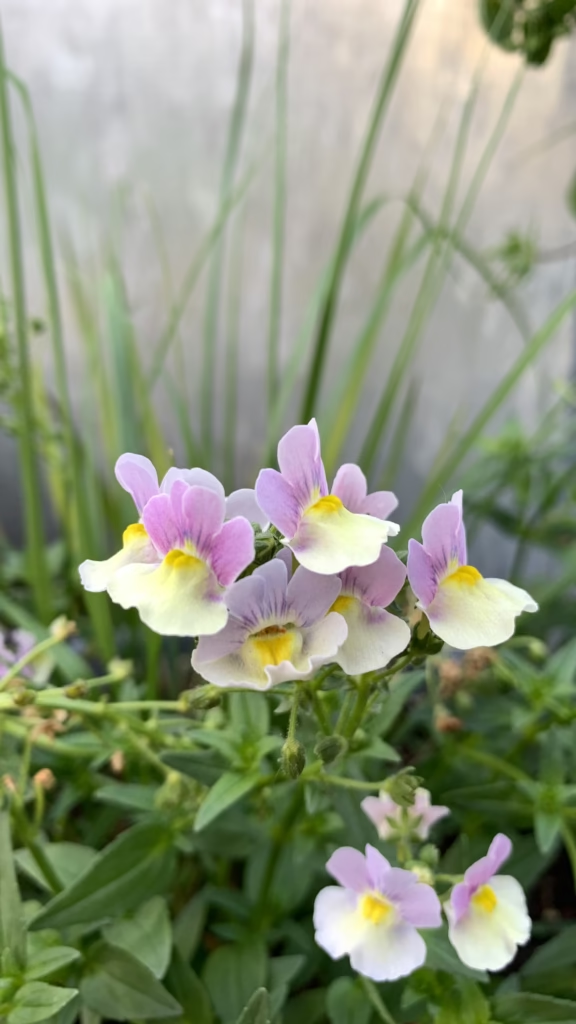
Nemesia is a charming flowering plant that adds vibrant color to gardens and containers. Known for its bright, cheerful blooms, nemesia thrives in a variety of conditions and is relatively easy to grow with the right care. To help you grow healthy, flourishing nemesia, this guide covers everything you need to know, from soil preparation and planting to light, water, fertilizer, and winter care.
Preparing the Soil for Nemesia
Good soil preparation plays a crucial role in the growth of nemesia. These plants prefer well-draining soil that is rich in organic matter. To start, choose a spot with loose, fertile soil. If your garden soil tends to retain water, improve its drainage by mixing in coarse sand or perlite. Adding compost or well-rotted manure enhances the soil’s nutrient content, ensuring the plants have everything they need to grow strong and bloom profusely.
Check the soil pH with this soil meter before planting. Nemesia grows best in slightly acidic to neutral soil, with a pH range between 5.5 and 7.0. If your soil is too alkaline, add peat moss or sulfur to bring it to the desired level. Preparing the soil a few weeks before planting allows any amendments to settle and create the perfect environment for your nemesia.
When and How to Plant Nemesia
The timing of planting nemesia depends on your local climate. In cooler regions, wait until after the last frost to plant outdoors. In warmer climates, you can plant nemesia earlier, as long as nighttime temperatures stay above 50°F (10°C). You can also start nemesia seeds indoors about six to eight weeks before the final frost date and transplant the seedlings once the weather warms up.
For seeds, sow them thinly in a tray filled with seed-starting mix. Lightly press the seeds into the soil but don’t cover them, as they need light to germinate. Keep the soil moist, and you’ll see seedlings emerge within 10-14 days. When transplanting young plants or seedlings outdoors, space them about 6-8 inches apart to ensure good air circulation and room for growth.
If you’re planting nemesia in containers, choose pots with drainage holes and fill them with a high-quality potting mix. Containers work well because they allow you to move the plants to the ideal location as seasons change.
Light Requirements for Nemesia
Nemesia thrives in full sun to partial shade. In cooler climates, full sun encourages maximum blooming and vibrant colors. However, in hotter regions, too much sun can stress the plants. In these areas, provide some afternoon shade to protect them from scorching heat. When growing nemesia in containers, it’s easy to adjust their position to suit their light needs.
Keep in mind that insufficient light may lead to fewer blooms or leggy growth. If you’re growing nemesia indoors, place them near a sunny window or supplement with grow lights to ensure they receive at least 6 hours of bright light each day.
Watering Nemesia
Nemesia plants need consistent moisture to thrive, but they don’t like soggy soil. Water them deeply and regularly, especially during dry periods, to keep the soil evenly moist. However, let the top inch of soil dry out slightly between waterings to prevent overwatering, which can lead to root rot.
For container-grown nemesia, check the soil moisture daily since pots dry out faster than garden beds. Use your finger to test the soil and water when it feels dry about an inch below the surface. Early morning watering works best, as it allows the foliage to dry quickly, reducing the risk of fungal diseases.
Fertilizing Nemesia
To keep nemesia blooming throughout the growing season, feed them regularly with a balanced, water-soluble fertilizer. Apply the fertilizer every two to three weeks during the active growing season to provide the nutrients they need for continuous flowering.
Avoid over-fertilizing, as too much nitrogen can promote leafy growth at the expense of blooms. Choose a fertilizer with a balanced ratio of nitrogen, phosphorus, and potassium, such as 10-10-10 or 20-20-20. If you prefer organic options, use a liquid seaweed or fish emulsion fertilizer. For container plants, you can also mix slow-release granules into the soil at planting time for steady nourishment.
After-Bloom and Winter Care
Nemesia blooms heavily in spring and early summer, but many varieties will produce a second flush of flowers if you care for them properly. To encourage reblooming, deadhead spent flowers regularly by pinching or snipping them off just above a leaf node. Pruning also helps maintain a neat appearance and prevents the plant from expending energy on seed production.
In regions with mild winters, nemesia can survive as a perennial. Cut back the plants to about one-third of their size in late fall to prepare them for the cooler months. Mulch the base of the plants with a 2-3 inch layer of straw or shredded bark to insulate the roots and protect them from frost.
In colder climates, nemesia is typically grown as an annual. If you want to save your plants for the next season, consider bringing container-grown nemesia indoors before the first frost. Place them in a bright, cool spot, such as a sunroom or a south-facing window, and water sparingly during the winter months.
Tips for Success with Nemesia
To ensure success with nemesia, keep a few additional tips in mind. First, monitor for pests like aphids and whiteflies, which can sometimes infest the plants. Use insecticidal soap or neem oil to treat infestations promptly.
Second, if your nemesia becomes leggy or stops blooming during the hottest part of summer, trim them back by half and provide extra shade. This encourages fresh growth and prepares them for a second wave of blooms when temperatures cool down.
Lastly, experiment with different nemesia varieties to find the best match for your garden. Some cultivars, such as ‘Sunsatia’ or ‘Bluebird,’ offer unique flower colors and increased heat tolerance, making them suitable for a range of climates and conditions.
By following these tips, you’ll enjoy a stunning display of nemesia in your garden or containers. With proper care, these versatile plants will reward you with vibrant blooms and plenty of color throughout the growing season.
Please be sure to check out my Gardening Blog Post Page for more tips on all types of gardening. Including Seed Saving, Seed Starting, Orchids, Water Gardening, Coldframe Gardening, Indoor Bulb Gardening, Hydroponics, Container Gardening, Mums, Herbs, African Violets, planting Bulbs, Flower Gardening, Vegetable and Fruit Gardening, Indoor Houseplants of all kinds, Cactus, Succulents, Hanging plants, Deer resistant plants and even Bird, Bee, Butterfly and Hummingbird Gardens!