
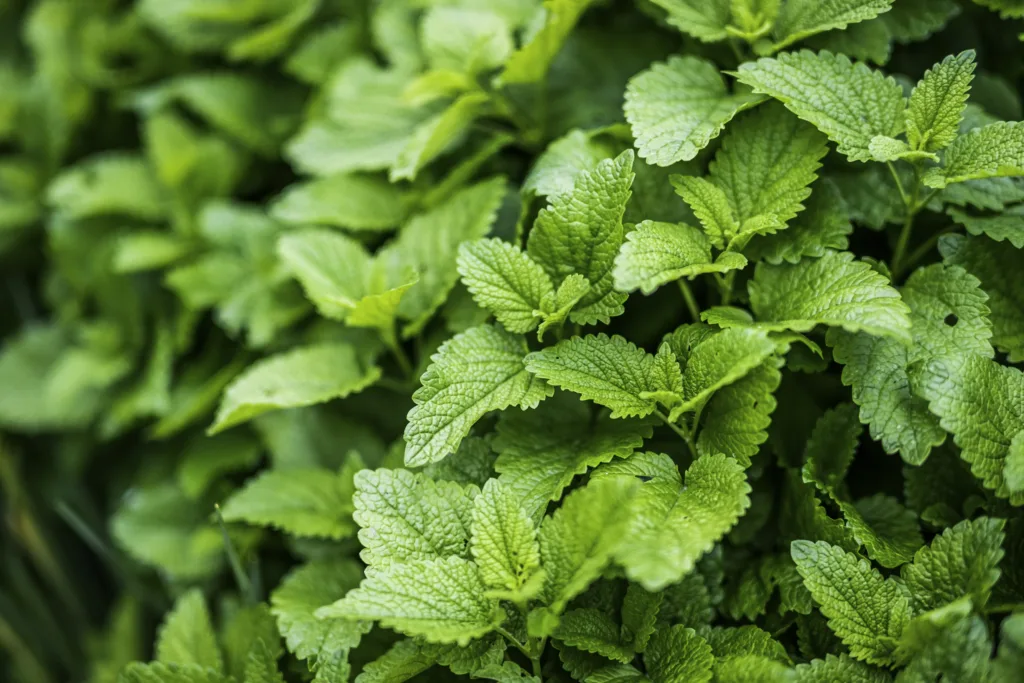
Lemon balm, with its fresh citrusy scent and soothing properties, is a wonderful herb to grow in your garden. This versatile plant, a member of the mint family, is easy to cultivate and can be used in teas, cooking, and natural remedies. To ensure your lemon balm thrives, it’s important to understand its needs, from soil preparation to overwintering. This guide will walk you through everything you need to know about growing lemon balm successfully in your garden.
Lemon Balm Soil
The first step to growing healthy lemon balm is preparing the right soil. Lemon balm prefers well-drained, fertile soil with a slightly acidic to neutral pH, ideally between 6.0 and 7.0. If your garden soil is heavy or clay-like, consider improving its drainage by adding organic matter such as compost, aged manure, or sand. This will not only enhance soil structure but also increase its fertility, providing your lemon balm with the nutrients it needs to thrive.
Before planting, clear the area of any weeds and large debris. Lemon balm spreads easily and can compete with weeds, but it’s best to start with a clean, weed-free bed to give your plants the best chance to establish themselves. Loosen the soil to a depth of about 12 inches to allow the roots to grow freely and ensure good air circulation.
Lemon Balm Light Requirements
Lemon balm grows best in full sun but can also tolerate partial shade, especially in regions with hot summers. Ideally, you should plant it in a spot where it receives at least five to six hours of direct sunlight each day. In areas with intense afternoon sun, some light shade can help prevent the leaves from scorching, but too much shade can lead to leggy growth and reduced flavor.
If you’re growing lemon balm in containers, place the pots in a sunny location, such as a south-facing patio or balcony, to ensure the plants receive enough light. When growing lemon balm indoors, make sure it gets plenty of sunlight by placing it near a bright window or using grow lights to supplement natural light.
Water Needs
Lemon balm is relatively drought-tolerant once established, but it prefers consistently moist soil, especially during the growing season. Water the plant regularly, ensuring that the soil remains evenly moist but not waterlogged. In the early stages, frequent watering is essential to help the roots establish themselves. Once the plant is mature, you can reduce the frequency slightly, allowing the soil to dry out a bit between watering sessions.
During hot, dry periods, keep a close eye on soil moisture levels, particularly if your lemon balm is growing in containers, which tend to dry out faster than garden beds. Mulching around the base of the plants can help retain moisture and keep the roots cool, especially during the heat of summer.
Fertilizer
Lemon balm is not a heavy feeder, but it does benefit from occasional feeding, especially if your soil is not naturally rich in nutrients. At the time of planting, you can mix in a slow-release, balanced fertilizer or a generous amount of compost to provide the essential nutrients lemon balm needs. Throughout the growing season, applying a water-soluble fertilizer every four to six weeks will help support healthy growth and encourage lush foliage.
For those who prefer organic gardening methods, compost or well-rotted manure applied as a top dressing in the spring will enrich the soil and provide a steady supply of nutrients. Be careful not to over-fertilize, as too much nitrogen can lead to excessive leaf growth at the expense of flavor and aroma.
Pest Control
Lemon balm is relatively resistant to most pests and diseases, making it an easy plant to care for. However, it can occasionally attract common garden pests like aphids, spider mites, or whiteflies. To minimize the risk of infestations, ensure your lemon balm plants have good air circulation by spacing them properly and avoiding overcrowding.
If you notice pests, treat them promptly with organic methods such as insecticidal soap or neem oil. Regularly inspecting your plants for signs of trouble will help catch issues early before they become more serious. Additionally, encouraging beneficial insects like ladybugs, which naturally prey on aphids and other pests, can help keep your lemon balm healthy.
Prune Lemon Balm
Pruning is an essential part of caring for lemon balm, as it encourages bushier growth and prevents the plant from becoming too leggy. Regularly pinching back the tips of the stems will promote denser foliage, which not only improves the plant’s appearance but also increases the number of leaves available for harvest.
In the spring, prune back any dead or damaged stems to stimulate new growth. If you’re growing lemon balm for culinary use, regular harvesting will naturally keep the plant pruned and healthy. Just be sure to leave enough foliage on the plant so it can continue to photosynthesize and grow.
Propagating Lemon Balm
Lemon balm is easy to propagate through seeds, cuttings, or division. If you want to grow lemon balm from seeds, you can start them indoors about six to eight weeks before the last frost date in your area. Sow the seeds in a light, well-draining potting mix, and keep them moist until they germinate, which usually takes about 10 to 14 days. Once the seedlings are large enough to handle, transplant them into the garden after the last frost.
Propagating lemon balm from cuttings is another effective method. In late spring or early summer, take 4- to 6-inch cuttings from healthy, established plants. Remove the lower leaves and dip the cut ends in rooting hormone to encourage root development. Plant the cuttings in a well-draining potting mix, and keep them in a warm, bright location out of direct sunlight until they root, which usually takes a few weeks.
If you already have established lemon balm plants, you can propagate them by division in the spring or fall. Dig up the plant and carefully separate the root clump into smaller sections, each with a few shoots and roots. Replant the divisions immediately in well-prepared soil.
Overwintering
Lemon balm is a hardy perennial, capable of surviving winter in USDA zones 4-9. However, if you live in a region with very cold winters, you may need to take extra steps to protect your plants. In colder climates, consider mulching heavily around the base of the plant in late fall to insulate the roots and protect them from freezing temperatures.
If you’re growing lemon balm in containers, you can move the pots indoors or to a sheltered location like a garage or greenhouse before the first frost. Reduce watering during the winter months, as the plant’s growth will slow down, and it won’t require as much moisture. If left outside, cover the plants with a frost cloth or similar material to provide additional protection.
Happy Herb Gardening
By following these guidelines, you can successfully grow lemon balm in your garden, ensuring it remains healthy and productive throughout the year. Whether you’re using its fragrant leaves in teas, cooking, or for their calming effects, lemon balm is a versatile and rewarding herb to cultivate.
Please be sure to check out my Gardening Blog Post Page for more tips on all types of gardening. Including Seed Starting, Orchids, Water Gardening, Coldframe Gardening, Indoor Bulb Gardening, Hydroponics, Container Gardening, Mums, Herbs, African Violets, planting Bulbs, Flower Gardening, Vegetable and Fruit Gardening, Indoor Houseplants of all kinds, Cactus, Succulents, Hanging plants, Deer resistant plants and even Bird, Bee, Butterfly and Hummingbird Gardens!