
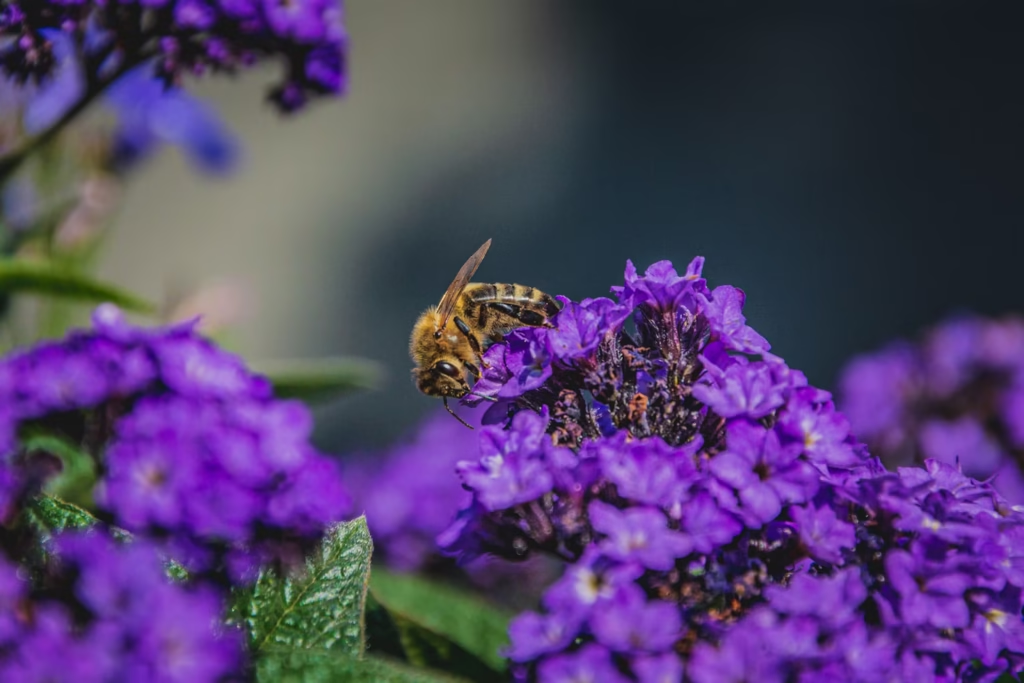
Heliotrope is a beautiful and fragrant flower that adds timeless charm to garden beds, borders, and containers. With its clusters of purple, violet, or white blooms and sweet vanilla scent, this plant has remained a cottage garden favorite for generations. It’s especially beloved by pollinators like butterflies and bees. If you want to enjoy the beauty and scent of heliotrope in your own garden, you need to understand the right way to grow and care for it. Let’s walk through how to plant heliotrope and how to keep it healthy and blooming all season.
Choosing the Right Location
To grow heliotrope successfully, begin by choosing the right spot in your garden. Heliotrope thrives in a location that gets full sun. It needs at least six hours of sunlight daily to produce lush, fragrant flowers. In hot southern climates, though, a bit of afternoon shade helps protect the plant from heat stress. Without enough light, heliotrope may grow leggy and produce fewer blooms.
Make sure the planting area is sheltered from strong winds. Heliotrope has soft stems and benefits from some protection. You can also plant it near a patio, porch, or walkway so you can enjoy its sweet scent up close.
Preparing the Soil
Heliotrope prefers rich, well-draining soil with plenty of organic matter. Before planting, work compost or aged manure into your garden bed to improve soil structure and fertility. The ideal soil pH is slightly acidic to neutral, between 6.0 and 7.5. If your soil tends to be clay-heavy or compacted, mix in peat moss or leaf mold to loosen it up. This helps the roots grow deeply and prevents water from pooling around them. This 4 in 1 soil meter is perfect for both testing and monitoring your soil.
If you’re planting heliotrope in containers, use a high-quality potting mix that contains perlite or vermiculite for proper drainage. Avoid garden soil in pots, as it can become heavy and soggy.
Planting Heliotrope
You can start heliotrope from seeds, but most gardeners prefer to plant nursery-grown seedlings or rooted cuttings because they bloom faster. Wait until all danger of frost has passed before planting outdoors. Heliotrope is very sensitive to cold, and even a light frost can damage or kill the plant.
Dig a hole that’s slightly larger than the root ball of your plant. Gently loosen the roots before placing the plant into the hole. Fill in with soil and press it down lightly to remove air pockets. Space each heliotrope plant about 12 to 18 inches apart to give them room to grow and spread. After planting, water thoroughly to help the roots settle in.
If you’re growing heliotrope in pots, choose containers with drainage holes. Place a layer of gravel or small stones at the bottom for extra drainage. Then fill with potting mix and plant as you would in the garden.
Watering Heliotrope
Heliotrope needs consistent moisture to thrive, especially during the heat of summer. However, it does not tolerate soggy soil, so good drainage is essential. Water your plants deeply whenever the top inch of soil feels dry. This encourages the roots to grow downward and builds stronger, more drought-tolerant plants.
During hot, dry weather, you may need to water several times a week. In cooler weather or when rain is plentiful, scale back to avoid overwatering. Container-grown heliotrope dries out faster than garden-planted ones, so check the soil often and water as needed.
To help retain moisture and reduce watering frequency, spread a thin layer of mulch around the base of your plants. Mulch also keeps the roots cooler and helps control weeds.
Fertilizing for Healthy Blooms
Heliotrope is a hungry plant, especially when it’s in full bloom. To encourage strong growth and a steady stream of flowers, feed your plants regularly. Start by mixing a slow-release granular fertilizer into the soil at planting time. Choose a balanced formula like 10-10-10 or one with slightly higher phosphorus content to promote flowering.
Throughout the growing season, supplement with a liquid fertilizer every two to three weeks. You can use a bloom booster or a water-soluble flower fertilizer to keep the plants vigorous. Be sure to follow the package instructions so you don’t overfeed. Over-fertilizing can lead to lush foliage with few flowers.
Container-grown heliotrope needs even more frequent feeding, as nutrients wash out with watering. A diluted liquid fertilizer every 10 to 14 days helps keep potted plants looking their best.
Deadheading and Pruning
Regular deadheading helps heliotrope bloom more abundantly. As soon as flower clusters begin to fade, snip them off just above a leaf node. This encourages the plant to keep producing new buds instead of going to seed. You can also pinch back the growing tips early in the season to promote bushier growth.
If your heliotrope becomes leggy or overgrown, don’t hesitate to trim it back. Use clean, sharp scissors or pruners and cut back one-third of the plant to shape it. This helps it stay compact and attractive throughout the season.
How to Propagate Heliotrope
If you want more heliotrope plants, you can propagate them easily through stem cuttings. Late spring or early summer is the best time to do this. Choose a healthy plant and cut a non-flowering stem about four to six inches long. Remove the lower leaves and dip the cut end into rooting hormone.
Next, place the cutting into a small pot filled with moist, sterile potting mix or a mix of peat and perlite. Cover the pot with a plastic dome or a clear plastic bag to retain humidity. Keep the soil moist and place the pot in a bright, indirect light location. In about three to four weeks, roots will begin to form. Once the cutting is well-rooted, transplant it into a larger pot or directly into your garden.
You can also collect seeds from dried flower heads in late summer, but keep in mind that heliotrope grown from seed takes longer to mature and bloom.
Overwintering Heliotrope
In USDA zones 9 to 11, heliotrope may survive as a tender perennial. However, in most regions, it is grown as an annual. If you live in a colder climate and want to keep your heliotrope over the winter, bring it indoors before the first frost.
Dig up the plant and pot it in fresh potting mix. Place it in a bright, sunny window or under grow lights. Water sparingly during winter, just enough to keep the soil from drying out completely. You can also take cuttings in late summer and grow them indoors until it’s time to replant them in the spring.
Common Pests and Problems
While heliotrope is generally easy to grow, it can attract a few pests such as aphids, whiteflies, and spider mites. Check your plants regularly and treat infestations promptly. A strong spray of water often knocks pests off. For more persistent issues, use insecticidal soap or neem oil.
Yellowing leaves or root rot can occur if the soil stays too wet. Always check drainage and avoid watering too frequently. If you notice powdery mildew, provide better air circulation and avoid overhead watering.
Final Thoughts
Heliotrope is a lovely addition to any garden with its richly scented blooms and old-fashioned charm. Whether you grow it in containers on your porch or mix it into a flower bed, this plant rewards you with beauty and fragrance all summer long. By providing the right amount of light, rich soil, consistent moisture, and regular feeding, you’ll enjoy strong, blooming plants from spring through fall. Don’t forget to propagate a few cuttings so you can keep this sweet-smelling flower in your garden year after year.
Please be sure to check out my Gardening Blog Post Page for more tips on all types of gardening. Including Seed Saving, Seed Starting, Orchids, Water Gardening, Coldframe Gardening, Indoor Bulb Gardening, Hydroponics, Container Gardening, Mums, Herbs, African Violets, planting Bulbs, Flower Gardening, Vegetable and Fruit Gardening, Indoor Houseplants of all kinds, Bonsai, Cactus, Succulents, Hanging plants, Deer resistant plants and even Bird, Bee, Butterfly and Hummingbird Gardens!