Low Maintenance Hanging Plants

Hanging plants are a great addition to any garden, adding a touch of beauty and elegance to your space. However, not all of us have the time and the energy to take care of them. Luckily, there are options that don’t require much upkeep. In this blog post, I will share with you some of the low maintenance hanging plants you can consider, along with tips on how to care for them. We will also be discussing the best pot and soil type, watering and light requirements for these plants.

Spider Plant-a Perfect starter Low Maintenance Plant

Spider plant
Spider Plant

The spider plant is a well-loved indoor plant that is perfect for hanging. It can grow up to two feet in length and can be grown in a variety of soils. However, it is best to plant them in well-draining soil to avoid rotting. Spider plants can tolerate low light, but they thrive in bright, indirect sunlight. They require watering once a week, ensuring that the soil is moist but not soggy.

Pothos One of my Favorite Low Maintenance Hanging Plants

Pothos is a low maintenance plant that is perfect for beginners. They are known to be resilient and can survive in a variety of conditions. Pothos plants grow best in well-draining soil and do not need to be watered too often. Allow the soil to dry before watering again. Pothos plants prefer low to medium light, making them perfect for indoor spaces. Pothos are perfect growing in water only also-check out my post on plants that grow in water!!

String of Pearls a Unique Low Maintenance Hanging Plant
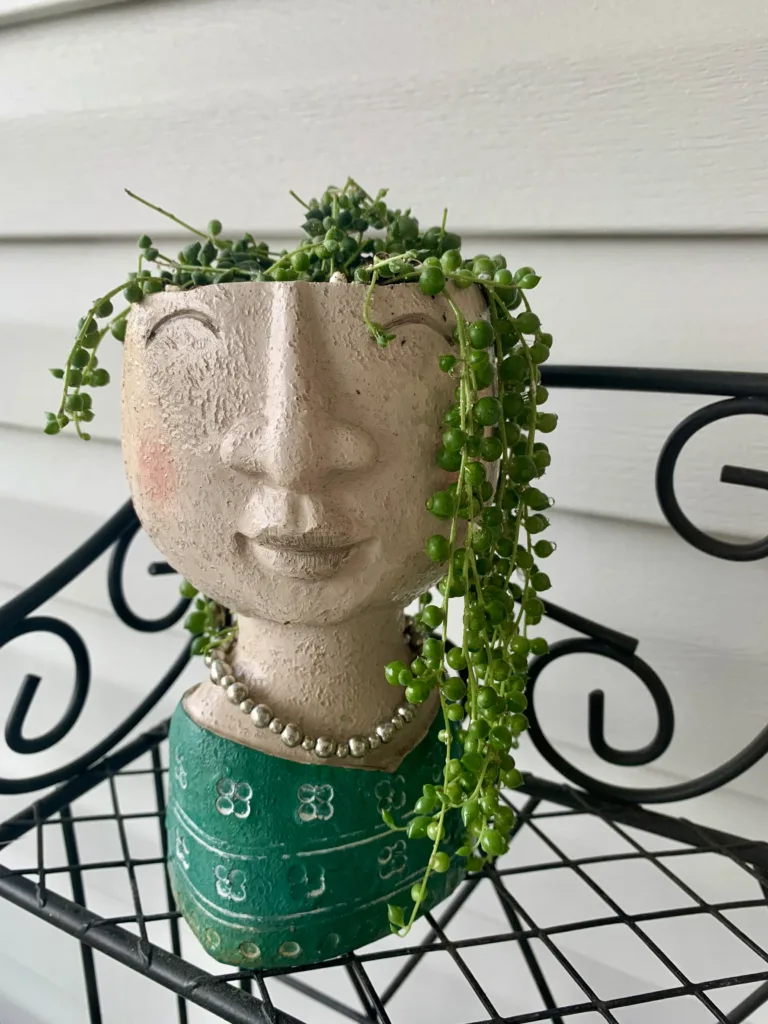
String of Pearls
My string of pearls in one of my favorite pot head planters!

The string of pearls is a succulent plant that looks fabulous in a hanging basket. They require bright, indirect sunlight and should be watered every two weeks. The string of pearls also prefers well-draining soil that is porous and does not retain too much moisture. This plant can be grown indoors but also thrives outdoors in warmer, humid climates. For more in depth post on growing the unique string of pearls check out my post on String of Pearls. Very easy to propagate-I just cut off some of my longer vines, removed about an inch of the pears, placed in water in a propagation station. Once roots formed I planted in this unique pot head planter-Love it!

Boston Fern a Beautiful Low Maintenance Hanging Plant

Boston fern is a classic hanging plant that can add a touch of elegance to any space. They prefer an evenly moist soil that is well-draining. These plants require moderate to bright, indirect sunlight and prefer cooler temperatures. Boston ferns should be watered frequently, ensuring that the soil remains damp but not waterlogged.

Air Plants a Perfect Low Maintenance Hanging Plant

Air plants require minimal care and are excellent for those who do not have much time to spare. They require no soil and can survive by soaking up nutrients and moisture from the air. Air plants thrive in bright, indirect sunlight and require occasional misting or soaking in water for about 30 minutes once a week.
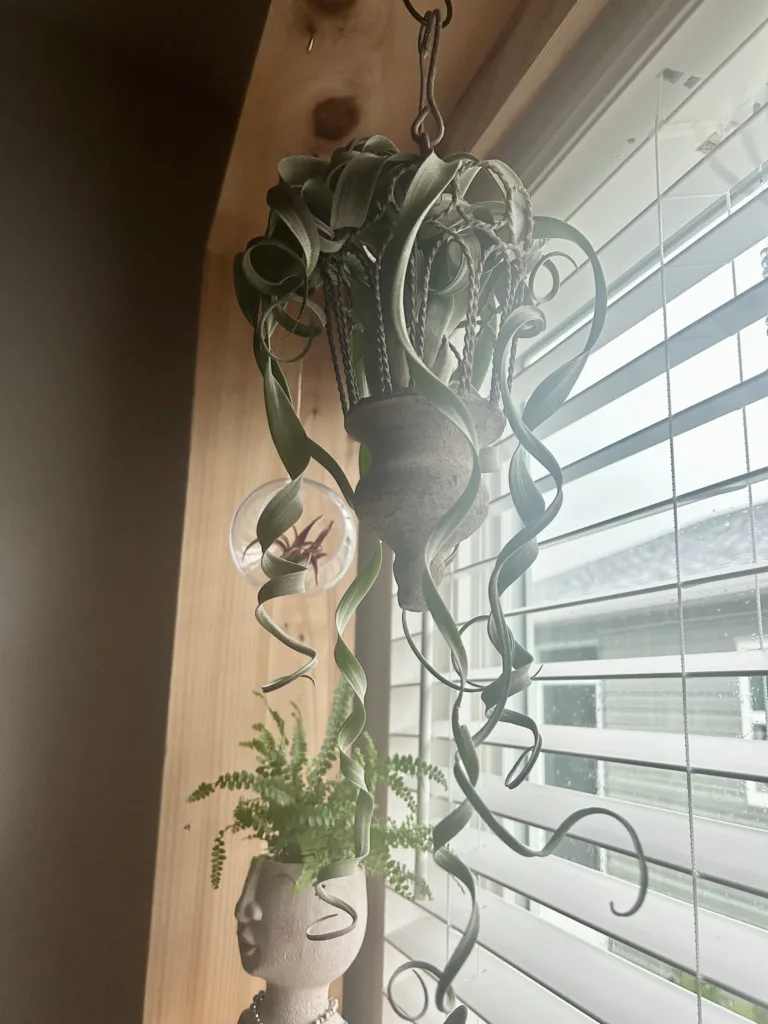
Large air plant
Large Air Plant

Happy Gardening!

In conclusion, hanging plants are a great way to add charm and unique beauty to your space. And with the above low maintenance hanging plants, you can still enjoy their beauty without much hassle. Just remember to choose the appropriate pot and soil type, water when needed, and ensure that the plant is getting the right amount of light. By following these tips, you can keep your hanging plants flourishing and looking their best.

Please be sure to check out my Gardening Blog Post Page for more tips on all types of gardening. Including Seed Saving, Seed Starting, Orchids, Water Gardening, Coldframe Gardening, Indoor Bulb Gardening, Hydroponics, Container Gardening, Mums, Herbs, African Violets, planting Bulbs, Flower Gardening, Vegetable and Fruit Gardening, Indoor Houseplants of all kinds, Cactus, Succulents, Hanging plants, Deer resistant plants and even Bird, Bee, Butterfly and Hummingbird Gardens!
Low Light Hanging Plants

Do envy all the lush and vibrant hanging plants you see adorning ceilings around other people’s homes and businesses? Now, however, it’s time for your turn to bring some of that greenery into your low-light space. Don’t let restricted light keep you from enjoying a thriving garden indoors; there are plenty of options when it comes to low-light plants that can live modestly in a hanging basket. In this post, we cover everything you need to know about selecting the best type of plant for your indoor horticulture needs, including soil/fertilizer requirements. Ready to get growing with low-light hanging baskets? Read on!

Introducing Low Light Plants – An Easy Way to Beautify Your Home

Are you tired of looking at dull and lifeless corners in your home? Introducing low-light hanging plants – the perfect solution to beautify your space without requiring much sunlight! Not everyone has access to ample natural light, but that doesn’t mean you have to compromise on greenery. Low-light hanging plants are an easy way to elevate your interior decor while adding some much-needed greenery to your living space. From ferns to pothos, there’s a range of plants that thrive in low light conditions, making them perfect for indoor gardening. Not only do they require minimal care, but these plants also purify the air and create a tranquil environment. So bring some life into your dull space with these easy-to-care-for plants!

What are the Best Types of Plants for Low Light Hanging Baskets

As a gardener, I understand how frustrating it can be to choose the right plants for low-light hanging baskets. But fear not, there are plenty of beautiful and thriving plants that can make your hanging baskets come to life. Some of the best low-light plants for hanging baskets include ferns, pothos, spider plants, and cascading ivies. Each of these plants does well in low light and requires minimum maintenance, making them perfect for those who are short on time or who are new to gardening. With these plants, you can create gorgeous hanging baskets or even decorative resin pot that will add a touch of greenery to any space.

Considerations When Choosing a Pot and Soil Type for Low Light Plants

As a green thumb enthusiast, I am always excited about adding more plants to my collection. If you’re like me and looking to spruce up your home or office with some low-light hanging plants, there are a few things to keep in mind. One important aspect to consider is the type of pot you’ll be using. For hanging plants, it’s best to opt for lightweight materials such as plastic or these unique pothead planters.

These materials make it easier to move your plant around and prevent any accidents from happening. Additionally, don’t forget to select the right soil type for your plant. Low-light plants tend to grow slower and therefore don’t need as much fertilizer. A soil mix with higher organic matter is optimal, as it will provide the necessary nutrients without overfeeding your plant. By paying attention to details like pot and soil type, you can ensure that your low-light hanging plants thrive and are a beautiful addition to your space.

How to Fertilize Low-Light Hanging Plants

Low-light hanging plants can be a beautiful addition to any space, but they can be a bit tricky to care for. One of the most important things to remember when fertilizing these plants is to choose the right fertilizer type. Look for a fertilizer that is specifically designed for low-light plants, as these formulas will contain the appropriate nutrients that these types of plants need. It’s also important to use a slow-release fertilizer, which will provide your plants with a steady supply of nutrients over time. To apply the fertilizer, simply dilute it with water according to the instructions on the package and use a watering can to apply it to the soil. With the right fertilizer and a little bit of care, your low-light hanging plants will thrive for years to come.

Tips to Maintain Healthy Low-Light Plants

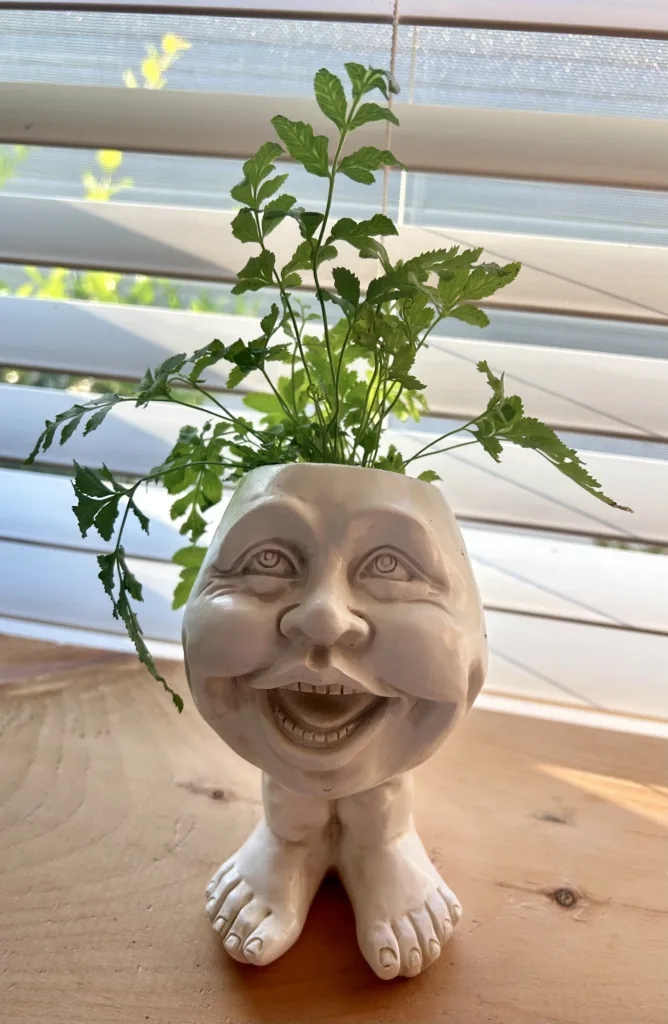
Tell me he doesn’t make you smile!!

As a seasoned gardener, I know how difficult it can be to find the right low-light plant that not only thrives but is also easy to maintain. Luckily, with a few simple tips, you can keep your hanging plants healthy all year round. First, make sure to choose plants that are specifically suited for low-light environments, such as Ferns, Spider Plants, Devil’s Ivy, or Pothos. These types of plants are known for their adaptability and resilience, making them perfect for low-light conditions. Another helpful tip is to water your hanging plants sparingly, as overwatering can lead to root rot. Instead, check the moisture level of the soil and only water when it’s dry to the touch. By following these tips, you’ll have gorgeous, healthy low-light hanging plants in no time!

Common Problems & Solutions for Low Light Hanging Plants

Are you struggling to keep your low-light hanging plants thriving? Don’t worry, because you’re not alone. One of the most common problems with these plants is getting enough light, but there are solutions to this problem. One solution is to place the plants near a window that gets indirect sunlight, or you can use LED grow lights to give them the light they need. Another common issue is overwatering, which can lead to root rot. To prevent this, make sure you’re letting the soil dry out a bit before giving your plants another drink. By following these simple solutions, you can keep your low-light hanging plants healthy and vibrant for years to come.

Happy Gardening!!

Low Light-hanging plants are an easy way to bring beauty into your home without a great deal of effort. While there is certainly some research and trial and error involved in finding out which plants thrive in low light, choosing the right pot and soil, and fertilization schedule, it doesn’t have to be complicated and soon you’ll be reaping the rewards. If you take the appropriate care with your selections of plants, potting mix, soil type, and fertilizer – your new low-light houseplants will flourish!

Plus, no one needs to know that you didn’t spend days in a greenhouse selecting plants or shopping for the perfect decorative planters – unless you want them to! Armed with this knowledge your indoor garden can be flourishing year-round! Fancy foliage can add a designer touch even in corners where another décor would never work. So if you’re looking for some gorgeous greenery in those dark corners of your home or workspace then try creating a hanging or container garden with low-light houseplants today!

Please be sure to check out my Gardening Blog Post Page for more tips on all types of gardening. Including Seed Saving, Seed Starting, Orchids, Water Gardening, Coldframe Gardening, Indoor Bulb Gardening, Hydroponics, Container Gardening, Mums, Herbs, African Violets, planting Bulbs, Flower Gardening, Vegetable and Fruit Gardening, Indoor Houseplants of all kinds, Cactus, Succulents, Hanging plants, Deer resistant plants and even Bird, Bee, Butterfly and Hummingbird Gardens!