Begonia Hanging Basket

Begonia Hanging Basket, as begonias are one of the most popular plants for hanging baskets due to their cascading growth and variety of colors. These beauties can add a touch of brightness to any garden or balcony with their delicate blooms and foliage. However, caring for begonia hanging baskets can be a bit challenging, especially for amateur gardeners. In this article, we will provide you with a comprehensive guide on how to care for begonia hanging baskets, including the best pots, soil type, water requirements, light needs, pruning, and propagation tips.

Best Pot for Begonia Hanging Basket

When it comes to hanging begonia baskets, picking the right pot is crucial. Hanging baskets need to have suitable drainage and be large enough to accommodate the plant’s root system and allow growth. We recommend selecting plastic or wire hanging baskets. Plastic pots are lightweight and easy to clean, while woven and wire baskets are more decorative and allow better drainage.

Soil Requirements

Begonias typically prefer a well-draining soil mix, and hanging baskets are not an exception. We recommend using a soil mix that contains peat moss, perlite, or vermiculite. These components will ensure good drainage and also help retain moisture. While filling the pot, make sure to leave some space at the top to avoid water spillage.

Watering your Begonia Hanging Basket

It’s essential to keep a consistent watering schedule when growing begonias in hanging baskets. Drying out the soil entirely can cause the plant to wilt and even die. On the other hand, overwatering can lead to root rot and fungal diseases. In general, the soil should be kept moist, and it’s better to water the plant early in the morning or late in the afternoon when it’s cooler.

Light Requirements

Begonias thrive in a partially shaded area, making them perfect for hanging baskets that receive a few hours of direct sunlight daily. However, it’s essential to avoid placing the plant in the vicinity of hot, direct sunlight, as it can cause scorching of the leaves. If you plan to keep the plant indoors, a well-lit, bright spot is ideal for begonia hanging baskets.

Pruning and Propagation of Begonia Hanging Basket

To encourage healthy growth, it’s essential to prune back any leggy or diseased stems regularly. Regular deadheading can also stimulate more blooms. Begonias are prone to pests and diseases, so it’s essential to keep a lookout for any signs of fungal diseases or pests like spider mites. Propagation of begonias is through stem cuttings, which can be taken early in the spring when new growth is emerging.

Happy Gardening!

Growing a healthy and beautiful begonia hanging basket requires a bit of care and effort, but the results are worth it. Picking the right pot, soil, watering schedule, and light requirements all play an integral part in ensuring the plant’s success. Pruning and propagating can help maintain a healthy plant, and regular inspection can keep diseases and pests at bay. Adding begonia hanging baskets to your garden can bring a stunning splash of color and a touch of classic elegance. With these simple tips, we hope you can successfully care for your begonia hanging baskets and enjoy their beauty for years to come!

Please be sure to check out my Gardening Blog Post Page for more tips on all types of gardening. Including Seed Saving, Seed Starting, Orchids, Water Gardening, Coldframe Gardening, Indoor Bulb Gardening, Hydroponics, Container Gardening, Mums, Herbs, African Violets, planting Bulbs, Flower Gardening, Vegetable and Fruit Gardening, Indoor Houseplants of all kinds, Cactus, Succulents, Hanging plants, Deer resistant plants and even Bird, Bee, Butterfly and Hummingbird Gardens!
Flowering Hanging Baskets

Flowering hanging baskets
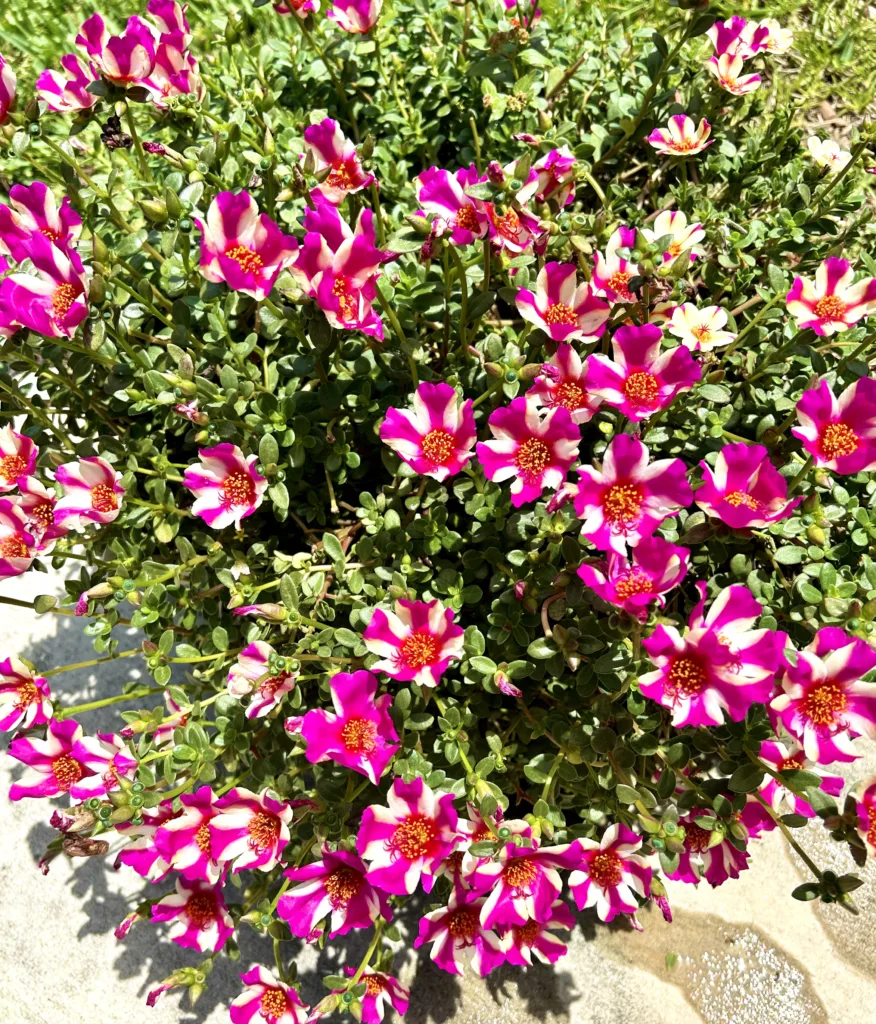
My beautiful striped Portulaca!

When you’re looking for a way to bring some extra life and color to your garden, flowering hanging baskets are the ideal choice. Whether adorned with petunias, begonias, or fuchsias – the many types of suitable plants make it possible to choose the right mix of beauty and balance for any size garden. Aside from providing beautiful decoration, these plants can help attract pollinators too! While flowers like pansies bloom in cooler climates during spring and winter months while they may need extra protection against certain weather patterns, other varieties like lush tropical impatiens will provide color all season long. Knowing which type of flower works best when creating a hanging basket is essential so let’s take a look at what options are now available.

What You Need to Know Before Buying Flowering Hanging Baskets

Before purchasing flowering hanging baskets, it’s important to consider a few things to ensure they thrive in your home or outdoor space. First, determine the light requirements of your chosen plants, as some prefer full sun while others thrive in the shade. Read the tags on the hanging baskets as they will let you know their light requirements. Consider the climate in your area, as extreme temperatures or weather conditions may harm your blooming beauties. Another factor to consider is the amount of water and fertilizer necessary for your plants – some require more frequent watering and feeding than others. Lastly, choose a hanging basket that complements the style and aesthetic of your space. With these factors in mind, you can ensure that your flowering hanging baskets will flourish and add beauty to your surroundings.

Flower Basket

If you’re looking to add some floral beauty to your home or garden, flowering hanging baskets are a must-have. But choosing the right types of plants that will thrive in these displays can be a challenge. Some of the best options include wave petunias, fuchsia, ivy geraniums, and verbena. Petunias come in a range of colors and bloom profusely all summer, while fuchsia’s unique, drooping flowers add an elegant touch. Ivy geraniums are low-maintenance and produce an abundance of blooms throughout the season, and Verbena’s cascading growth and colorful blooms make them the perfect choice for hanging containers, and as a bonus butterflies love Verbena’s! By selecting the right plants for your flowering hanging baskets, you can create a stunning display that will add color and charm to your space.

How to Choose the Right Color Combination for Your Hanging Baskets

When it comes to choosing the right color combination for your hanging baskets, the options can be overwhelming. However, with a little bit of knowledge about color theory, you can create beautiful and balanced arrangements that will be sure to impress. Firstly, consider the color wheel and pair complementary colors, such as reds and greens, or use analogous colors, such as blues and purples, for a harmonious blend. Secondly, think about the space where your baskets will hang and the colors that will complement the surrounding environment. Lastly, don’t be afraid to experiment with different colors and combinations until you find the perfect arrangement for your hanging baskets.

Tips on How to Care For Flowering Hanging Baskets

Flowering hanging baskets are a beautiful addition to any outdoor space, but they do require some care to maintain their vibrant colors and blooms. To start, make sure they are in a spot that receives the appropriate amount of sunlight and shade for the particular plants in your basket. Watering is crucial, but be careful not to overwater as this can lead to root rot. Deadheading, or removing dead flowers, will encourage new growth and extended blooming periods. Fertilizing regularly with well-balanced plant food, my favorite is Miracle Grow. This can help keep your hanging basket healthy and happy. With a little attention and care, your flowering hanging basket will be the envy of all the neighbors.

DIY Ideas to Make Your Flowering Hanging Basket

Creating your flowering hanging basket can be a fun and fulfilling DIY project. Using a variety of colorful and fragrant plants, you can design a hanging basket that will add charm and beauty to your outdoor space. Choose plants that are suitable for your climate and the amount of sunlight your hanging basket will receive. Consider combining trailing plants with upright plants for a balanced look, and don’t forget to add some trailing foliage for a lush effect. With a little bit of creativity and some basic gardening skills, you can enjoy a stunning flowering hanging basket that you can be proud to display.

Ideas on Where To Hang Flowering Hanging Baskets in Your Home or Garden

Flowering hanging baskets are a beautiful addition to any home or garden. Not only do they add color and vibrancy, but they can also be hung in various places to achieve different effects. Hanging baskets are ideal for small spaces as they do not take up much room. Some suitable places to hang them include balconies, windows, eaves, and porch railings. For larger gardens, hanging baskets can be placed on stands or shepherd hooks to create a more dramatic effect. Additionally, hanging baskets can be placed in strategic positions to highlight particular features in the garden, such as a gazebo or water feature. With a bit of planning, creativity, and the right location, flowering hanging baskets can add a beautiful touch to any home or garden.

Happy Gardening!

In conclusion, Flowering hanging baskets are an excellent way to bring some added beauty and color to any home or garden. With the right combination of plants and colors, you can create a stunning display that will bring delight for years to come. There’s so much to consider when buying flowering hanging baskets, from what types of plants work best in them to how to care for them once they’re hanging. Fortunately, we’ve provided all the information you need in this article as well as some DIY tips and ideas on where to hang your baskets. So what are you waiting for? Start creating your beautiful hanging baskets today!

Please be sure to check out my Gardening Blog Post Page for more tips on all types of gardening. Including Seed Starting, Orchids, Water Gardening, Coldframe Gardening, Indoor Bulb Gardening, Hydroponics, Container Gardening, Mums, Herbs, African Violets, planting Bulbs, Flower Gardening, Vegetable and Fruit Gardening, Indoor Houseplants of all kinds, Cactus, Succulents, Hanging plants, Deer resistant plants and even Bird, Bee, Butterfly and Hummingbird Gardens!