
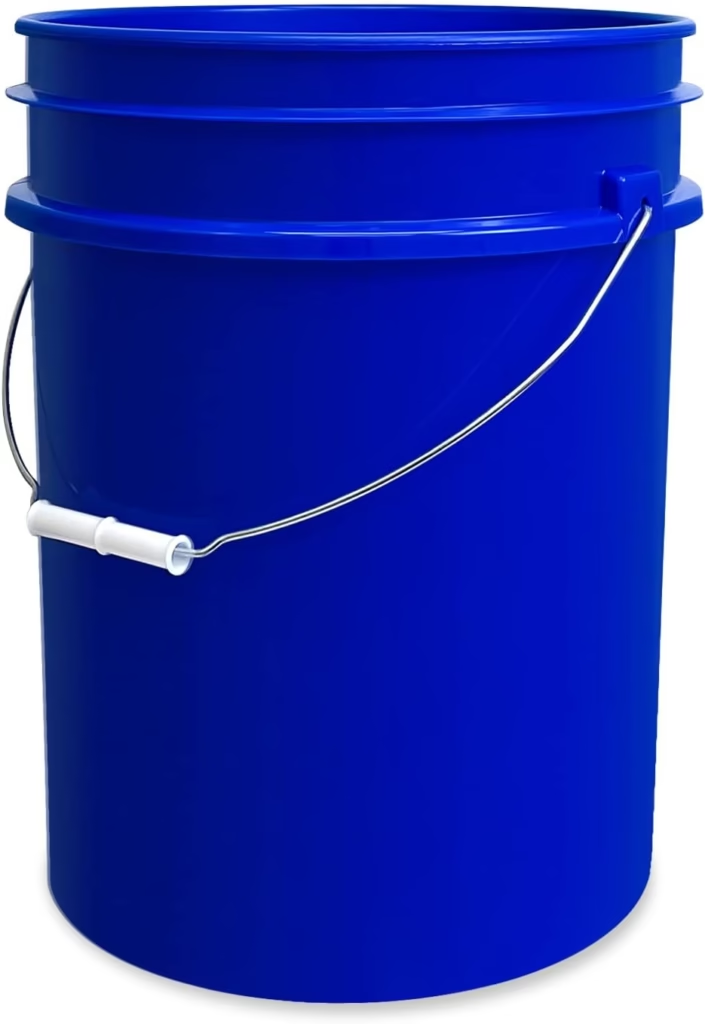
Growing collard greens in 5-gallon buckets is a great way to enjoy fresh, homegrown greens, even in small spaces. This method allows for easy mobility, soil control, and a manageable gardening experience. With the right techniques, you can produce a healthy crop of collard greens right on your patio or balcony.
Best Collard Greens Varieties for Bucket Gardening
Not all collard greens grow the same way, so choosing the best variety for container gardening ensures success. Some of the best options include:
- Georgia Southern – A popular, heat-tolerant variety with large, tender leaves.
- Vates – A slow-bolting variety that produces compact plants with dark green leaves.
- Champion – Known for its cold resistance and high yield.
- Morris Heading – Features crinkled leaves and a mild flavor, ideal for cooking.
These varieties thrive in containers and produce steady growth throughout the season.
How Many Seeds or Plants Per Bucket?
A 5-gallon bucket provides enough space for one collard green plant. If starting from seed, plant three to four seeds in the center of the bucket, then thin them out to leave the strongest seedling. If using transplants, place one healthy plant per bucket to ensure enough room for root expansion and leaf growth.
Choosing the Right Soil
Collard greens thrive in rich, well-draining soil. Use a high-quality potting mix that contains compost or aged manure. A mix with peat moss, perlite, and vermiculite works well to retain moisture while allowing proper drainage. Adding a handful of organic compost to the mix provides extra nutrients for steady growth.
Sunlight Requirements
Collard greens need at least six hours of direct sunlight daily. Placing your buckets in a sunny location, such as a balcony or patio, ensures strong, leafy growth. If growing in a shaded area, consider moving the buckets throughout the day to follow the sun.
Watering Needs
Consistent moisture is key to growing healthy collard greens. Water deeply when the top inch of soil feels dry, usually every two to three days. In hot weather, check the soil daily to prevent drying out. Avoid overwatering, as soggy soil can lead to root rot. Using buckets with drainage holes helps prevent excess water buildup.
Fertilizing for Maximum Growth
Collard greens benefit from regular feeding. Use a balanced fertilizer 10-10-10 every two to three weeks to promote lush growth. Organic options like fish emulsion, compost tea, or liquid seaweed provide steady nutrition without harsh chemicals. Applying a layer of compost around the plant base also enriches the soil and encourages strong development.
Common Problems and How to Fix Them
Growing collard greens in buckets minimizes many issues, but a few problems may still arise. Here’s how to handle them:
Pest Issues
- Aphids – These tiny insects suck plant sap, causing curling leaves. Spray plants with a mixture of water and dish soap or introduce beneficial insects like ladybugs.
- Cabbage loopers and caterpillars – These pests chew large holes in leaves. Pick them off by hand or use organic neem oil to prevent infestations.
- Flea beetles – Small holes in leaves indicate flea beetles. Use floating row covers or sprinkle diatomaceous earth on the soil surface.
Yellowing Leaves
If collard leaves turn yellow, it could indicate nutrient deficiency, overwatering, or pests. Check soil moisture and adjust watering. Apply an organic nitrogen-rich fertilizer, like blood meal, to boost growth. Inspect the undersides of leaves for pests and treat as needed.
Bolting (Premature Flowering)
High temperatures and prolonged daylight can cause collard greens to bolt, making the leaves bitter. To prevent bolting, provide afternoon shade during hot weather and keep the soil evenly moist. Mulching around the base helps regulate soil temperature.
Harvesting Collard Greens
Collard greens can be harvested within 60-80 days after planting. Pick the outer leaves first, allowing the inner leaves to continue growing. Regular harvesting encourages new growth and extends the harvest season. For the best flavor, harvest leaves in the morning before the sun intensifies.
Final Thoughts
Growing collard greens in 5-gallon buckets is a simple and rewarding way to enjoy fresh greens at home. By selecting the right variety, maintaining proper soil conditions, and providing adequate water and nutrients, you can grow a thriving crop. Addressing common problems early ensures a continuous harvest throughout the season. With these steps, you’ll have delicious, homegrown collard greens right at your fingertips.
Please be sure to check out my Gardening Blog Post Page for more tips on all types of gardening. Including Seed Saving, Seed Starting, Orchids, Water Gardening, Coldframe Gardening, Indoor Bulb Gardening, Hydroponics, Container Gardening, Mums, Herbs, African Violets, planting Bulbs, Flower Gardening, Vegetable and Fruit Gardening, Indoor Houseplants of all kinds, Cactus, Succulents, Hanging plants, Deer resistant plants and even Bird, Bee, Butterfly and Hummingbird Gardens!