
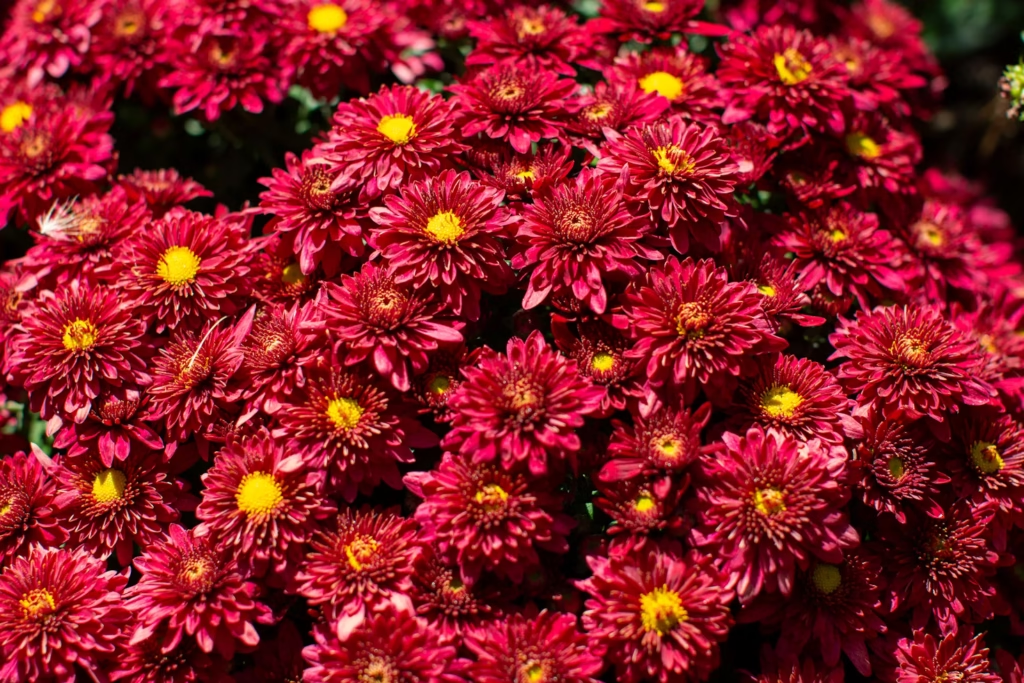
Garden mums, also known as chrysanthemums, are a staple of fall gardens. Their vibrant blooms fill outdoor spaces with color long after most summer flowers fade. Whether you grow them in the ground or in pots, garden mums are surprisingly easy to care for when planted correctly. Let’s explore everything you need to know—from soil preparation to overwintering—to help your mums thrive year after year.
Understanding Garden Mums
Garden mums (Chrysanthemum morifolium) are hardy perennials that bloom in late summer through fall. They come in a variety of shapes, sizes, and colors, including shades of yellow, orange, red, pink, and white. Unlike florist mums, which are bred for indoor decoration, garden mums are grown to survive outside with proper care.
Their dense foliage and bushy growth make them excellent choices for garden borders, containers, or mass plantings. Because they’re so versatile, you can easily mix them into existing beds or use them as stand-alone features in decorative pots.
Choosing the Right Type of Garden Mum
There are two main types of mums: garden mums and florist mums. Understanding the difference helps ensure long-lasting success.
- Garden mums are hardy and can survive winters in many regions if planted early enough. They have thicker stems, more compact growth, and a wider root system.
- Florist mums, on the other hand, are bred for temporary indoor use. Their roots are not hardy, and they typically don’t survive frost or overwintering outdoors.
If you want reliable outdoor plants, always choose garden mums. Popular garden mum varieties include:
- ‘Clara Curtis’ – soft pink blooms with yellow centers.
- ‘Matchsticks’ – striking yellow petals with red tips.
- ‘Sheffield Pink’ – classic pink daisy-style flowers.
- ‘Hillside Sheffield’ – a hardy, late-blooming mum with peach-pink flowers.
Each variety brings unique colors and bloom shapes, allowing you to mix and match for a full fall display.
How to Prepare the Soil
Healthy soil is the foundation of strong, blooming mums. Before planting, loosen the soil about 8 to 12 inches deep. Garden mums prefer well-draining, fertile soil with a slightly acidic to neutral pH (around 6.5).
Add organic matter, such as compost or aged manure, to enrich the soil and improve drainage. If your soil is heavy clay, mix in sand or perlite to create better airflow and prevent root rot. For pots, use a high-quality potting mix formulated for flowers rather than garden soil, which can compact easily in containers.
Once the soil is ready, you’ll have an ideal environment for healthy root development and vibrant blooms.
Where and When to Plant Garden Mums
Timing and placement are key to healthy garden mums. For best results, plant mums in spring or early summer, giving them plenty of time to establish deep roots before cold weather arrives. While you can plant mums in fall, those planted late in the season often don’t survive winter because their roots haven’t had time to anchor.
Choose a sunny location, as mums need at least 6 hours of full sunlight per day. Too much shade leads to weak stems and fewer flowers. Good air circulation also helps prevent fungal issues.
When planting in the ground, space mums about 18 to 24 inches apart to allow air movement between plants. For container mums, select pots that are at least 12 inches wide with drainage holes to prevent waterlogging.
How to Plant Garden Mums in the Ground
Planting mums in the ground is simple but must be done correctly to encourage healthy growth. Follow these steps:
- Dig a hole twice as wide and just as deep as the root ball.
- Place the plant so the top of the root ball is level with the soil surface.
- Backfill the hole, gently firming the soil around the roots.
- Water thoroughly to settle the soil and remove air pockets.
After planting, add a layer of mulch around the base to help retain moisture and regulate temperature. Avoid piling mulch directly against the stems, as this can lead to rot.
How to Grow Mums in Pots
Mums grow beautifully in containers, making them perfect for patios, porches, or balconies. Choose pots with drainage holes and use a lightweight, moisture-retaining potting mix.
Place the pot in a sunny spot where it gets at least 6 hours of light daily. Water the soil when the top inch feels dry, but never let the pot sit in standing water. Container mums can dry out faster than garden-planted ones, so check them frequently, especially during hot, dry weather.
You can group pots of different colors and sizes for an eye-catching fall display or mix mums with ornamental kale and pumpkins for a festive seasonal look.
Watering and Fertilizing Garden Mums
Proper watering and feeding keep your mums lush and full of blooms. Mums prefer consistently moist soil, but they dislike soggy conditions. Water deeply whenever the top inch of soil feels dry. Early morning watering is best, as it allows leaves to dry before evening and reduces the risk of disease.
During the growing season, apply a balanced, water-soluble fertilizer (like 10-10-10) every 2 to 4 weeks. Stop fertilizing once buds form, as too much nitrogen at this stage can lead to more leaves and fewer flowers.
Mulching around the plants helps maintain steady soil moisture and prevents weeds from competing for nutrients.
How to Prune and Pinch Garden Mums
To keep your mums bushy and full, pinch them back in early summer. Once new shoots are about 6 inches tall, pinch off the top inch of each stem. Repeat this every 3 to 4 weeks until mid-July. This encourages branching and more blooms later in the season.
Avoid pinching after July, as it can delay blooming into cold weather. Once your mums start flowering, simply remove spent blooms to encourage continuous flowering and keep the plant looking tidy.
Propagating Garden Mums
Propagating mums is an easy and rewarding way to grow more plants. You can start new mums through cuttings or division.
For cuttings, take 3- to 4-inch tips from new growth in spring. Remove the lower leaves and place the cuttings in moist potting mix. Keep them in bright, indirect light until roots form in about 2 to 3 weeks.
For division, dig up mature plants in spring before new growth begins. Use a sharp knife or spade to divide the root clump into smaller sections, each with several shoots and roots. Replant immediately in prepared soil or containers.
How to Overwinter Garden Mums
Overwintering is crucial if you want your mums to return next year. Once the first hard frost arrives, cut the plants back to about 3 to 4 inches above the ground. Add a thick layer of mulch or straw over the root area to protect it from freezing temperatures.
If your winters are harsh, consider digging up potted mums and storing them indoors in a cool, dark place such as a garage or basement. Water occasionally to keep the soil slightly damp, but don’t let it stay wet. In spring, remove the mulch, trim away any dead growth, and watch your mums come back to life.
Common Problems and Solutions
Mums are generally hardy, but they can face a few common issues. Aphids and spider mites sometimes feed on the leaves, so spray with insecticidal soap if you notice damage. Powdery mildew can appear in humid conditions; ensure good air circulation and avoid overhead watering to prevent it.
If your mums fail to bloom, they may not be getting enough sunlight or were pinched too late in the season. Adjust these factors, and your plants will likely recover.
Enjoying Your Mums Year After Year
Garden mums are more than just fall decorations—they’re durable perennials that can bring beauty to your garden for years with the right care. By planting them in rich, well-drained soil, giving them plenty of sunlight, and protecting them during winter, you’ll enjoy bright, colorful blooms every autumn.
Whether planted in garden beds or cheerful pots, mums reward your efforts with stunning color and long-lasting charm that makes the fall season even more special.
Please be sure to check out my Gardening Blog Post Page for more tips on all types of gardening. Including Seed Saving, Seed Starting, Orchids, Water Gardening, Coldframe Gardening, Indoor Bulb Gardening, Hydroponics, Container Gardening, Mums, Herbs, African Violets, planting Bulbs, Flower Gardening, Vegetable and Fruit Gardening, Indoor Houseplants of all kinds, Bonsai, Cactus, Succulents, Hanging plants, Deer resistant plants and even Bird, Bee, Butterfly and Hummingbird Gardens!