
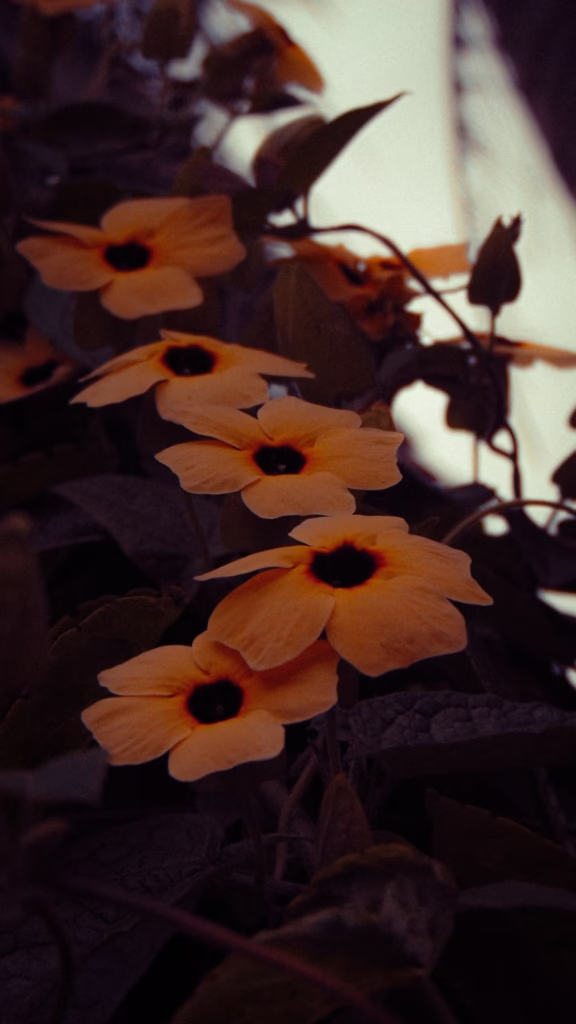
The black-eyed Susan vine (Thunbergia alata) is a fast-growing, flowering climber that produces bright yellow, orange, or white blooms with dark centers. It thrives in warm climates but can grow as an annual in cooler zones. To keep your vine healthy and blooming, it’s important to understand its care needs based on your growing zone, soil preparation, light requirements, planting methods, fertilization, and winter care.
Growing Black-Eyed Susan Vine by USDA Zone
Black-eyed Susan vine grows best in USDA hardiness zones 9–11 as a perennial. In zones 3–8, it grows as an annual unless brought indoors during winter.
- Zones 9–11: This vine thrives year-round with warm temperatures and mild winters. It can be planted directly in the ground or in containers.
- Zones 3–8: In colder regions, it grows well during spring and summer but will not survive frost. Many gardeners plant it in containers so they can move it indoors before winter.
- Zones 7–8: With mild winters, this vine may survive as a perennial if heavily mulched and protected from frost.
Preparing Soil for Black-Eyed Susan Vine
For strong growth and abundant blooms, black-eyed Susan vine needs well-draining, nutrient-rich soil. Start by choosing a planting location with loose, loamy soil that drains well. If your soil is heavy clay, amend it with compost and sand to improve aeration and drainage. A pH level between 6.0 and 7.5 works best.
Before planting, mix in organic matter like compost or aged manure to provide nutrients. A balanced, slow-release fertilizer also helps ensure steady growth throughout the season.
Light Requirements for Black-Eyed Susan Vine
Black-eyed Susan vine flourishes in full sun but tolerates partial shade. For best results, provide at least six hours of direct sunlight per day. In hotter climates, some afternoon shade can help prevent leaf scorch. If you grow the vine indoors, place it near a bright window or use a grow light to ensure proper light exposure.
How to Plant Black-Eyed Susan Vine Seeds
Starting from seed is a great way to grow black-eyed Susan vine. Follow these steps for successful germination:
- When to Plant: Start seeds indoors 6–8 weeks before the last frost date in your area. If planting outdoors, wait until temperatures remain consistently above 60°F (16°C).
- Seed Preparation: Soak seeds overnight in warm water to soften their hard coating and improve germination.
- Planting Depth: Sow seeds about 1/4 inch deep in seed-starting mix or directly in the garden.
- Germination Time: Seeds take 10–21 days to sprout. Keep the soil moist but not soggy.
- Transplanting: Once seedlings develop two sets of true leaves, harden them off before moving them outdoors.
For direct sowing, plant seeds in well-prepared soil after the danger of frost has passed. Space them 6–12 inches apart to allow room for spreading vines.
Fertilizing Black-Eyed Susan Vine
Proper fertilization keeps the vine blooming all season. A balanced fertilizer (10-10-10) works well for overall growth. If you prefer organic options, use compost tea, fish emulsion, or a slow-release organic fertilizer.
- During Early Growth: Apply a nitrogen-rich fertilizer to encourage leafy growth.
- During Flowering: Switch to a phosphorus-heavy fertilizer to boost bloom production.
- Frequency: Feed every 2–4 weeks during active growing months.
Avoid over-fertilizing, as too much nitrogen can lead to excessive foliage with fewer flowers.
Winter Care for Black-Eyed Susan Vine
Winter care depends on your growing zone. Since this vine is frost-sensitive, it requires protection in cooler climates.
- Zones 9–11: In warm climates, black-eyed Susan vine remains evergreen and may continue blooming through winter. Prune lightly to maintain shape and remove dead growth.
- Zones 3–8: Since frost kills the vine, consider bringing it indoors before temperatures drop below 50°F (10°C). Cut back the vine to about 6 inches, then place it in a bright, warm location.
- Overwintering Indoors: Keep the soil slightly moist and provide bright, indirect light. Reduce watering during winter dormancy.
For gardeners who prefer replanting each spring, collect seeds from spent flowers in fall to grow new plants next season.
Final Thoughts
Black-eyed Susan vine is a stunning addition to gardens, trellises, and hanging baskets. With proper soil preparation, sunlight, and fertilization, this vine produces an abundance of cheerful blooms. By understanding its needs based on your zone, you can enjoy its beauty year after year, whether growing it as an annual or perennial. Follow these care tips, and your black-eyed Susan vine will thrive all season long.
Please be sure to check out my Gardening Blog Post Page for more tips on all types of gardening. Including Seed Saving, Seed Starting, Orchids, Water Gardening, Coldframe Gardening, Indoor Bulb Gardening, Hydroponics, Container Gardening, Mums, Herbs, African Violets, planting Bulbs, Flower Gardening, Vegetable and Fruit Gardening, Indoor Houseplants of all kinds, Cactus, Succulents, Hanging plants, Deer resistant plants and even Bird, Bee, Butterfly and Hummingbird Gardens!