
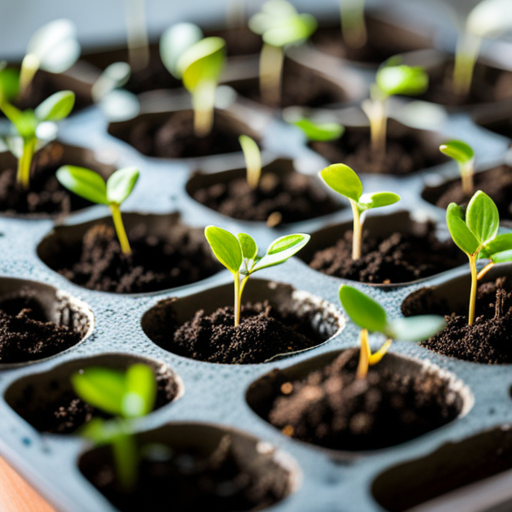
Broccoli is a nutritious and delicious vegetable that is popular in many parts of the world. If you’re a gardening enthusiast and would like to grow your own broccoli, then starting from seeds is a fantastic option. Not only is this a cost-effective method, but you’ll also have a better chance of controlling the quality and taste of your vegetables. In this blog post, we’ll take you through the steps involved in broccoli seed starting, from choosing the right seeds to transplanting your seedlings into your garden.
When to Start Broccoli Indoors by Zone Type
Starting your broccoli seeds indoors is all about timing. You’ll need to count backward from your local last frost date to determine the ideal time to sow your seeds. As a general guideline:
- Zone 2-4: Start your seeds indoors 6-8 weeks before the last expected frost, typically around May to June.
- Zone 5-6: Plant your seeds indoors about 5-7 weeks before the frost-free date, which could be as early as March or as late as May.
- Zone 7-8: Aim to start seeds indoors 4-6 weeks prior to the last frost date, often falling between February and April.
- Zone 9-10: In these warmer climates, you can start your seeds between December and February, about 4-6 weeks before transplanting outside.
Always check your specific local frost dates and adjust your starting times accordingly, to ensure the best start for your broccoli plants.
How to Start Broccoli Seeds Indoors
Starting broccoli seeds indoors is a great way to get a head start on the growing season. By the time spring comes you will have healthy plants to plant in your garden. To begin, you’ll need to select a high-quality, disease-resistant seed variety suited to your local climate.
Prepare Your Containers
Once you’ve selected the appropriate seed variety, the next step is to prepare your containers for planting. Choose containers that are at least 2-3 inches deep and have drainage holes to prevent waterlogging. Be sure to clean your containers to eliminate any pathogens that could harm the seeds. You can also go eco friendly and use containers you have at home like yogurt containers, egg cartons or take out containers but remember to clean them well prior to filling with soil.
Selecting the Best Soil for Seed Starting
The right soil is crucial for the success of your budding broccoli plants. You’ll want to use a seed starting mix, which is typically lighter and more finely textured than regular garden soil. This type of mix promotes good drainage and makes it easier for young roots to grow. Such mixes often contain a combination of peat moss, vermiculite, and perlite, contributing to the ideal balance of moisture retention and aeration. Avoid using soil from your garden as it can contain pathogens or weed seeds that could inhibit the growth of your broccoli seedlings. Commercial seed starting mixes are usually sterile, which protects your seeds from diseases during these critical early stages.
Planting Your Broccoli Seeds
After preparing your containers with the right seed starting mix, it’s time to plant your broccoli seeds. Start by moistening the soil with water, making sure it’s damp but not waterlogged. Sprinkle the seeds lightly over the soil surface, aiming for a spacing of about 2 to 3 inches apart to allow room for growth. Next, cover the seeds with a thin layer of soil—about 1/4 inch thick—just enough to block out light but not so much that the seedlings will struggle to emerge. After seeding, gently press down on the soil to ensure good contact between the seeds and the soil.
Watering Your Broccoli Seeds
Proper watering is critical for the germination of broccoli seeds. The goal is to keep the seed starting mix consistently moist but not soggy, as too much water can lead to fungal diseases such as damping-off. Use a spray bottle to mist the soil surface gently, or water carefully with a small watering can that has a fine sprinkle nozzle to avoid disturbing the seeds and the soil. Ensure that you’re providing a soft shower of water that’s sufficient enough to penetrate the top layer of soil. Monitor the moisture daily, and water as necessary to maintain the ideal conditions for your seeds to sprout successfully.
Providing Warmth and Light to Your Seedlings
Creating the optimal environment for broccoli seedlings is essential for their development. Broccoli seeds require warmth to germinate effectively, with an ideal soil temperature ranging between 65°F to 75°F. A heat mat specifically designed for seed starting can be placed under your containers to maintain a consistent temperature, especially in cooler climates.
Once the seeds have germinated, they need plenty of light to grow strong and healthy. A common challenge when growing seedlings indoors is a lack of natural sunlight, leading to weak, leggy plants. To address this, position your seedlings near a south-facing window to get at least 6 to 8 hours of direct sunlight daily. If sufficient natural light is unavailable, consider using grow lights placed a few inches above the plants. These lights should be left on for about 14 to 16 hours per day, mimicking the long days of summer and should be raised gradually as your plants grow.
Thinning Your Seedlings
Thinning is a critical step in managing your broccoli seedlings to ensure they develop into robust and productive plants. As the seedlings begin to sprout and grow, they may be too crowded. This can hinder their growth by competing for light, space, and nutrients. To thin your seedlings, wait until they have developed their first set of true leaves. These are the second set of leaves that appear after the initial, less distinct seed leaves or cotyledons.
Start the thinning process by selecting the strongest and healthiest looking seedlings to keep. Carefully cut the weaker seedlings at soil level with a pair of scissors. This method is preferable to pulling them out, which can disturb the roots of the remaining plants. Aim to leave about 1 to 2 inches of space between each seedling. The removed seedlings can be composted. Or if they are healthy and strong enough, transplanted into other containers to grow independently. Remember, proper spacing allows for ample airflow, reduces the risk of disease, and provides your broccoli with the room it needs to mature properly.
Hardening Off Your Broccoli Seedlings
Before transplanting your indoor-grown broccoli seedlings outdoors, they must be gradually acclimated to the harsher conditions of the external environment through a process called hardening off. Begin this process about 7-10 days before you plan to transplant them. Each day, take your seedlings outside to a sheltered location where they are protected from strong winds and direct sunlight. Leave them there for a couple of hours, gradually increasing the amount of time they spend outdoors each day. Be sure to bring them back inside if temperatures are expected to drop significantly or if inclement weather threatens.
Transplanting Broccoli Seedlings into Your Garden
When your broccoli seedlings are hardened off and outdoor temperatures are consistently above 50°F, it’s time to transplant them into your garden. Choose an overcast day or late afternoon to prevent the harsh sun from stressing the delicate seedlings. Prepare your garden bed by loosening the soil and adding compost to provide nutrients. Plant the seedlings at the same depth they were growing in their containers. Spacing them about 18 inches apart to allow room for growth. Water the seedlings thoroughly after planting to settle the soil around the roots and to eliminate any air pockets. Continue to monitor water, nutrient levels, and sunlight exposure as your broccoli plants establish themselves. And begin to thrive in their new outdoor environment. Remember to provide a consistent watering schedule, especially during dry spells, to maintain even soil moisture and promote healthy growth.
Happy Veggie Gardening!
Starting broccoli seeds is a fun and rewarding activity that can produce a bountiful harvest of delicious and nutritious vegetables. Ensure that you select the right seeds and provide the best conditions to promote germination and healthy growth. Use the tips we’ve outlined in this blog post to start your broccoli seeds successfully. And enjoy a delicious yield of fresh broccoli from your backyard garden.
Please be sure to check out my Gardening Blog Post Page for more tips on all types of gardening. Including Seed Starting, Orchids, Water Gardening, Coldframe Gardening, Indoor Bulb Gardening, Hydroponics, Container Gardening, Mums, Herbs, African Violets, planting Bulbs, Flower Gardening, Vegetable and Fruit Gardening, Indoor Houseplants of all kinds, Cactus, Succulents, Hanging plants, Deer resistant plants and even Bird, Bee, Butterfly and Hummingbird Gardens!