
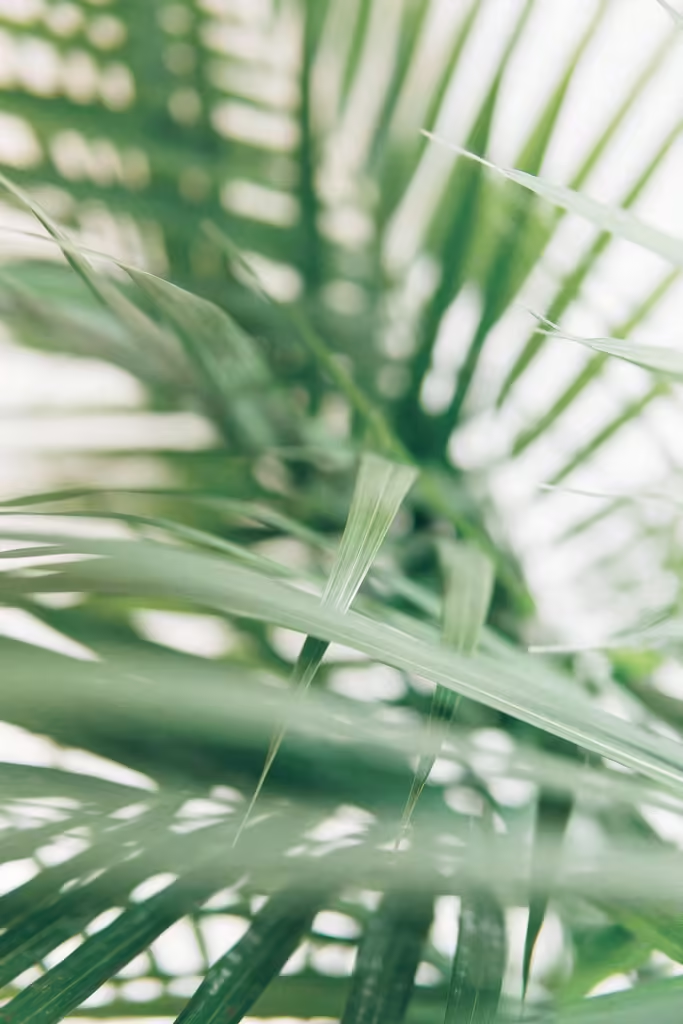
Caring for a bamboo palm, also known as Chamaedorea seifrizii, is a great way to add a tropical feel to your home or office while purifying the air. This low-maintenance plant grows gracefully with slender, green stems and feathery, arching leaves, making it a favorite among indoor gardeners. Hope you enjoy this post on Bamboo Palm plant care. When you know the basics of pot selection, soil, light, watering, fertilizing, pruning, and propagation, you can enjoy a healthy and thriving bamboo palm plant for years to come.
Choosing the Right Pot for Your Bamboo Palm
Selecting the right pot is essential for your bamboo palm’s growth. Choose a pot with good drainage to prevent water from pooling around the roots, which can lead to root rot. A pot with at least one drainage hole works best. Bamboo palms grow fairly slowly, so they don’t require frequent repotting. For a young plant, use a small to medium-sized pot, allowing some space for the roots to spread. Once the palm matures, you can repot it every two to three years into a slightly larger container to accommodate its growth. Using a well-draining pot also makes it easier to control moisture levels, which is key to keeping bamboo palms happy.
The Best Soil for Bamboo Palm Plants
Bamboo palms thrive in rich, well-draining soil that allows roots to receive moisture without becoming waterlogged. Use a standard potting mix with a blend of organic matter like peat or coco coir to enhance moisture retention while still promoting drainage. Adding a bit of sand or perlite to the mix helps create the perfect balance of aeration and drainage. Since bamboo palms grow well in slightly acidic to neutral soil, check that the soil’s pH level falls between 5.5 and 6.5 for optimal results.
Light Requirements for a Bamboo Palm
Light is a crucial factor in bamboo palm care, as too much direct sunlight can scorch the delicate leaves, while too little light can stunt growth. Bamboo palms prefer bright, indirect light, so placing them near a north or east-facing window works well. If natural light is limited, bamboo palms can tolerate low light, but they grow best when exposed to moderate, filtered sunlight for a few hours each day. For rooms without windows or adequate sunlight, you can supplement with a grow light positioned about 12 to 18 inches from the plant. Avoid intense light directly on the leaves to prevent them from becoming discolored or crispy.
Watering Your Bamboo Palm
Watering bamboo palms requires a balance; they need consistent moisture but dislike being overwatered. Check the top inch of soil before watering, and if it feels dry, give the plant a thorough watering. During the warmer months, bamboo palms may need watering once a week, while in cooler months, you can reduce watering to every two weeks or so. Always allow excess water to drain out of the pot, and empty the saucer to prevent the roots from sitting in water. Bamboo palms also enjoy slightly higher humidity levels, so if your indoor air is dry, consider misting the leaves occasionally to prevent browning tips.
Fertilizing Bamboo Palms for Optimal Growth
To keep your bamboo palm lush and green, fertilize it during the growing season, from spring through early fall. Use a balanced, water-soluble fertilizer diluted to half strength, feeding the plant once a month. Avoid over-fertilizing, as bamboo palms are sensitive to salt buildup, which can harm the roots. During the winter months, when the plant’s growth slows down, skip fertilizing to give it a break. If you notice yellowing leaves, this could indicate nutrient deficiencies, so applying a slow-release fertilizer designed for indoor plants can help improve leaf color and overall health.
Pruning Tips for Bamboo Palm
Pruning is essential for keeping your bamboo palm looking neat and healthy. Remove any yellow or brown fronds at the base with a pair of clean, sharp scissors or pruning shears. This will encourage new growth and prevent the plant from expending energy on unhealthy leaves. Regularly check the plant for damaged or dead leaves, as they can attract pests or affect the overall appearance. If your bamboo palm grows too tall or dense for your space, you can trim back the tallest stems to control its height. However, avoid excessive pruning, as bamboo palms rely on their leaves for energy and may suffer if too much foliage is removed at once.
Propagating Bamboo Palm Plants
Propagation of bamboo palms is most successful through division, as these plants are clump-forming and produce new shoots from their base. When you’re ready to propagate, choose a mature plant with several healthy stems. Carefully remove the plant from its pot, being gentle with the roots to avoid damage. Separate the new shoots or offsets, ensuring each division has a few roots attached. Replant each division in its own pot with fresh, well-draining soil, and water lightly to help it settle. Keep the new plants in a bright, indirect light setting and mist them occasionally to support root establishment. Within a few weeks, you’ll see new growth, indicating successful propagation.
Happy Palm Gardening!
Incorporating a bamboo palm into your indoor space not only enhances the visual appeal but also improves air quality. With the right pot, soil, and consistent care, this plant grows steadily and stays vibrant year-round. Bamboo palms are an excellent choice for those who enjoy lush, tropical greenery indoors, and with minimal maintenance, they reward you with beautiful, thriving foliage. Enjoy the process of caring for your bamboo palm and watching it grow into an impressive, lively addition to your home.
Please be sure to check out my Gardening Blog Post Page for more tips on all types of gardening. Including Seed Starting, Orchids, Water Gardening, Coldframe Gardening, Indoor Bulb Gardening, Hydroponics, Container Gardening, Mums, Herbs, African Violets, planting Bulbs, Flower Gardening, Vegetable and Fruit Gardening, Indoor Houseplants of all kinds, Cactus, Succulents, Hanging plants, Deer resistant plants and even Bird, Bee, Butterfly and Hummingbird Gardens!