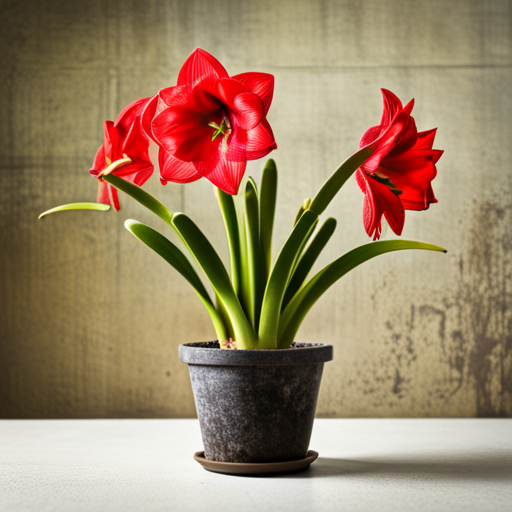
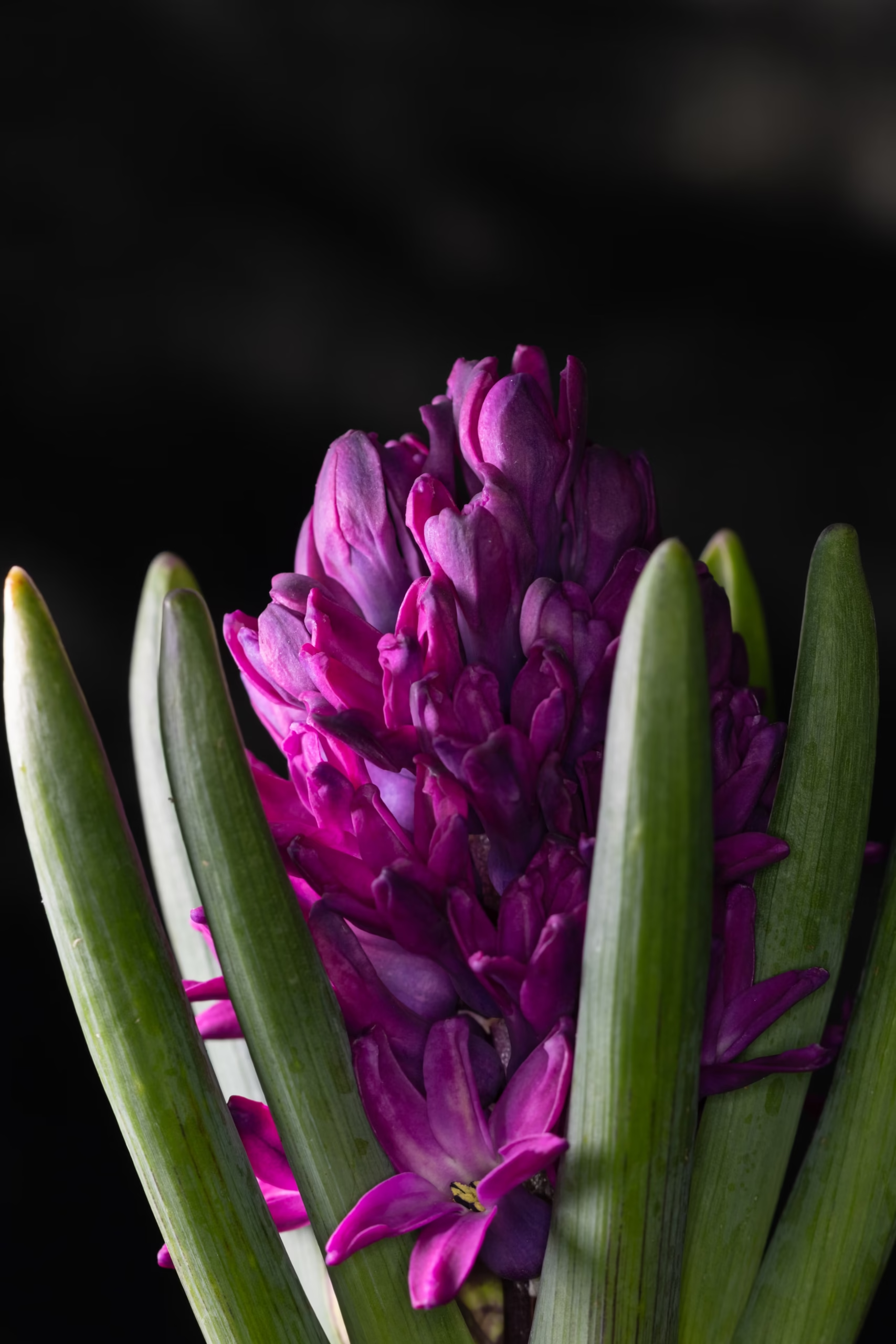
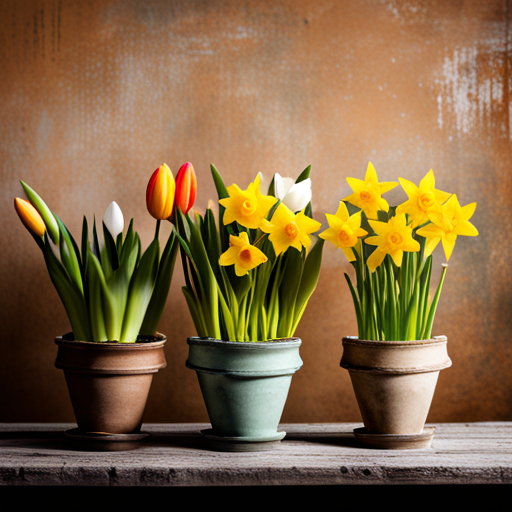
If you’re looking to add some beauty and color to your home during the dreary winter months, planting calla lilies indoors is a great option. These elegant flowers come in a variety of colors and add a touch of sophistication to any space. Plus, they’re surprisingly easy to care for as long as you follow a few simple guidelines. In this post, we’ll cover everything you need to know about planting, growing and calla lilies care indoors during the winter.
Choosing Your Calla Lily Bulb
Selecting the right calla lily bulb is crucial in the planting process. When choosing your bulb, look for one that is firm and free from mold, fungus, or visible damage. A healthy bulb should be plump, not shriveled, and should have a strong, consistent color. The size of the bulb is also important – larger bulbs produce more stems and flowers. Remember to choose a variety of color to add vibrance to your indoor garden.
Choosing the Right Container
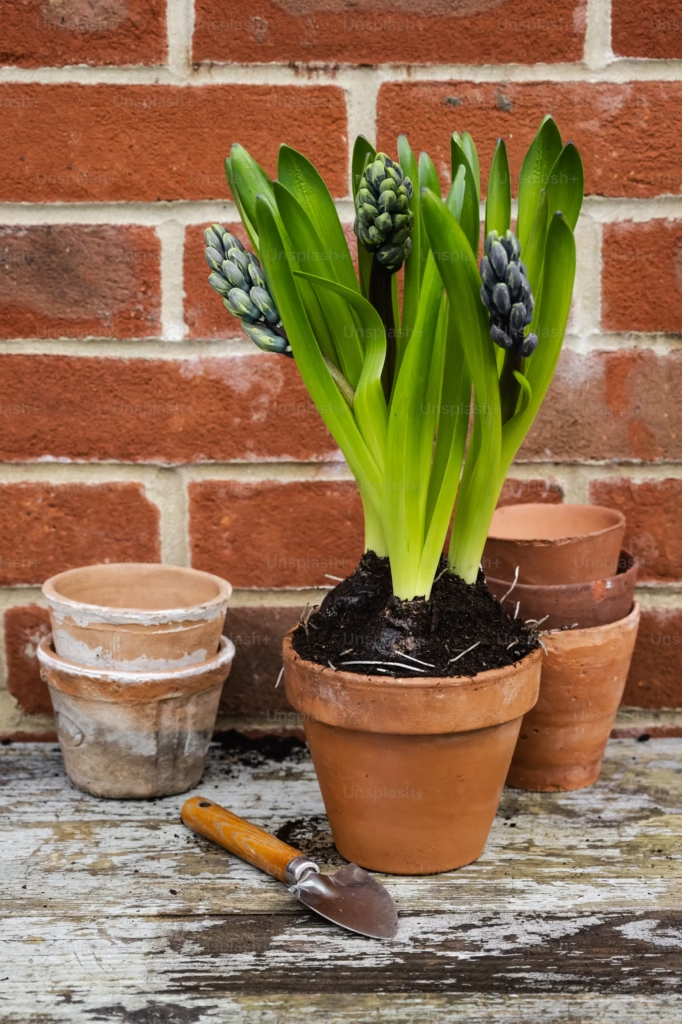
Choosing the correct container for your calla lilies is an essential step in ensuring their healthy growth. Containers should have ample drainage holes to allow excess water to escape, preventing root rot. Ceramic, plastic, or terracotta pots can all be suitable choices, but ensure it is wide and deep enough. Typically, a 10-12 inch deep pot with similar diameter is suitable for most calla lily bulbs. However, if you’re planting multiple bulbs, pick a pot that provides at least one inch of space between each bulb. This will give your calla lilies ample room to grow and flourish indoors during the winter.
Preparing the Soil
The right soil mixture can significantly impact the growth and blooming of your indoor calla lilies. These plants prefer a well-draining soil mix to prevent waterlogging. A good mix can be prepared by blending equal parts of garden soil, peat moss, and perlite or sand. This blend ensures the soil remains light and airy, providing optimal conditions for the roots to expand and absorb nutrients effectively. Garden soil offers essential nutrients, peat moss retains moisture efficiently, and perlite or sand ensures excellent soil drainage. Remember to add a layer of gravel at the bottom of the pot before adding the soil; this will further enhance the drainage and prevent the roots from sitting in water. Once your soil mix is prepared, fill your selected container with it, leaving about one-third of the space empty at the top for planting the bulb.
Planting Your Calla Lily
Once you’ve prepared the soil in your selected container, it’s time to plant your calla lily bulb. Place the bulb gently into the soil with the growth tip facing upwards. The bulb should be planted deep enough so that the top of the bulb is about an inch or two below the soil surface. After positioning the bulb correctly, cover it with the rest of the soil. Water the newly planted bulb lightly, ensuring the soil is not waterlogged but moist. Remember not to overwater as this can lead to bulb and root rot. Post-planting, place your pot in a location that gets plenty of indirect sunlight. Calla Lilies enjoy abundant light but should be protected from direct, harsh sunlight. Ensure the room temperature is maintained between 50 – 75 degrees Fahrenheit as Calla Lilies thrive in cooler indoor temperatures during winter. Once planted, be patient. Your indoor calla lily should begin to sprout leaves in a couple of weeks, and you can anticipate the vibrant flowers to bloom in due time.
Light and Water Needs for Indoor Calla Lilies
Calla Lilies demand specific light and water conditions for optimal growth. When it comes to light, these plants prefer bright, indirect sunlight. Avoid placing them in direct sunlight, which can damage the leaves and flowers. An east or west-facing window is usually a good location for your indoor Calla Lilies. In the absence of natural light, fluorescent light can be a good substitute. Make sure the plant receives about six hours of light each day.
As for watering, Calla Lilies prefer evenly moist soil. You should water your plant thoroughly when the top inch of soil feels dry to the touch. Over-watering can cause bulb and root rot, while under-watering can cause the plant to wither. Make sure the pot drains well to prevent water from standing at the bottom. During winter, you might need to reduce watering slightly due to the cooler temperatures. Also, remember to maintain high humidity, as dry air can cause the tips of the leaves to brown. If your home’s air is particularly dry, you could place your potted plant on a tray filled with pebbles and a little water.
Fertilizer Needs for Indoor Calla Lilies
Just like humans, plants also need a balanced diet to thrive. Calla Lilies are no exception. Fertilize your indoor calla lilies regularly to ensure they receive all the essential nutrients they need. Use a balanced houseplant fertilizer, such as a 10-10-10 or 20-20-20 formulation, and follow the package instructions for dilution rates. Typically, applying once a month during the growing season (spring through early fall) is sufficient. During the winter months, you can reduce the frequency, as the plant’s growth slows down during this time.
When fertilizing, water your plant thoroughly first to prevent root burn, and then apply the fertilizer. Do not apply fertilizer to dry soil. Also, remember not to over-fertilize; too much fertilizer can lead to salt build-up, which can damage the roots and hinder the plant’s growth and blooming. If you notice the leaves turning yellow or brown, or the edges of the leaves getting burnt, it could be a sign of over-fertilization. In such a case, reduce the frequency or quantity of the fertilizer.
Remember, good cultivation practices, including appropriate watering, sufficient light, and regular feeding, will help your calla lilies bloom indoors, brightening up your space even during the coldest winter months.
Caring for Calla Lilies After Blooming
After your Calla Lilies have finished blooming, they will need some additional care to prepare for the next blooming cycle. One of the first things you might notice post-bloom is that the leaves start to yellow and wilt. This is a natural process and is a sign that the plant is entering a dormant period. At this stage, reduce watering and allow the soil to dry out.
When most of the foliage has yellowed, cut the leaves back to just above soil level. Avoid removing the leaves while they are still green as they are still gathering energy for the next growing season.
During the dormancy period, it is also important to reduce the frequency of fertilization. Instead of the monthly schedule, you can switch to fertilizing once every two months or stop altogether until the next growing season begins.
Store the container in a cool, dark place such as a basement or garage where the temperature is consistently between 50-55 degrees Fahrenheit. This dormant period of rest is crucial for the bulbs as it allows them to rejuvenate and prepare for the next growing and blooming phase.
After about two to three months of dormancy, when new growth starts to appear, move the container back to its usual spot where it can receive indirect sunlight, and resume your normal watering and fertilizing schedule. With proper care, your calla lilies should be ready to bloom again, filling your indoor space with their dramatic and stunning blooms.
Growing Calla Lilies in Water Alone
Another unique aspect of Calla Lilies is their ability to grow in water alone, without the need for soil. This hydroponic method of cultivation requires a glass jar or vase, pebbles, and filtered water. Start by cleaning the container thoroughly to avoid any potential diseases or pests. Place a layer of pebbles at the bottom of your container for stability and to facilitate root growth.
Next, place your calla lily bulb on the pebbles, ensuring the growth point is facing upwards. Add more pebbles around and slightly on top of the bulb to secure it, but be careful not to completely cover it. Now, fill the container with filtered water until it reaches just below the bottom of the bulb. The roots will grow into the water, but the bulb itself should not be submerged to avoid rotting.
Position the container in a location with bright but indirect sunlight, and maintain a consistent room temperature between 50 – 75 degrees Fahrenheit. Change the water every couple of weeks to prevent stagnation and the growth of algae. With the proper care and conditions, your water-grown Calla Lilies will soon sprout leaves and eventually, showcase their stunning blooms. This soil-less cultivation method not only simplifies plant maintenance but also adds an elegant and refreshing aesthetic to your indoor space.
Happy Gardening!
Planting and growing calla lilies indoors can add a beautiful touch of elegance to your home during the winter months. Plant them in pots with well-draining soil and make sure they have enough light and water. Don’t forget to regularly fertilize and keep an eye out for pests and diseases. With a little bit of care and patience, you’ll have blooming calla lilies in your home before you know it!
Please be sure to check out my Gardening Blog Post page for more growing tips on Indoor Bulb Gardening, Hydroponic Gardening, Container Gardening, Mums, Herbs, African Violets, bulbs and how to plant them, Flower Gardening, Vegetable and Fruit Gardening, Indoor Houseplants of all kinds, Cactus, Succulents, Hanging plants, Deer resistant plants and even Bird, Bee, Butterfly and Hummingbird Gardens!