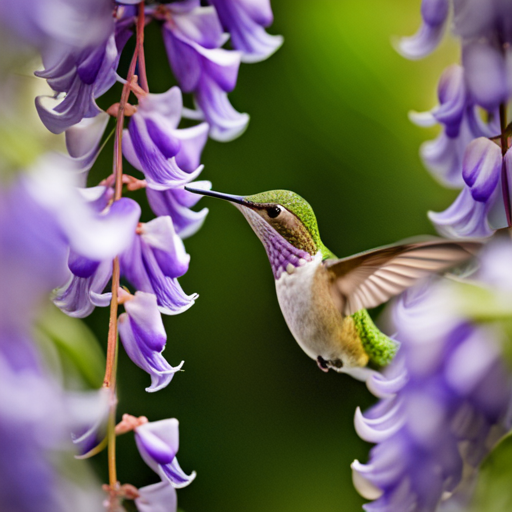
Hanging Plants that Attract Hummingbirds

hanging plants that attract hummingbirds

Hummingbirds are beautiful and unique birds that are known for their magical ability to hover in the air while drinking nectar from flowers. If you’re a gardener, you can easily attract hummingbirds to your garden with hanging plants that attract Hummingbirds. Since they are attracted to bright colors and sweet smells, flowers that hang from baskets can be a great way to lure them in.

Top 5 Hanging Plants that Attract Hummingbirds

In this post, we’ll go over the top 5 hanging plants that attract hummingbirds. We’ll also provide information on pot type, soil type, watering, light requirements, and fertilizer. I love these wire hanging baskets with coir liners for my hanging baskets out in the garden or even on may patios, they have excellent drainage. These can easily be added to your Hummingbird garden.

Fuchsia Hanging Plant

Fuchsia is a popular hanging plant that produces bright, bell-shaped flowers that are perfect for attracting hummingbirds. To grow Fuchsia, you’ll need to use a pot that has good drainage and fill it with well-draining soil. Water the plant thoroughly when the top layer of soil has dried out, and place it in a location that receives about 4-6 hours of sunlight per day. Fuchsia plants thrive in a slightly acidic soil environment, so be sure to fertilize it with an acidic fertilizer every 4-6 weeks.

Trumpet Vine Hanging Plant to attract Hummingbirds

With its vibrant bright orange and red flowers, trumpets vine is an excellent option for attracting hummingbirds. This plant is easy to grow and can even be invasive in some areas, so make sure to keep an eye on it. Use a large pot with good drainage and fill it with well-draining soil. Water it regularly, and place it in full sun as this plant loves the heat. Fertilize with a high-phosphorus fertilizer every 4-6 weeks.

Hanging Plant Labelia

Lobelia is a native plant that produces bright blue, tubular flowers that hummingbirds love. Plant in a large container with good drainage and fill it with well-draining soil. Water it regularly and place it in a location that receives partial shade if possible. Lobelia plants need acidic soil and should be fertilized every few weeks with an acidic fertilizer.

Petunias for Hanging Basket

Petunias are another great hanging plant that can attract hummingbirds with their bright colors. Use a large container with good drainage and fill it with well-draining soil. Petunias love sunshine, so place them in a location that receives full sun exposure. Fertilize with a balanced fertilizer every few weeks to encourage healthy growth and flowering.

Geraniums for Hanging Basket to attract Hummingbirds

Geraniums are a beautiful and versatile plant that can be grown as a trailing plant in a hanging basket. They produce bright red, pink, and white flowers that hummingbirds love. Use a large container with good drainage and well-draining soil. Geraniums thrive in full sun locations, so make sure to place them in a spot that receives at least 6-8 hours of sunlight per day. Fertilize with a balanced fertilizer every few weeks.

Happy Gardening!

In conclusion, attracting hummingbirds to your garden can be easy and fun with the use of hanging plants like Fuchsia, Trumpet Vine, Lobelia, Petunias, and Geraniums. Make sure to use the right pot size and type, fill it with well-draining soil, and water your plants regularly. It’s also important to keep in mind the light requirements and fertilizer needs of each plant. With these tips, you’ll be able to enjoy the beauty and magic of hummingbirds in your garden all summer long.

Please be sure to check out my Gardening Blog Post Page for more tips on all types of gardening. Including Seed Saving, Seed Starting, Orchids, Water Gardening, Coldframe Gardening, Indoor Bulb Gardening, Hydroponics, Container Gardening, Mums, Herbs, African Violets, planting Bulbs, Flower Gardening, Vegetable and Fruit Gardening, Indoor Houseplants of all kinds, Cactus, Succulents, Hanging plants, Deer resistant plants and even Bird, Bee, Butterfly and Hummingbird Gardens!

Strawberry Plants in Hanging Baskets

Are you looking for a unique way to grow fresh strawberries in your garden or patio? Why not try growing strawberry plants in hanging baskets? Not only does this method save space, but it can also add a beautiful pop of color to any outdoor space. But, how do you get started? In this post, we’ll explore the necessary pot type, soil requirements, watering schedule, light needs, and fertilizer involved in growing delicious strawberries in hanging baskets.

Best Pot Type for Strawberry Hanging Basket

First, let’s discuss the pot type. It’s essential to choose the right size and material for your hanging basket. We suggest using a basket that’s at least 12 inches in diameter and made of durable material like plastic. A few other great choices are wire hanging basket with coconut coir liners or hanging grow bags. While traditional terracotta pots may look gorgeous, they’re too heavy for hanging baskets and may crack or break over time.

Soil Requirements

Next on the list, we have soil requirements. Strawberries require well-draining soil to avoid rotting, and hanging baskets are no exception. We recommend a mixture of peat moss, perlite, and vermiculite to promote a balanced pH and proper drainage. If you have poor-quality soil, we suggest mixing in some organic matter like compost to nourish your plants.

Watering your Strawberry Hanging Baskets

When it comes to watering, hanging baskets require more attention than traditional garden beds. The good news is that strawberries thrive when kept slightly moist. However, you must avoid waterlogged soil or allowing the soil to dry completely. We suggest watering your baskets deeply in the morning and allowing them to dry out partially before watering again.

Light Requirements For Strawberry Baskets

Now, let’s discuss the light requirements for your hanging baskets. Strawberries require at least six hours of direct sunlight per day to produce healthy fruit. You must choose a hanging spot that gets enough sunlight, whether that be on a balcony, an outdoor shed, or near a window. Be sure to rotate your hanging baskets every few days to promote even growth and sunlight exposure.

Fertilizing your Strawberry Plants in Hanging Baskets

Lastly, we have fertilizer. Strawberries require frequent feeding during the growing season. We suggest using an all-purpose fertilizer once a week during periods of growth. However, be sure to follow the manufacturer’s instructions carefully, as over-fertilization can lead to root burn or stunted growth.

Happy Gardening!

If you’re looking for a fun and unique way to grow fresh strawberries, consider using hanging baskets. Remember to choose the right pot type and soil mix, water regularly, ensure adequate sunlight exposure, and fertilize frequently. With the correct care and attention, you can enjoy a delicious harvest of juicy and sweet strawberries straight from your hanging baskets.

Please be sure to check out my Gardening Blog Post Page for more tips on all types of gardening. Including Seed Saving, Seed Starting, Orchids, Water Gardening, Coldframe Gardening, Indoor Bulb Gardening, Hydroponics, Container Gardening, Mums, Herbs, African Violets, planting Bulbs, Flower Gardening, Vegetable and Fruit Gardening, Indoor Houseplants of all kinds, Cactus, Succulents, Hanging plants, Deer resistant plants and even Bird, Bee, Butterfly and Hummingbird Gardens!
How to Plant Sunflowers in a Pot

Sunflowers in a pot

Sunflowers are often associated with fields and large outdoor spaces. However, it’s possible to grow sunflowers in pots, even if you are short on garden space. With the right care and attention, you can enjoy the beauty of vibrant sunflowers right on your balcony or windowsill. In this blog post, we will guide you through how to plant sunflowers in a pot, including pot type, soil requirements, watering, light requirements, and fertilizer.

Best Pot Type to plant Sunflowers

First, you will need to choose a pot that will be large enough to accommodate the sunflower’s root system. A good rule of thumb is to choose a pot that is at least 12 inches deep and has a diameter of no less than 18 inches. Make sure the pot has good drainage, as sunflowers do not like to sit in waterlogged soil. It’s best to use a plastic pot with drainage holes instead of terracotta as they retain less moisture.

Soil Requirements

Sunflowers prefer well-draining soil that is rich in organic matter. So, it’s best to use a good quality potting mix that has been blended specifically for container plants. If you’re opting for a homemade soil mix, you will need to mix equal parts of compost, peat moss, and perlite. Avoid using garden soil as this can be dense, making it difficult for the sunflowers to grow properly.

Watering your Sunflowers in Pots

Sunflowers don’t like to be sitting in wet soil, so it’s crucial to water them whilst draining extra drainage water. Water your sunflowers regularly, especially during hot and dry weather, to prevent them from drying out. You can test the soil’s moisture level by inserting your finger 2 inches deep into the soil. If it’s still moist, there’s no need to water your sunflowers. However, if the soil is dry, it’s time to water. Ensure it drains completely.

Light Requirements

Sunflowers thrive in full sun conditions. So, your pot should be placed in a sunny area, directly facing the sun for most of the day. Even though sunflowers are capable of producing flowers in partial shade, they will not be as healthy and vibrant.

Fertilizing your Sunflowers

For healthy sunflowers, it’s advisable to fertilize twice a month. When you start seeing flower buds, you can switch to using a low-nitrogen fertilizer to support the sunflower plants’ blooming cycle. You can use a liquid or granular fertilizer based on preference. Be careful not to over-fertilize, as it can lead to burnt roots or leaves.

Happy Gardening!

Planting sunflowers in a pot is an excellent way to bring a splash of sunshine to limited outdoor space. With these easy-growing tips, you can create a beautiful sunflower display no matter what size your garden is. Always remember to choose the right pot, soil, adequately water the plant, provide full sun and fertilize regularly. By following these guidelines and ensuring that your sunflowers receive proper care, you can enjoy a beautiful sunflower display that will brighten up any space.

Please be sure to check out my Gardening Blog Post Page for more tips on all types of gardening. Including Seed Saving, Seed Starting, Orchids, Water Gardening, Coldframe Gardening, Indoor Bulb Gardening, Hydroponics, Container Gardening, Mums, Herbs, African Violets, planting Bulbs, Flower Gardening, Vegetable and Fruit Gardening, Indoor Houseplants of all kinds, Cactus, Succulents, Hanging plants, Deer resistant plants and even Bird, Bee, Butterfly and Hummingbird Gardens!
How to Grow Wildflowers in Pots

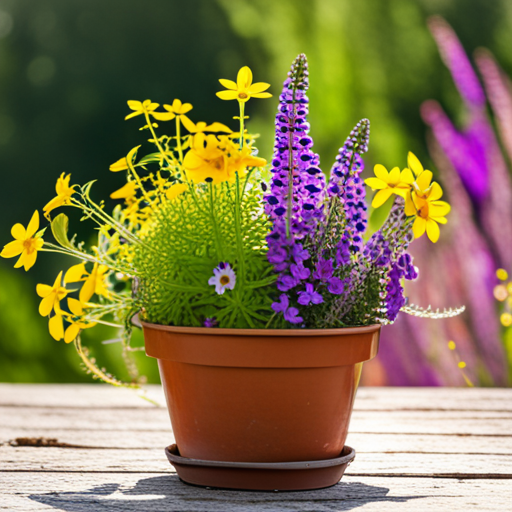
Wildflowers in a pot

Growing wildflowers in pots is a great way to add color and beauty to your garden or outdoor space. Wildflowers not only look gorgeous but also attract pollinators like bees and butterflies. Also, learning how to grow wildflowers in pots is an easy way to add a splash of color to small balconies and patios. In this post, we will take you through everything you need to know about growing wildflowers in pots from selecting the right pot type, soil requirements, watering, light conditions and fertilizer.

Pot Type for Growing Wildflowers in Pots

Selecting the right pot is essential when growing wildflowers. Ensure that your pot has enough drainage holes at the bottom to avoid waterlogging, which can lead to root rot. Your pot should also be big enough to accommodated mature plants. Terracotta pots are preferable as they provide ample space and allow airflow to reach plant roots. Although for more convenience try these colorful fabric grow bags! You can choose pots of different sizes and shapes to create an attractive display of colorful wildflowers.

Soil Requirements

Growing wildflowers in pots requires proper soil preparation. Use a high-quality potting mix that is fluffy and well-draining. Add perlite or sand to increase drainage and avoid compacted soil. You can also add organic matter such as compost or peat moss to the soil mix to provide the essential nutrients that plants need to thrive. Make sure your potting mix is slightly moist before planting your seeds.

Watering your Wildflower Pots

Watering is an essential element in growing wildflowers in pots. Water your plants regularly but avoid overwatering as this can cause root rot. Allow the soil to dry out slightly between watering intervals. Check your soil’s moisture levels frequently by inserting your finger into the soil about 2 inches deep. If the soil feels dry, water your plants. If the soil feels moist, wait a few more days before watering again.

Light Requirements

Most wildflowers require full sun or partial shade to thrive. Ensure that your potted plants receive ample sunlight for at least six hours a day. If you have limited sunlight, you can grow shade-loving wildflowers such as heuchera, foxgloves, and violas. Growing wildflowers indoors require grow lights or fluorescent lights to mimic sunlight. Place your pots near a window or artificial light source for optimal growth.

Fertilizer for Wildflowers

Wildflowers growing in pots need regular feeding to thrive. Fertilizers provide essential nutrients that your plant requires for proper growth and reproduction. Use a slow-release fertilizer or a well-balanced liquid fertilizer. Apply fertilizer to your potted plants every few weeks during the growing season to ensure healthy growth and flowering.

Happy Gardening!

Learning how to grow wildflowers in pots is an excellent way to add color and beauty to your garden or outdoor space. Select the right pot type, soil requirements, watering, light conditions and fertilizer, and you are sure to have healthy and vibrant wildflowers. Remember to choose a pot with proper drainage, provide adequate sunlight and water your plants regularly. With this guide, you can add a pop of color to your outdoor space and attract pollinators to your garden.

Please be sure to check out my Gardening Blog Post Page for more tips on all types of gardening. Including Seed Saving, Seed Starting, Orchids, Water Gardening, Coldframe Gardening, Indoor Bulb Gardening, Hydroponics, Container Gardening, Mums, Herbs, African Violets, planting Bulbs, Flower Gardening, Vegetable and Fruit Gardening, Indoor Houseplants of all kinds, Cactus, Succulents, Hanging plants, Deer resistant plants and even Bird, Bee, Butterfly and Hummingbird Gardens!
Best Fruits to Grow in Pots

Growing fruits in pots is a great way to have fresh produce regardless of your gardening space. Whether you have a small balcony or a spacious backyard, pots are a perfect solution to enjoy the perks of fruit gardening. While it may seem daunting at first, you can easily grow an array of fruits in pots with proper care and maintenance. In this post, we’ll discuss the best fruits to grow in pots, pot types and sizes, soil requirements, water and light needs, and fertilizers to use. Get your green thumb ready and let’s dive in!

Fruit Selection

The best fruits to grow in pots are the ones that can tolerate small spaces, occasional pruning, and temperature fluctuations. Some popular choices are blueberries, strawberries, tomatoes, raspberries, lemon, oranges, and peaches. Remember to choose fruit trees that will not outgrow their pot easily. Dwarf varieties of fruit trees will be an excellent idea for easy maintenance.

Pot Types for Growing Fruit

When selecting a pot, you must consider the fruit plant’s root growth and ensure it has enough space to expand. Ceramic, plastic, grow bags and terra cotta pots are the best options for fruit gardening as they retain moisture and heat. Bigger pots with drainage holes are always the better choice as they will promote good growth and proper drainage. Small pots would be suitable for small fruit plants, while large containers would be ideal for larger fruit trees.

Best Soil type for Fruits Growing in Pots

Growing fruit plants in pots need soil that is well-draining, rich in nutrients, and well-aerated. A DIY mix including compost, perlite, and vermiculite can serve as a great potting soil mix that can provide the plant with enough nutrients to properly grow. Incorporating small stones or broken terracotta pieces at the bottom of the pot will help improve drainage, prevent soil compaction, and aid aeration.

Water and Light Requirements

Watering fruit plants in pots require diligence to ensure they receive moisture as required. Water your plants regularly in moderate amounts, and always check for dryness. Proper sunlight is also necessary for healthy fruit growth. Most fruit plants prefer at least six hours of direct sunlight a day, and some can handle partial shade. Depending on your local climate, you may need to regulate the amount of water and light your plant gets.

Fertilizer

Providing the right nutrients will boost fruit growth, yield, and overall health. You can use organic fertilizer mixes like worm castings, or fish emulsion, or a slow-release fertilizer like Osmocote. Fertilizing methods and frequency vary by fruit type and the stage of growth. Always follow the manufacturer’s instruction and avoid over-fertilization as it may cause harm.

Happy Gardening!

Growing fruit in pots can be a delightful experience that requires little space but a lot of patience and care. With the tips provided, you are well equipped to start your fruit gardening journey. Remember to choose the right pot, fruit type, soil mix, and provide the right amount of water, light, and nutrients.

Please be sure to check out my Gardening Blog Post Page for more tips on all types of gardening. Including Seed Saving, Seed Starting, Orchids, Water Gardening, Coldframe Gardening, Indoor Bulb Gardening, Hydroponics, Container Gardening, Mums, Herbs, African Violets, planting Bulbs, Flower Gardening, Vegetable and Fruit Gardening, Indoor Houseplants of all kinds, Cactus, Succulents, Hanging plants, Deer resistant plants and even Bird, Bee, Butterfly and Hummingbird Gardens!
Growing Tomatoes in 5 Gallon Buckets

Tomatoes are a favorite of gardeners worldwide. They are easy to grow, delicious, and nutritious. However, not everyone has a large garden or plot of land to plant a tomato patch. So, if you are looking to grow some tomatoes, but space is an issue, then you might want to consider growing them in 5-gallon buckets or fabric grow bags. In this blog post, we will discuss the best soil, water requirements, light requirements, and fertilizer for growing tomatoes in 5-gallon buckets. One you start picking your harvest beside to check out my post on Garden Tomato Recipes!

Best Tomatoes to Grow in Pots

When it comes to growing tomatoes in 5-gallon buckets, you want to choose a variety that is specifically designed for container gardening. Cherry tomatoes are an excellent option because they produce fruit quickly and don’t require as much space as other varieties. Some of the best cherry tomato varieties for containers are Tiny Tim, patio princess, and sweet 100s. Other good options include early girl, celebrity, and better boy tomatoes.

Growing Beefsteak Tomatoes in Pots

If you are looking for a larger tomato variety, then beefsteak tomatoes may be the way to go. Beefsteak tomatoes require more space than cherry tomatoes, so you will need to use a deeper pot or one with several drainage holes along the sides. When growing beefsteak tomatoes in pots, it is recommended that you choose a variety such as Big Boy or Better Boy.

Best Soil for Tomatoes in Pots

When planting tomatoes in pots, it is essential to use high-quality soil that is nutrient-rich and well-draining. We recommend using a potting mix that contains peat moss, vermiculite, and perlite, mixed with organic compost. Avoid using garden soil or topsoil as it may contain pests or diseases that can harm your tomato plants.

Watering Requirements for Growing Tomatoes in 5 Gallon Buckets

Tomatoes require regular watering to produce a bountiful harvest. When it comes to watering, it is essential to keep the soil moist but not waterlogged. Water your tomato plants deeply once or twice a week, depending on the weather conditions and the size of your container. Make sure to check the soil’s moisture level regularly and adjust your watering schedule accordingly.

Light requirements for Growing Tomatoes in 5 Gallon Buckets

Tomatoes require at least 6-8 hours of direct sunlight daily to thrive and produce a bountiful harvest. If you do not have a sunny spot in your backyard, consider growing your tomatoes in a location that receives full sunlight, like a terrace or balcony. In addition, you can use grow lights to provide your tomato plants with the necessary amount of light.

Fertilizer needs for Tomatoes in 5 Gallon Buckets

Tomatoes require regular feeding to produce healthy and robust fruit. You can use a balanced fertilizer that contains equal amounts of nitrogen, phosphorus, and potassium, or you can use a tomato-specific fertilizer that has a higher potassium content. Start fertilizing your tomato plants two weeks after planting and continue every two weeks during the growing season. Make sure to follow the instructions on the fertilizer package and avoid over-fertilizing, which can lead to burnt leaves and reduced fruit production.

Happy Gardening!

In conclusion, growing tomatoes in 5-gallon buckets is an excellent option for gardeners who have limited space or want to grow tomatoes on a balcony or terrace. To grow healthy and robust tomato plants, make sure to use high-quality soil, water regularly, provide them with enough sunlight, and fertilize them regularly with a balanced or tomato-specific fertilizer. With these tips, you can produce a bountiful harvest of delicious and nutritious tomatoes in the comfort of your own home.

Please be sure to check out my Gardening Blog Post Page for more tips on all types of gardening. Including Seed Saving, Seed Starting, Orchids, Water Gardening, Coldframe Gardening, Indoor Bulb Gardening, Hydroponics, Container Gardening, Mums, Herbs, African Violets, planting Bulbs, Flower Gardening, Vegetable and Fruit Gardening, Indoor Houseplants of all kinds, Cactus, Succulents, Hanging plants, Deer resistant plants and even Bird, Bee, Butterfly and Hummingbird Gardens!

Evergreen Trees for Pots

Try Evergreen Trees for Pots to create a miniature garden in your backyard, on your balcony, or indoors is a rewarding hobby. However, not everyone may have the luxury of space, especially if living in a city apartment or with a small backyard. But don’t worry, you don’t have to give up your green thumb just because of lack of space. One solution is to have evergreen trees in pots. Evergreens can make your living space come alive all year round by providing shade, oxygen, and a sense of serenity. This post will explore the best evergreen trees for pots, how to care for them, and what you need to know before planting them.

Choosing the Best Evergreen Trees for Pots

When selecting evergreen trees for pots, there are a few things to keep in mind. Firstly, consider the size of your pot and the amount of space available where you want to place the tree. Choose a tree that will complement its surroundings in terms of size, shape, and color. Secondly, consider your climate. Not all everygreen trees are suitable for all climates, so choose a tree that is hardy enough to survive in your area. Lastly, take into account the amount of sunlight and shade the plant will receive. Some evergreens require full sun, while others need partial shade.

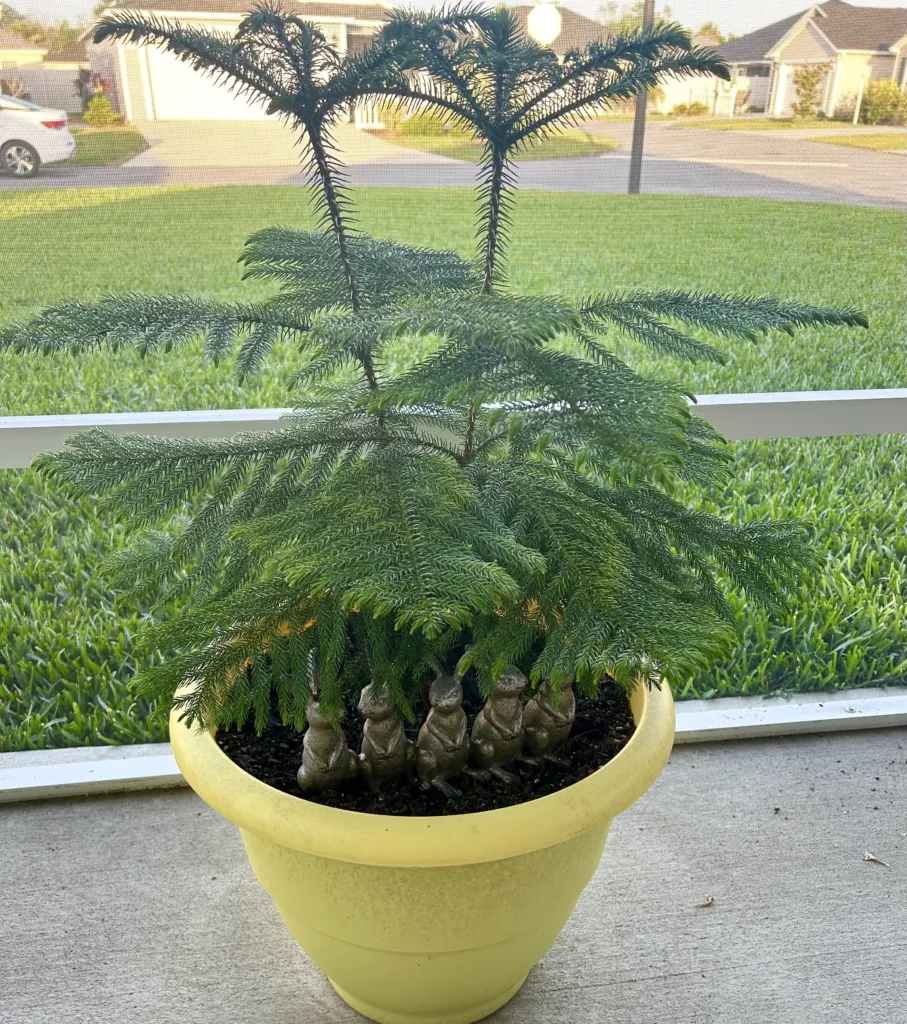
Some of the best evergreen trees for pots include dwarf Alberta spruce, arborvitae, boxwood, holly, Norfolk Pine and yew. Dwarf Alberta spruce is ideal for small spaces, while arborvitae is great for creating an evergreen hedge. Boxwood is perfect for a low hedge, while holly and yew are great for topiaries.

Norfolk Pine
Norfolk Pine

Planting Evergreen Trees in Pots

When it comes to planting evergreen trees in pots, there are a few things you’ll need to consider. Firstly, choose a pot with adequate drainage. Evergreens don’t like to sit in water, so make sure there are enough holes at the bottom of the pot. Secondly, use good quality, well-drained soil. Add a slow-release fertilizer to give your tree a good start. Finally, don’t overplant your pot. Allow enough space for the roots to grow and for your tree to thrive.

Caring for your Evergreens

Caring for evergreen trees in pots is not difficult, but there are a few things to keep in mind. Firstly, make sure your tree is getting enough sunlight. Most evergreens require full sun or at least six hours of direct sunlight a day. Secondly, make sure your tree is getting enough water. Don’t let the soil dry out completely, but don’t let it become waterlogged either. Lastly, feed your tree with a slow-release fertilizer once a year to help it thrive.

Keep your evergreen tree free from dead or damaged branches by pruning it regularly. Make sure the pot is not sitting in water, or you risk root rot. Protect your tree from frost in winter by covering it with a frost blanket. And finally, keep an eye out for any pests or diseases, and treat them promptly.

Happy Gardening!

Evergreen trees in pots are a great way to add a touch of greenery to your living space, no matter how small it may be. When selecting the best evergreen trees for pots, consider your climate, the amount of sunlight and shade your tree will receive, and the size and shape of your pot. Plant it in a pot with adequate drainage and use good quality soil. Care for it by giving it enough sunlight and water, and by pruning it regularly. Follow these tips, and your evergreen tree will thrive for years to come.

Please be sure to check out my Gardening Blog Post Page for more tips on all types of gardening. Including Seed Saving, Seed Starting, Orchids, Water Gardening, Coldframe Gardening, Indoor Bulb Gardening, Hydroponics, Container Gardening, Mums, Herbs, African Violets, planting Bulbs, Flower Gardening, Vegetable and Fruit Gardening, Indoor Houseplants of all kinds, Cactus, Succulents, Hanging plants, Deer resistant plants and even Bird, Bee, Butterfly and Hummingbird Gardens!

Perennials for Pots

Perennials for Pots because container gardening is an excellent way to brighten up any outdoor space, big or small. Whether you have a small balcony, a shaded porch, or a sunny patio, container gardening with perennials is an excellent way to create an outdoor oasis. Perennials that grow well in pots come in a wide range of colors, shapes, and sizes. Making it easy to create beautiful, durable, and low maintenance container gardens. In this blog post, we’ll walk you through the best perennials for container gardening. From soil type, pot type, watering, and light requirements.

Choosing the right Perennials for your Pots

When selecting perennials for pots, consider the following factors:

Size: Choose plants that will work well in your pots, ensuring they won’t outgrow them too quickly.

Watering Needs: Pick plants with similar watering requirements to prevent overwatering or underwatering your plants.

Light requirements: Ensure the plants you choose are suited to the amount of light your spot receives. Be sure to check the plant label for detailed instructions.

Some of the best perennial plants for container gardens include:

Sedum: This succulent plant is easy to care for, drought-tolerant, and perfect for sunny spots.

Geranium: Geraniums come in a range of colors and thrive in sunny conditions. They grow well in pots and can bloom for months.

Hosta: These hardy perennials are best suited for slightly shady spots and come in a wide variety of sizes and colors.

Hellebore: Hellebores are known for their early spring blooms and are perfect for shady spots.

Heuchera: Heucheras are known for their colorful foliage and do well in containers in partial shade.

The right Soil type for Perennials for Pots

The soil you use for your container garden should provide good drainage and hold moisture without becoming waterlogged. You can create your own potting soil by mixing perlite, vermiculite, and peat moss or by purchasing a high-quality potting soil mix. When filling your pots, be sure to leave a little room at the top so that you can water the plants properly.

Pot type and Size

When it comes to potting containers for perennials, there are a few things to keep in mind. Choose a pot that is the right size, has drainage holes, and is made of a material that is both durable and attractive. Terracotta pots are popular for their natural look, but they can dry out quickly, making them a less suitable choice for hot, dry climates. Plastic pots are lightweight and easy to move around but can become too hot in the sun, causing the soil to dry out too quickly.

Water and Light Requirements for your Perennials in Pots

Most perennials do well in well-draining soil that stays evenly moist, but not too wet. To prevent over or under watering your plants, monitor the soil moisture regularly. Water your plants when the top inch of soil is dry. Be sure to provide the right amount of sunlight for your plants. Most perennials thrive in full sun but can tolerate shade.

Happy Gardening!

Perennials are ideal for container gardening, and with the right plants, soil, pot, and care. You can create beautiful and low maintenance outdoor spaces. Choose the right plants and pot size, provide the right soil and drainage. And don’t forget about water and light requirements for your plants to ensure their health and longevity. With these tips, your container garden will thrive, and you’ll have a beautiful outdoor oasis to enjoy year after year.

Please be sure to check out my Gardening Blog Post Page for more tips on all types of gardening. Including Seed Saving, Seed Starting, Orchids, Water Gardening, Coldframe Gardening, Indoor Bulb Gardening, Hydroponics, Container Gardening, Mums, Herbs, African Violets, planting Bulbs, Flower Gardening, Vegetable and Fruit Gardening, Indoor Houseplants of all kinds, Cactus, Succulents, Hanging plants, Deer resistant plants and even Bird, Bee, Butterfly and Hummingbird Gardens!

Terracotta Strawberry Planter

If you’re a gardener looking for a fun way to cultivate fresh strawberries, a terracotta strawberry planter is an excellent choice. This classic material provides the perfect growing environment for strawberries, while adding a charming touch to your outdoor décor. However, growing healthy, delicious strawberries in a planter requires some know-how. In this post, we’ll cover everything you need to know about terracotta strawberry planters, from selecting the right soil to watering and light requirements, as well as the best time of year to get started.

Soil for Terracotta Strawberry Planter

Choose the Right Soil: For your strawberry plants to thrive, you’ll need to use the right type of soil. Look for a good moisture control potting soil, or make your own mixture using 50% good compost rich potting soil, 25% peat moss, and 25% perlite. This blend provides excellent drainage while retaining enough moisture to support healthy growth.

Water Requirements

Strawberries require regular watering for healthy growth, but you’ll need to be careful not to overwater. Check the soil frequently and water when it feels dry to the touch. Never let the soil fully dry out, but also avoid allowing it to become waterlogged, which can lead to root rot. It’s a delicate balance, so be sure to monitor your plants regularly.

Light for Terracotta Strawberry Planter

Strawberries require plenty of sunlight to grow well, at least 6-8 hours a day, so choose a sunny spot for your planter. Keep in mind that strawberry plants may require more shade during the hottest part of the day to avoid sunscald.

Best time to plant your Strawberries

The best time to start growing strawberries in a planter is in the early spring or fall. This gives your plants plenty of time to establish healthy roots before the hot summer weather sets in. If you live in the south like me and you’re planting in the fall, make sure to protect your plants from any early frosts by covering them with a cloth.

Fertilizer and Pruning

To keep your plants producing fruit all season long, apply a balanced fertilizer every few weeks. Additionally, you’ll need to pinch off any runners (stems that grow from the base of each plant) throughout the summer. This will help contain the size of your strawberry patch and promote healthy growth.

Happy Gardening!

With a little bit of know-how and some careful attention, you can grow delicious strawberries in a terracotta planter right in your own backyard. Whether you’re an experienced gardener or a newbie, a terracotta strawberry planter is a great way to add a touch of fresh, fruit-filled charm to your outdoor space. Or if you like the stackable plastic strawberry planter works great!! So get your soil, plants, and watering can ready and get growing!

Please be sure to check out my Gardening Blog Post Page for more tips on all types of gardening. Including Seed Saving, Seed Starting, Orchids, Water Gardening, Coldframe Gardening, Indoor Bulb Gardening, Hydroponics, Container Gardening, Mums, Herbs, African Violets, planting Bulbs, Flower Gardening, Vegetable and Fruit Gardening, Indoor Houseplants of all kinds, Cactus, Succulents, Hanging plants, Deer resistant plants and even Bird, Bee, Butterfly and Hummingbird Gardens!

Plants for Small Pots

Do you love gardening but do not have a lot of outdoor space to grow plants? Do you want to spruce up your balcony, patio, or porch? Small pots are a great solution for those who want to enjoy gardening without having a lot of space. In this blog post, we will be discussing the best plants to grow in small pots outside during the summer.

Herb Plants for Small Pots

Herbs are a great option for small pots. They are small, easy to maintain, and provide culinary benefits. You can grow herbs such as basil, mint, cilantro, thyme, and parsley for a fresh and fragrant addition to your cooking. They also make great ornamental plants and can add to your outdoor décor.

Succulents

Succulent

Cactus

Cactus plants also make great options for small pots. They are low maintenance and can tolerate extreme weather conditions. Cacti come in a variety of shapes, sizes, and colors so you can choose the one that best suits your outdoor space.

Flowers

Flowers are an all-time favorite for gardeners. There are several types of flowers you can grow in small pots such as geraniums, petunias, marigolds, and pansies. These colorful and beautiful blooms can add life to any outdoor space. They are also great for attracting pollinators such as bees and butterflies.

Vegetable Plants for Small Pots

Small pots can be used to grow vegetables during the summer. You can grow cherry tomatoes, peppers, cucumbers, and lettuce. Growing your own vegetables can be rewarding and a great way to ensure that the produce you consume is fresh and organic. This is also a great way to introduce children to gardening and healthy eating.

Ferns

Ferns make a great addition to any outdoor space. Their lush foliage can create a tropical feel in your garden. They are easy to maintain and can grow well in small pots with partial shade or sunlight.

Best types of Pots for Plants for Small Pots

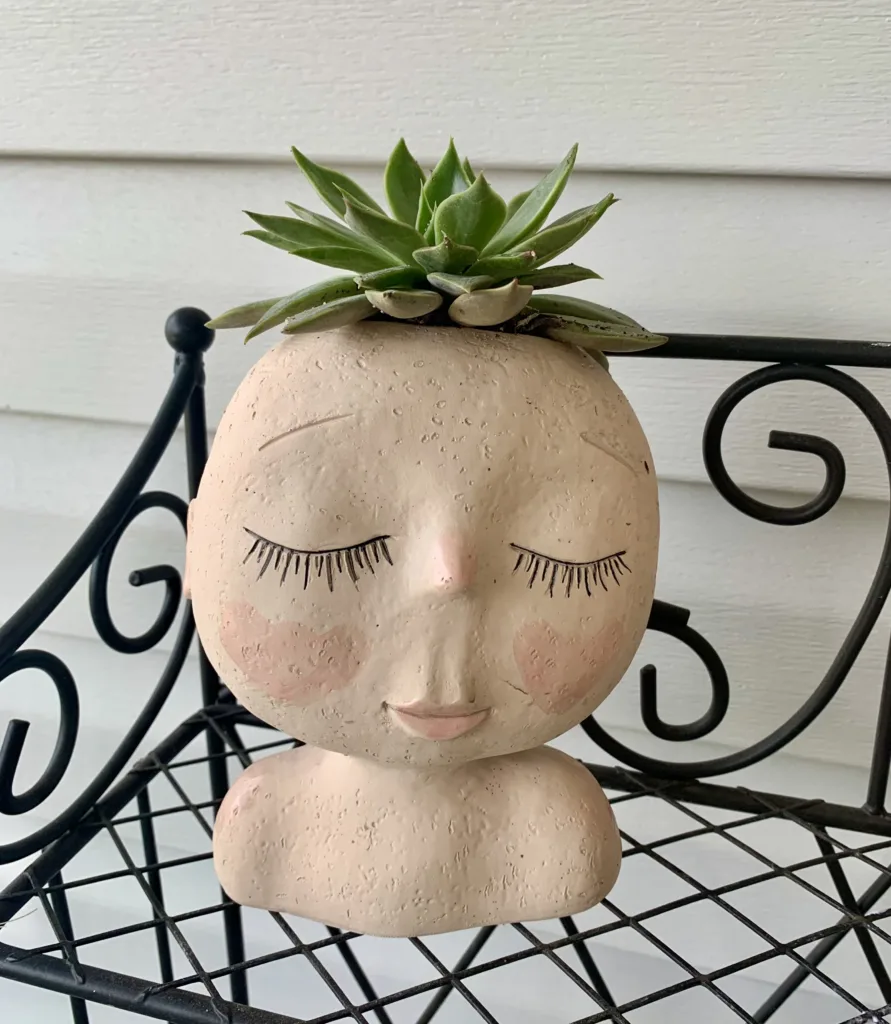
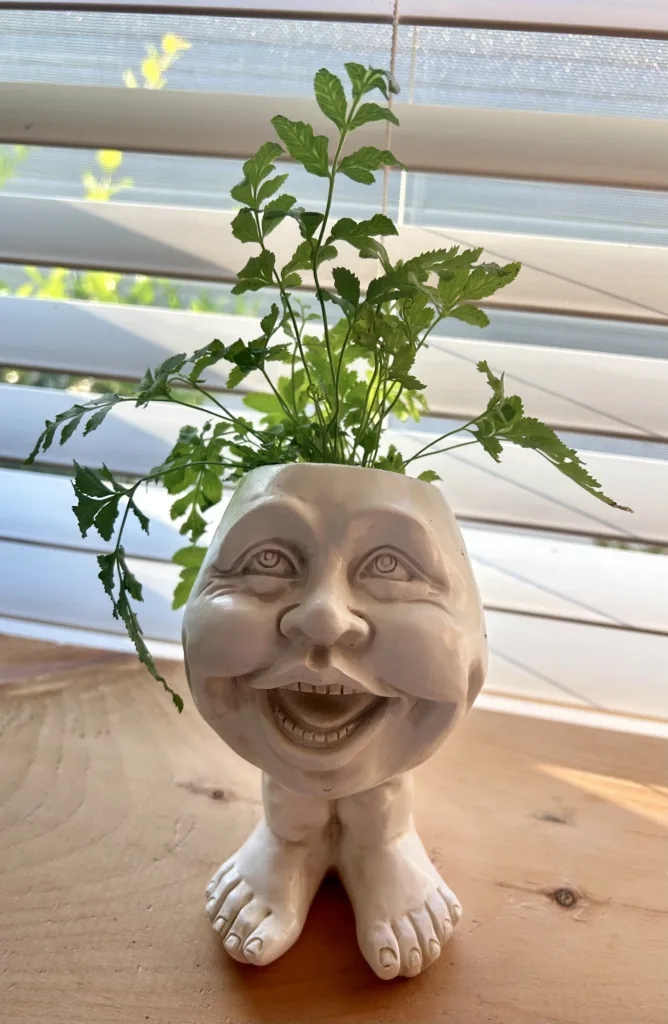
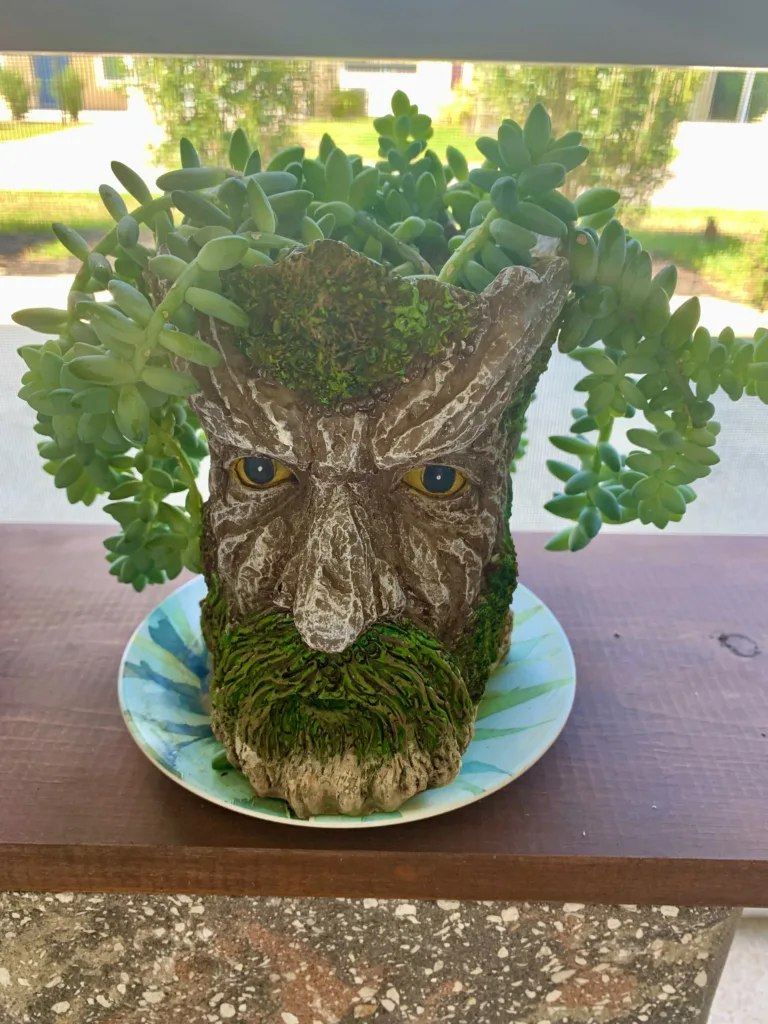
Different types of small pots: Small pots come in a variety of shapes and sizes. You can choose from ceramic, plastic, clay, resin or metal pots depending on your preferences. Make sure to select the right size pot for the type of plant you are growing as too large of a pot can encourage root rot. I love my plants in pot head planters, they add such interest! I have a pothos in this face pot planter. A succulent in this adorable Boshen face planter. And I love my Burro’s tail in this Youfui head planter!

Burro's Tail
Burro’s Tail

Happy Gardening!

Small pots can be a great option for those who want to enjoy gardening in a small space. There are several types of plants that you can grow in small pots such as herbs, succulents, flowers, vegetables, and shrubs. These plants are easy to maintain, provide a variety of benefits, and add life to any outdoor space. So, choose the plants that suit your preferences and start gardening today!

Please be sure to check out my Gardening Blog Post Page for more tips on all types of gardening. Including Seed Saving, Seed Starting, Orchids, Water Gardening, Coldframe Gardening, Indoor Bulb Gardening, Hydroponics, Container Gardening, Mums, Herbs, African Violets, planting Bulbs, Flower Gardening, Vegetable and Fruit Gardening, Indoor Houseplants of all kinds, Cactus, Succulents, Hanging plants, Deer resistant plants and even Bird, Bee, Butterfly and Hummingbird Gardens!