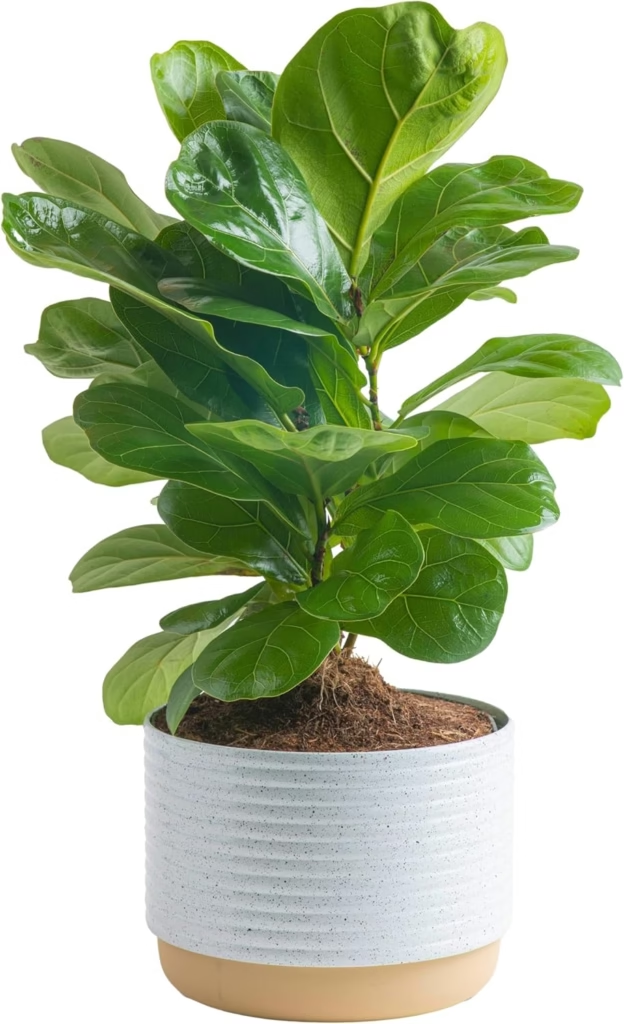
The Fiddle Leaf Fig (Ficus lyrata) is one of the most stunning and popular indoor plants you can grow. With its broad, violin-shaped leaves and tall, elegant structure, it adds instant style to any space. However, caring for this tropical beauty requires consistency and attention to detail. When you understand its needs for pot type, soil, light, watering, and fertilizer, your Fiddle Leaf Fig will thrive for years.
Choosing the Right Pot
The first step in caring for your Fiddle Leaf Fig is selecting the right pot. A pot that’s too small can restrict root growth, while one that’s too large can hold excess moisture and lead to root rot. Choose a pot that is 2–3 inches larger than the root ball of your plant. This size provides room for growth without overwhelming the roots.
Drainage is essential. Make sure your pot has drainage holes at the bottom so excess water can escape. This prevents soggy soil and keeps roots healthy. If you prefer using decorative pots without holes, place your plant in a plastic nursery pot with drainage and then set it inside the decorative container. This allows you to remove the inner pot for watering and avoid trapped moisture.
As your plant grows, you’ll need to repot it every 1–2 years. The best time to repot is during spring or early summer when the plant is actively growing. Use this opportunity to refresh the soil and inspect the roots for signs of rot or compacted areas.
The Best Soil for Fiddle Leaf Figs
Soil quality plays a major role in keeping your Fiddle Leaf Fig happy. These plants prefer well-draining soil that holds some moisture but doesn’t stay wet for long. The goal is to mimic their natural tropical environment, where roots receive consistent moisture but also plenty of airflow.
A great mix for Fiddle Leaf Figs includes two parts high-quality potting soil, one part perlite, and one part peat moss or coco coir. This combination provides a balance between moisture retention and drainage. Perlite keeps the soil light and airy, while peat moss or coco coir helps it hold just enough water.
You can also use a cactus or indoor plant mix with added perlite for even better drainage. Avoid heavy garden soil or clay-based mixes since they can suffocate the roots. Once your soil is ready, fill the pot so the root ball sits about an inch below the rim. This leaves space for watering without overflow.
Ideal Light Conditions
Light is one of the most important aspects of Fiddle Leaf Fig care. These plants naturally grow under bright, filtered light in the tropics. Indoors, they thrive best in bright, indirect sunlight. Place your Fiddle Leaf Fig near a large window that receives plenty of natural light throughout the day, but avoid harsh direct rays that can scorch the leaves.
A south- or east-facing window usually works best. If your plant doesn’t get enough light, you’ll notice slow growth, smaller leaves, and even leaf drop. Rotate your plant every few weeks so all sides receive equal exposure, helping it grow straight and evenly.
If your space lacks bright natural light, you can supplement with full-spectrum grow lights. Keep them on for 8–10 hours a day to mimic natural daylight. Just make sure the light isn’t placed too close to the leaves, as heat buildup can cause damage.
Proper Watering Techniques
Watering is often the trickiest part of caring for a Fiddle Leaf Fig. These plants dislike both dryness and overwatering, so finding balance is key. Always check the soil before watering. Insert your finger about two inches deep; if it feels dry at that depth, it’s time to water. If it’s still moist, wait a few more days.
When watering, soak the soil thoroughly until water drains out from the bottom. Then, let the pot drain completely before returning it to its decorative cover or saucer. Never let your Fiddle Leaf Fig sit in standing water, as this leads to root rot.
During the warmer months, you may need to water once a week, while in cooler seasons, watering every 10–14 days is usually enough. You’ll know if your plant needs more water when the leaves start to droop slightly. However, if the leaves turn yellow or develop brown spots, it might be getting too much water.
Maintaining consistent humidity also helps. Fiddle Leaf Figs love humidity levels between 40% and 60%. If your home is dry, use a humidifier, place a tray of water near the plant, or mist the leaves occasionally.
Fertilizing for Healthy Growth
Fiddle Leaf Figs are fast growers and need proper nutrients to maintain lush, green leaves. During the growing season, which runs from spring through early fall, feed your plant with a balanced, water-soluble fertilizer every four to six weeks.
A good option is a fertilizer with an NPK ratio of 3-1-2, which provides the right balance of nitrogen for leaf growth, phosphorus for root strength, and potassium for overall health. Always dilute the fertilizer according to the package directions to avoid overfeeding.
In the winter months, reduce or stop fertilizing since the plant naturally slows its growth. Over-fertilizing can cause salt buildup in the soil, which may lead to leaf burn. To prevent this, flush the soil every few months by watering thoroughly until water runs clear from the bottom of the pot.
Propagating a Fiddle Leaf Fig
Propagating your Fiddle Leaf Fig is a rewarding way to create new plants. The most effective method is stem cutting propagation. Begin by choosing a healthy stem with two to three leaves. Using clean, sharp pruning shears, cut a 6–8 inch section just below a leaf node.
Remove the lower leaf, leaving at least one or two leaves at the top. Place the cutting in a propagation station with room-temperature water, making sure the node is submerged. Keep the jar in bright, indirect light and replace the water every few days. In about 3–4 weeks, roots should begin to form.
Once the roots are at least two inches long, transfer the cutting to a small pot with well-draining soil. Keep the soil slightly moist and continue to provide bright, indirect light. After a few weeks, your new Fiddle Leaf Fig should begin producing fresh leaves.
For a quicker start, you can also propagate directly in soil. Dip the cut end of the stem in rooting hormone, then plant it in moist potting mix. Cover it with a plastic bag or humidity dome to retain moisture, and open it occasionally for airflow. In a month or two, the cutting should develop strong roots.
Common Problems and How to Fix Them
Even with great care, Fiddle Leaf Figs can experience some issues. Understanding what to look for makes it easier to fix problems early.
Brown spots on leaves usually mean overwatering or poor drainage. Check your pot’s drainage holes and let the soil dry out slightly before the next watering. Yellowing leaves may indicate too much water, not enough light, or a nutrient deficiency.
If your plant is dropping leaves, don’t panic. This often happens when you move the plant to a new location or change its watering schedule. Give it time to adjust, and keep conditions stable. Dusting the leaves regularly also helps your plant breathe better and absorb more light.
Final Thoughts
Caring for a Fiddle Leaf Fig may seem intimidating at first, but once you learn its preferences, it becomes simple and rewarding. Choose the right pot with proper drainage, use a well-draining soil mix, and provide bright, indirect sunlight. Water consistently but never excessively, and feed your plant regularly during its growing months.
With the right routine, your Fiddle Leaf Fig will grow tall, strong, and full of beautiful, glossy leaves. Over time, it will become a stunning centerpiece in your home—a living statement of care and patience.
Please be sure to check out my Gardening Blog Post Page for more tips on all types of gardening. Including Water Gardening, Coldframe Gardening, Indoor Bulb Gardening, Hydroponic Gardening, Container Gardening, Mums, Herbs, African Violets, planting Bulbs, Flower Gardening, Vegetable and Fruit Gardening, Indoor Houseplants of all kinds, Cactus, Succulents, Hanging plants, Deer resistant plants and even Bird, Bee, Butterfly and Hummingbird Gardens!