
Tropical houseplants bring lush greenery, bold textures, and vibrant energy into any home. They thrive in warm, humid environments and adapt well to indoor living when given the right care. Let’s explore 12 stunning tropical plants and learn how to keep them healthy and thriving indoors.
1. Monstera Deliciosa (Swiss Cheese Plant)
The Monstera Deliciosa is a tropical favorite known for its large, glossy leaves with signature splits. It adds a dramatic touch to living rooms or offices.
Light: Place it in bright, indirect sunlight. Avoid harsh rays that can scorch its leaves.
Water: Keep the soil lightly moist but not soggy. Water when the top inch feels dry.
Soil: Use a well-draining mix of peat, perlite, and bark.
Fertilizer: Feed every four weeks during spring and summer with a balanced liquid fertilizer.
2. Bird of Paradise
With bold banana-like leaves and striking orange blooms, the Bird of Paradise adds a tropical flair to any space.
Light: Give it bright light, including some direct sun if possible.
Water: Water when the top two inches of soil dry out. Maintain consistent moisture without overwatering.
Soil: Choose rich, well-draining potting soil.
Fertilizer: Use a balanced fertilizer every two weeks during the growing season.
3. Peace Lily
The Peace Lily stands out for its dark green foliage and graceful white flowers. It also purifies indoor air beautifully.
Light: Medium to low indirect light works best.
Water: Water weekly and mist the leaves to increase humidity.
Soil: A mix of peat moss, perlite, and compost keeps roots healthy.
Fertilizer: Apply a diluted houseplant fertilizer every six weeks during growth periods.
4. Anthurium
Anthuriums feature heart-shaped leaves and long-lasting red or pink blooms that make any room feel more tropical.
Light: Bright, indirect sunlight promotes vibrant flowers.
Water: Keep the soil consistently moist but not soaked.
Soil: A loose, orchid-style mix works well.
Fertilizer: Feed monthly with a high-phosphorus fertilizer to encourage blooms.
5. Philodendron Brasil
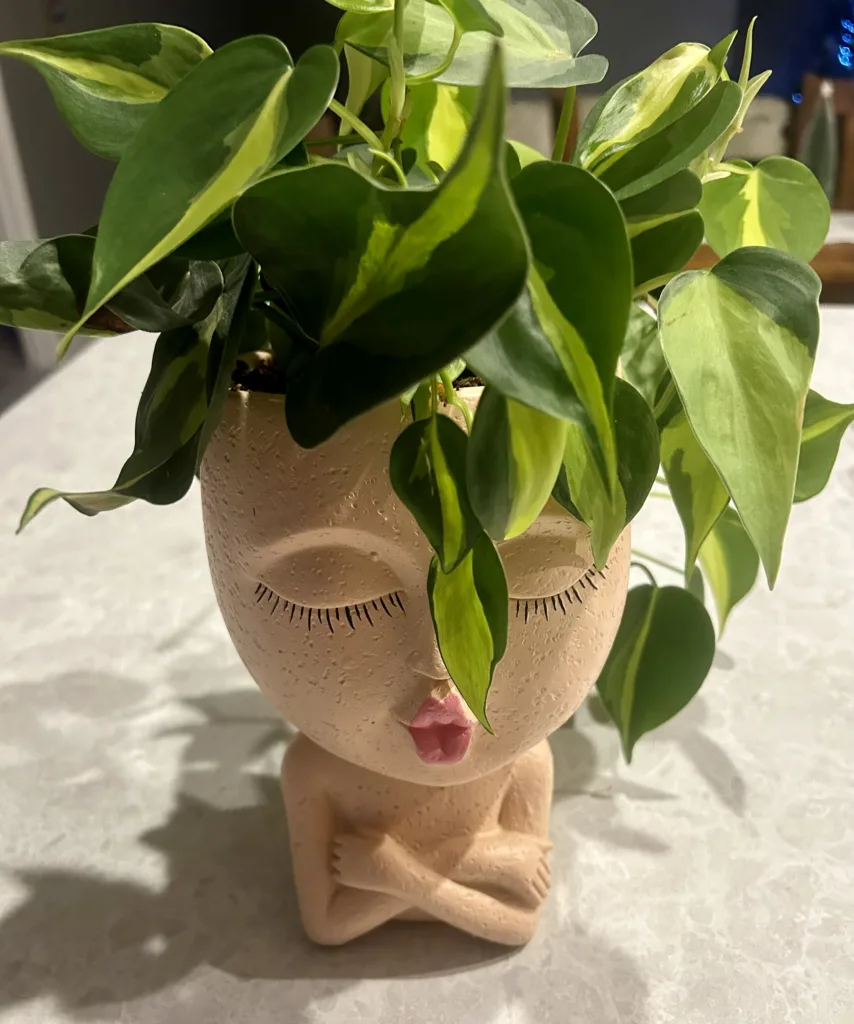
The Philodendron Brasil shows off its bold green and lime-striped leaves and grows easily indoors.
Light: Bright, filtered light keeps colors strong.
Water: Water when the top inch of soil dries out.
Soil: Use a light mix that drains well.
Fertilizer: Feed once a month with a gentle houseplant fertilizer.
6. Calathea (Prayer Plant)
Calatheas are known for their stunning patterned leaves and their habit of folding at night.
Light: Give them bright, indirect light to maintain leaf color.
Water: Keep the soil evenly moist but not soggy. Use filtered or distilled water to prevent leaf spots.
Soil: Use rich, well-draining potting soil with added perlite.
Fertilizer: Apply every four weeks during the growing season.
7. Alocasia (Elephant Ear)
Alocasia plants have dramatic, arrow-shaped leaves that create a tropical statement indoors.
Light: Bright, indirect light keeps foliage lush.
Water: Water regularly to keep the soil slightly damp.
Soil: Use a well-draining potting mix with compost and perlite.
Fertilizer: Feed every three weeks in spring and summer with a balanced fertilizer.
8. Dieffenbachia (Dumb Cane)
Dieffenbachia displays large, variegated leaves and grows well in warm indoor spaces.
Light: Medium filtered light helps maintain leaf patterns.
Water: Water when the top inch of soil feels dry.
Soil: Choose well-aerated, rich potting soil.
Fertilizer: Apply fertilizer every six weeks to support growth.
9. Bromeliad
Bromeliads add bursts of color with their unique rosettes and tropical flowers. They grow well indoors with minimal care.
Light: Bright, indirect sunlight works best.
Water: Keep the central cup (the rosette) filled with water and mist often.
Soil: A fast-draining orchid or cactus mix keeps roots healthy.
Fertilizer: Feed every two months with diluted liquid fertilizer.
10. Fiddle Leaf Fig
Known for its broad, violin-shaped leaves, the Fiddle Leaf Fig makes a bold tropical centerpiece.
Light: Place it near a bright window with indirect light.
Water: Allow the top two inches of soil to dry before watering again.
Soil: Use a well-draining potting mix with peat and perlite.
Fertilizer: Feed every month during spring and summer with a balanced fertilizer.
11. Pothos (Golden Pothos)
Pothos is an easy-care tropical vine with heart-shaped leaves that thrive in many conditions.
Light: It grows well in low to medium light, though brighter light enhances leaf color.
Water: Let the top inch of soil dry before watering.
Soil: Use an all-purpose indoor potting mix.
Fertilizer: Feed once every six weeks during active growth.
12. ZZ Plant
The ZZ Plant (Zamioculcas zamiifolia) is one of the most forgiving tropical plants, ideal for beginners.
Light: It tolerates low light but prefers bright, indirect light.
Water: Allow the soil to dry completely between waterings.
Soil: Use a cactus or succulent mix for good drainage.
Fertilizer: Feed once every two months during the growing season.
How to Create the Ideal Tropical Environment Indoors
Tropical plants thrive when their environment mimics their native habitats. To help your plants stay healthy, focus on three key areas: humidity, warmth, and consistent light.
Humidity: Tropical plants love moisture in the air. Increase humidity with a humidifier, pebble tray, or regular misting. Grouping plants together also helps create a naturally humid microclimate.
Temperature: Keep indoor temperatures between 65°F and 80°F. Avoid placing plants near cold drafts or heat vents, as sudden temperature changes can stress them.
Light Balance: Bright, indirect sunlight suits most tropical species. Sheer curtains or a north-facing window provide the perfect level of filtered light.
Common Problems and Easy Solutions
Even healthy tropical plants can show signs of stress. Here’s how to fix a few common issues quickly.
- Yellow Leaves: Usually caused by overwatering. Let the soil dry out and check for proper drainage.
- Brown Tips: Low humidity often causes leaf edges to dry out. Increase misting or use a humidifier.
- Drooping Leaves: This can signal underwatering or too little light. Adjust watering frequency and move your plant closer to a light source.
Tips for Long-Term Success
To keep your tropical plants vibrant year-round, follow these simple care habits:
- Rotate plants every few weeks to encourage even growth.
- Wipe leaves regularly to remove dust and allow better photosynthesis.
- Repot every 1–2 years to refresh soil and give roots room to grow.
- Observe plants closely; early signs of trouble are easier to fix.
Final Thoughts
Tropical houseplants bring life, color, and a touch of paradise to your home. With the right care—balanced watering, bright filtered light, and regular feeding—they will thrive and continue to enhance your indoor space. Whether you choose a bold Bird of Paradise or an easy-going ZZ Plant, these 12 tropical beauties promise to transform your home into a lush green retreat.
Please be sure to check out my Gardening Blog Post Page for more tips on all types of gardening. Including Water Gardening, Coldframe Gardening, Indoor Bulb Gardening, Hydroponic Gardening, Container Gardening, Mums, Herbs, African Violets, planting Bulbs, Flower Gardening, Vegetable and Fruit Gardening, Indoor Houseplants of all kinds, Cactus, Succulents, Hanging plants, Deer resistant plants and even Bird, Bee, Butterfly and Hummingbird Gardens!