
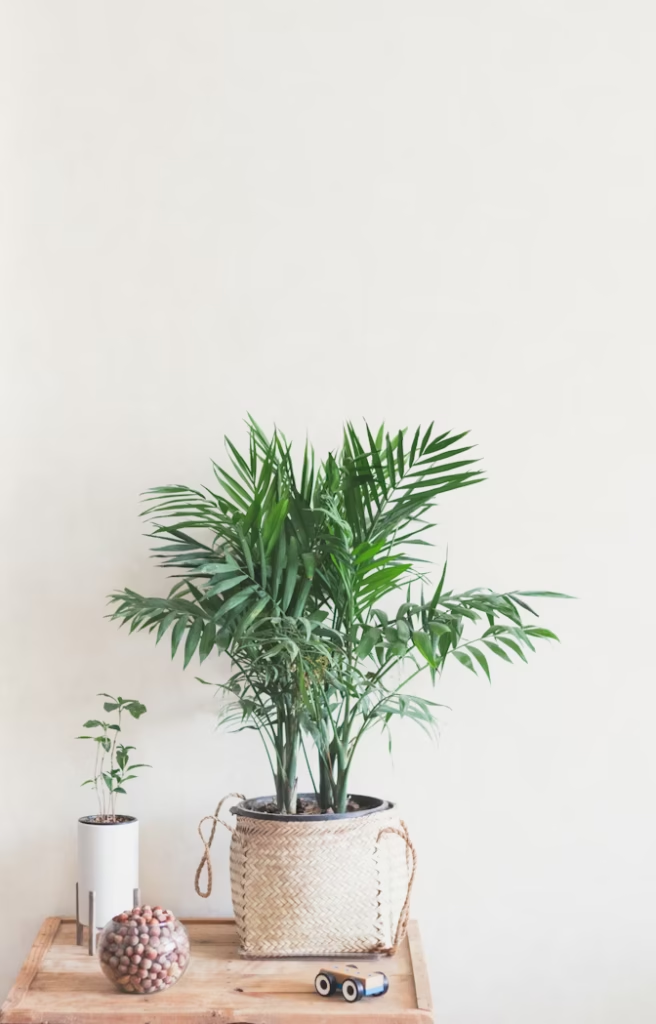
Areca palms, also known as butterfly palms or Dypsis lutescens, are among the most popular houseplants for creating a tropical feel indoors. With their feathery, arching fronds and easy-going nature, they instantly brighten any room. While these palms are hardy and adaptable, they thrive best when given the right pot, soil, light, water, and fertilizer. Let’s dive into everything you need to know about how to care for an Areca palm and keep it lush and healthy all year long.
Choosing the Right Pot for Your Areca Palm
Selecting the right pot is the first step to helping your Areca palm flourish. These tropical beauties grow best in pots that allow for proper drainage. Since Areca palms don’t like to sit in soggy soil, a pot with several drainage holes at the bottom is essential.
Choose a pot that’s one to two inches wider than the plant’s root ball. If the pot is too large, excess soil can hold water, which leads to root rot. On the other hand, a pot that’s too small can restrict root growth and stunt the plant.
Terracotta or ceramic pots work well because they’re sturdy and allow moisture to evaporate through the sides. Plastic pots are fine, too, as long as they drain properly. If you prefer a decorative pot without holes, keep your palm in a plastic grow pot inside it and remove it when watering. This way, the roots won’t stay waterlogged.
When repotting, it’s best to do so every two to three years in spring. Gently loosen the roots, place the palm in fresh soil, and water thoroughly. Repotting helps refresh nutrients and gives the roots room to spread.
Best Soil for Areca Palm Growth
Areca palms love light, airy, and well-draining soil. The perfect mix mimics their native tropical environment, where rain drains quickly through sandy soil. A combination of potting mix, peat moss, and perlite or sand works best. This blend allows water to drain freely while holding just enough moisture for the roots.
You can buy a pre-made palm or indoor plant mix from a garden center, or make your own. Mix two parts high-quality potting soil, one part peat moss or coco coir, and one part perlite. This mixture keeps the roots aerated and prevents compaction.
Avoid heavy garden soil or clay-based mixes because they hold too much water. Overly dense soil can suffocate roots and cause rot. Adding a thin layer of pebbles or coarse sand at the bottom of the pot can improve drainage even more.
Refreshing the top layer of soil once or twice a year helps replenish nutrients without always needing to repot the entire plant.
Ideal Light Conditions for Areca Palms
Areca palms thrive in bright, indirect sunlight. They love plenty of light but dislike harsh rays that can scorch their fronds. The best spot is near a window where they get filtered sunlight for most of the day.
East- or west-facing windows are perfect. If your only option is a south-facing window, use sheer curtains to soften the light. Too little light can slow growth and cause the fronds to yellow. If you notice your palm stretching toward the light, it’s a sign it needs more brightness.
Rotate your Areca palm every few weeks so all sides get even exposure. This helps the plant grow upright and evenly. During winter, when natural light is limited, you can supplement with a grow light. Keep the light on for about 10 to 12 hours a day to mimic tropical sunlight.
Avoid dark corners or windowless rooms, as the palm will gradually lose its lush, green look. Remember—consistent, moderate light keeps your Areca palm vibrant.
How to Water an Areca Palm Properly
Watering correctly is key to keeping your Areca palm healthy. These palms like their soil to stay slightly moist but not soggy. The best rule of thumb is to water when the top inch of soil feels dry to the touch.
When watering, pour slowly until water drains out of the bottom of the pot. Empty any water that collects in the saucer so the roots don’t sit in it. During spring and summer, your palm will need more frequent watering since it’s actively growing. In fall and winter, cut back slightly as growth slows down.
Using room-temperature, filtered, or rainwater is best. Areca palms can be sensitive to chemicals found in tap water, like fluoride or chlorine. If you must use tap water, let it sit overnight before watering to allow these chemicals to dissipate.
If you notice brown tips on the leaves, it might mean your plant is getting too much or too little water. Check the soil’s moisture and adjust your schedule as needed. Also, dry indoor air can make leaf tips brown, so using a humidifier or misting the fronds occasionally can help.
Consistency is important—never let the soil completely dry out for long periods, and never overwater. Striking the right balance keeps your Areca palm’s roots strong and happy.
Fertilizing Your Areca Palm for Healthy Growth
Like any tropical plant, Areca palms appreciate regular feeding during their growing season. From spring through early fall, fertilize once a month with a balanced liquid fertilizer, such as a 10-10-10 or 12-12-12 blend. This ensures your palm gets the nitrogen, phosphorus, and potassium it needs for vibrant green fronds and strong roots.
Dilute the fertilizer to half the recommended strength to avoid overfeeding, which can burn the roots. Pour the mixture evenly over the soil after watering, not when it’s dry, to prevent nutrient shock.
During winter, stop fertilizing. The plant’s growth naturally slows down, so it doesn’t need extra nutrients. Overfertilizing during this time can lead to salt buildup in the soil, which can damage roots.
If your palm’s leaves start to look pale or growth slows during the growing season, it may need a little more feeding. You can also occasionally use a slow-release fertilizer at the beginning of spring for steady nourishment over time.
Maintaining Humidity and Temperature
Areca palms love warmth and humidity. Ideally, keep the temperature between 65°F and 80°F. Avoid placing your plant near cold drafts, heating vents, or air conditioners, as sudden temperature changes can stress it.
These palms also thrive in moderate to high humidity. If your home’s air is dry—especially during winter—consider placing a humidifier nearby or setting the pot on a tray filled with pebbles and water. The evaporating moisture will keep the surrounding air more humid.
Misting the leaves once or twice a week also helps, especially if the air is very dry. This mimics their natural tropical environment and keeps the fronds looking lush and healthy.
Pruning and General Care Tips
Pruning your Areca palm keeps it looking neat and encourages fresh growth. Trim away any yellow or brown fronds at the base using clean scissors or pruning shears. Avoid cutting green stems since that can damage the plant’s health.
Wipe the leaves occasionally with a damp cloth to remove dust. Clean leaves can absorb more light and breathe better.
You can also check for pests like spider mites or mealybugs every few weeks. If you notice any, treat them promptly with a gentle insecticidal soap or neem oil spray.
Common Problems and Solutions
- Yellowing leaves: Often caused by overwatering or poor drainage. Let the soil dry slightly before the next watering.
- Brown leaf tips: Usually from dry air or water quality. Increase humidity and use filtered water.
- Slow growth: Check if the plant is getting enough light or nutrients. A gentle fertilizer boost usually helps.
Final Thoughts on Areca Palm Care
Caring for an Areca palm is simple once you understand its tropical preferences. The right pot and soil create a solid foundation, while balanced light, water, and fertilizer keep it thriving. With steady care and attention, your Areca palm will reward you with tall, graceful fronds that bring a refreshing burst of greenery to your home.
Whether you’re a beginner or an experienced plant lover, the Areca palm makes a stunning, low-maintenance addition to your indoor garden. With its air-purifying qualities and elegant look, this tropical beauty is the perfect way to bring nature indoors—one bright green frond at a time.
Please be sure to check out my Gardening Blog Post Page for more tips on all types of gardening. Including Seed Saving, Seed Starting, Orchids, Water Gardening, Coldframe Gardening, Indoor Bulb Gardening, Hydroponics, Container Gardening, Mums, Herbs, African Violets, planting Bulbs, Flower Gardening, Vegetable and Fruit Gardening, Indoor Houseplants of all kinds, Bonsai, Cactus, Succulents, Hanging plants, Deer resistant plants and even Bird, Bee, Butterfly and Hummingbird Gardens!