
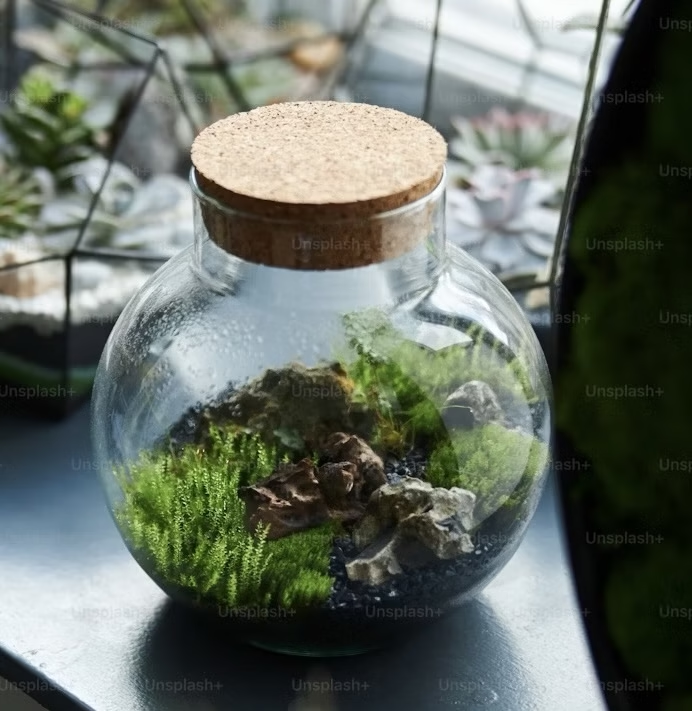
Creating a closed terrarium is one of the most rewarding and low-maintenance ways to bring greenery into your home. A closed terrarium is essentially a miniature garden housed in a glass container with a lid, designed to create its own self-sustaining ecosystem. The moisture inside the sealed container circulates through evaporation and condensation, which reduces the need for watering. With the right plants and care, your terrarium can thrive for years while adding natural beauty to your living space.
In this guide, you’ll learn how to make a closed terrarium, which plants work best, and how to plant and care for them so your indoor garden continues to flourish.
Why Choose a Closed Terrarium?
A closed terrarium has many benefits compared to other houseplant displays. Because the lid traps moisture, it creates a humid environment that mimics a tropical forest floor. This means you don’t have to water often, making it ideal for people with busy schedules or those who want a low-maintenance plant setup.
Closed terrariums also provide the perfect opportunity to experiment with design. You can layer soil, moss, rocks, and decorative elements to create a miniature landscape that feels like a tiny rainforest. On top of that, these terrariums can be placed in smaller spaces such as desks, side tables, or shelves, making them a stylish and functional décor piece.
Best Plants for a Closed Terrarium
Not every plant will thrive in a closed terrarium. Since the environment stays humid and warm, the best plants are ones that naturally grow in shaded, moist conditions. Here are some of the top choices for your enclosed garden:
1. Ferns
Ferns are a classic choice for closed terrariums because they love humidity. Varieties such as maidenhair fern, button fern, and bird’s nest fern add lush greenery and soft textures. Their fronds spread gracefully and fill space beautifully.
2. Mosses
Moss thrives in moist, shaded environments, making it an ideal ground cover for closed terrariums. Cushion moss, sheet moss, or fern moss create a natural carpet that helps lock in moisture and complete the woodland look.
3. Fittonia (Nerve Plant)
Fittonia is popular for its colorful, veined leaves that come in shades of red, pink, and white. This plant stays small, enjoys humidity, and adds vibrant contrast to your terrarium design.
4. Peperomia
Compact peperomia species like Peperomia obtusifolia or Peperomia caperata are excellent for closed terrariums. Their thick, waxy leaves handle high humidity well, and they add structure to your display.
5. Pilea
Small varieties of pilea, such as Pilea depressa or Pilea glauca, make perfect ground cover plants. Their trailing stems spread nicely without overwhelming other plants.
6. Baby Tears (Soleirolia soleirolii)
Baby Tears has tiny, delicate leaves that spread quickly and cover soil beautifully. It thrives in humid environments, making it a natural fit for closed terrariums.
7. Selaginella (Spikemoss)
Selaginella looks like a cross between moss and fern, and it loves moist, enclosed spaces. It grows well in the consistently humid environment of a closed terrarium.
8. Miniature Orchids
Some miniature orchid species can thrive in closed terrariums if they receive the right balance of light and humidity. They add exotic blooms that make your terrarium stand out.
How to Plant a Closed Terrarium
When planting a closed terrarium, proper layering and design are key to creating a healthy, self-sustaining ecosystem. Follow these steps to build yours:
Step 1: Choose the Right Container
Select a glass jar, vase, or aquarium with a lid. The lid should fit securely to trap moisture but also allow you to open it when needed for pruning or cleaning. Clear glass is best since it provides maximum light for your plants.
Step 2: Create the Drainage Layer
Start with a layer of small rocks or pebbles at the bottom of the container. This helps excess water drain away from the roots and prevents rot. Adding a thin layer of activated charcoal on top of the rocks will absorb odors and toxins, keeping the environment clean.
Step 3: Add Soil
Use a high-quality potting mix designed for tropical plants. The soil should be light and well-draining but capable of holding moisture. You can mix in a little sphagnum moss or coco coir to improve water retention.
Step 4: Plant Selection and Placement
Begin by planting taller plants toward the back or center, depending on the shape of your container. Place medium-sized plants around them, then fill in the gaps with ground covers and moss. Be gentle when planting, and use small tools or chopsticks to help guide roots into place.
Step 5: Add Moss and Decorative Elements
After planting, cover any exposed soil with moss to help lock in moisture and create a finished look. You can also add decorative stones, miniature figurines, or driftwood for added charm.
Step 6: Water Lightly and Seal
Mist the plants lightly before sealing the lid. Avoid overwatering because the terrarium will recycle moisture. Once sealed, condensation will form and circulate within the container.
Caring for a Closed Terrarium
A closed terrarium requires minimal care, but regular observation ensures that it stays healthy and attractive. Here are some essential care tips:
Light Requirements
Place your terrarium in bright, indirect light. Direct sunlight can overheat the glass and burn the plants. A north- or east-facing window is ideal. If natural light is limited, you can use a small grow light nearby.
Watering
Closed terrariums rarely need watering. If you notice heavy condensation on the glass, remove the lid for a few hours to let excess moisture escape. If the soil looks dry and condensation disappears completely, mist lightly and reseal the container.
Pruning and Maintenance
Plants in a closed terrarium may grow faster than expected due to the humidity. Trim back overgrown leaves and remove any yellowing or dead foliage to keep the ecosystem balanced. Regular pruning also prevents overcrowding.
Cleaning the Glass
Over time, condensation or algae may cloud the glass. Wipe the inside carefully with a soft cloth or paper towel to maintain clear visibility. Always avoid harsh cleaners that might harm the plants.
Pest Prevention
Pests are rare in closed terrariums, but they can sometimes appear. If you spot tiny insects, open the container and remove affected leaves. You can also use a natural insecticidal soap in small amounts if necessary.
Troubleshooting Common Problems
Even with careful planting and care, issues can arise in a closed terrarium. Knowing how to handle them will keep your plants thriving.
- Too much condensation: Open the lid for a few hours to reduce excess moisture.
- Mold growth: Remove moldy leaves immediately and allow the terrarium to air out. Adjust watering habits if needed.
- Plants turning yellow: This usually means too much water or not enough light. Cut back on watering and move the terrarium to a brighter spot.
- Overcrowding: Prune regularly or replace larger plants with smaller varieties to maintain balance.
Final Thoughts on Closed Terrariums
Making a closed terrarium is an enjoyable and creative project that lets you bring a miniature tropical environment into your home. By choosing the right plants, layering your materials properly, and giving just a little care, you can grow a thriving ecosystem that stays beautiful year-round.
Closed terrariums are perfect for beginners and experienced plant lovers alike. They are self-sustaining, easy to care for, and endlessly customizable. Whether you want to brighten a desk, decorate a shelf, or create a conversation piece in your living room, a closed terrarium is the ideal choice.
Please be sure to check out my Gardening Blog Post Page for more tips on all types of gardening. Including Seed Saving, Seed Starting, Orchids, Water Gardening, Coldframe Gardening, Indoor Bulb Gardening, Hydroponics, Container Gardening, Mums, Herbs, African Violets, planting Bulbs, Flower Gardening, Vegetable and Fruit Gardening, Indoor Houseplants of all kinds, Bonsai, Cactus, Succulents, Hanging plants, Deer resistant plants and even Bird, Bee, Butterfly and Hummingbird Gardens!