
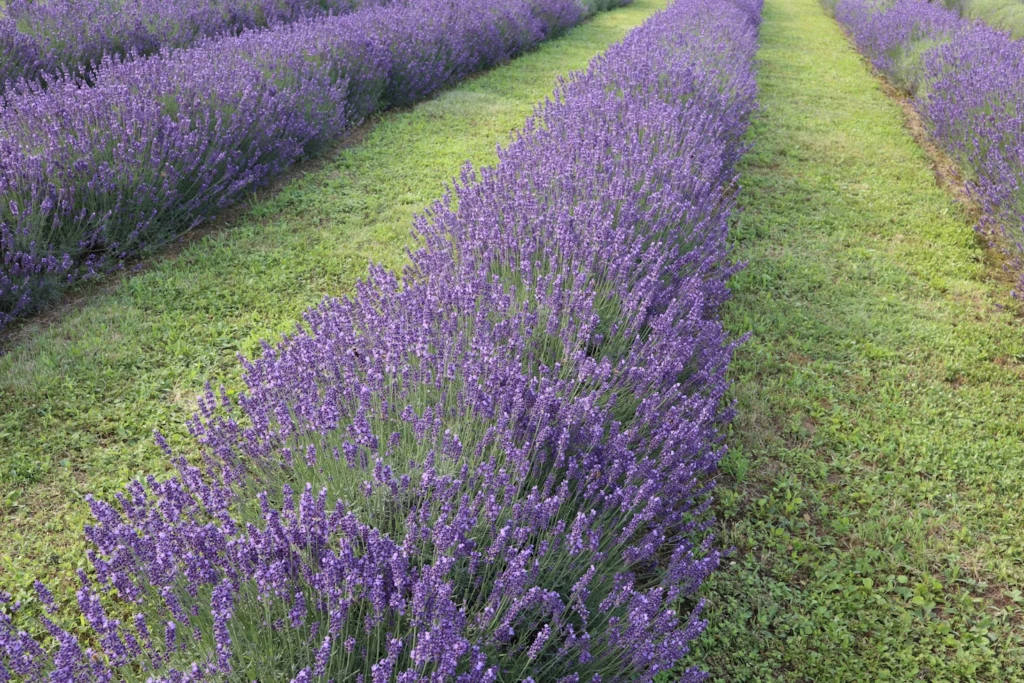
Adding a fragrant hedge to your garden not only provides privacy and structure but also fills the air with delightful scents from spring through fall. Whether you’re edging a walkway, screening a patio, or dividing your property, fragrant hedges enhance outdoor spaces with color, texture, and perfume. The key to success is choosing the right plants for your climate and maintaining them with the right care.
Best Fragrant Shrubs to Use for a Hedge
When planning a fragrant hedge, start by selecting plants that offer both scent and structure. The best choices bloom reliably, grow dense enough to form a barrier, and handle light pruning.
Lavender
Lavender is one of the most popular fragrant hedge plants. It thrives in full sun and well-draining soil. Its silvery leaves and purple flower spikes create a tidy, low hedge perfect for garden borders or along walkways. For more in-depth post on how to grow lavender hedge just click here.
Sweet Box Evergreen Shrub
This evergreen shrub is ideal for shady spots. Sweet box blooms in late winter and early spring with tiny, creamy-white flowers that release a strong vanilla-like scent. For more in-depth post on how to grow Sweet Box Evergreen Shrub just click here.
Mock Orange
Known for its citrus-scented white flowers, mock orange makes a taller hedge and blooms in late spring to early summer. It prefers full sun to part shade and rich, well-draining soil. For more in-depth post on how to grow Mock Orange just click here.
Gardenia
If you live in a warm climate (Zones 8–11), gardenias create a stunning and fragrant hedge with glossy green leaves and creamy white blooms. They need moist, acidic soil and full sun to part shade. For more in-depth post on how to grow Gardenias just click here.
Shrub Rose
Many shrub roses are excellent for fragrant hedging. Look for varieties like ‘Gertrude Jekyll’ or ‘Lady of Shalott’ that offer continuous blooms and a strong scent. Roses need full sun, good air circulation, and regular feeding. For more in-depth post on growing shrub roses just click here.
Korean Spice Viburnum
This Korean spice viburnum shrub produces pink flower clusters in early spring that emit a spicy-sweet aroma. It reaches about 6 feet tall and wide, forming a compact, moderately fast-growing hedge. For more in-depth post on growing Korean Spice Viburnum just click here.
Daphne
Daphne blooms in late winter to early spring with one of the most powerful scents in the garden. It needs partial shade, rich soil, and excellent drainage to thrive. For more in-depth post on how to grow Daphne just click here.
Jasmine
In warmer zones, jasmine vines can be trained on a support to form a vertical fragrant screen. Its white flowers perfume the garden in summer evenings. For more in depth post on how to grow Jasmine just click here.
How to Plant a Fragrant Hedge
Once you’ve chosen your plants, preparing the site properly will help your hedge thrive. Begin by marking out your hedge line using a hose or string. Space your plants according to their mature width. For example, lavender and boxwood can be planted 12 to 18 inches apart, while larger shrubs like viburnum or mock orange need 3 to 5 feet.
Next, dig a trench or individual holes twice as wide as the root balls. Mix compost into the soil to boost fertility and improve drainage. If your soil is clay-heavy, you may also want to add coarse sand or grit. Remove your plants from their containers, loosen the roots, and place each one so the top of the root ball is even with the surrounding soil. Fill in with soil, firm gently, and water thoroughly.
After planting, apply a 2- to 3-inch layer of mulch around the base of each plant, keeping it a few inches away from the stems. This helps retain moisture and keeps weeds down.
Light and Location Needs
Fragrant shrubs perform best when they receive the right amount of sunlight. Many, such as lavender, jasmine, and mock orange, thrive in full sun—defined as six or more hours of direct light per day. Others like sweet box or daphne prefer partial shade, especially in hot climates.
If you’re unsure, observe your garden throughout the day and choose a hedge location that fits the light preferences of your plants. Be sure not to crowd your hedge against fences or walls, as good air circulation helps prevent mildew and rot.
Watering Requirements
During the first year, consistent watering helps your fragrant hedge get established. Water deeply once or twice a week, depending on rainfall and soil type. The goal is to keep the root zone moist but not soggy.
Once established, many fragrant shrubs are drought tolerant. Lavender and rosemary, for example, prefer dry conditions. On the other hand, gardenia and daphne need more consistent moisture. Always water at the base to avoid wetting leaves and flowers, which can lead to fungal issues.
In hot climates or dry spells, mulching your hedge helps conserve moisture and regulate soil temperature. Just remember to renew your mulch each spring and keep it off the plant stems.
Fertilizer and Feeding Tips
Fertilizing your fragrant hedge encourages strong growth and more blooms. In early spring, feed with a balanced, slow-release fertilizer or organic compost. This gives the plants a steady supply of nutrients as they grow.
Acid-loving plants like gardenias benefit from a fertilizer made for azaleas or rhododendrons. For roses, use a bloom-boosting formula every 4 to 6 weeks during the growing season. Avoid over-fertilizing, as it can lead to excessive leaf growth at the expense of flowers.
If you’re growing lavender or rosemary, skip heavy feeding. These herbs prefer lean soil and can become leggy with too much nitrogen.
Pruning and Shaping
Pruning helps your hedge stay tidy, encourages blooms, and promotes airflow. Each shrub has its own timing and method.
For lavender, prune lightly after flowering to keep it compact. Avoid cutting into old wood, as it won’t regrow. Mock orange and viburnum should be pruned right after they bloom to avoid cutting off next year’s flower buds. Roses need deadheading throughout the season and a hard prune in late winter or early spring.
Gardenias and daphne only need light shaping after flowering. Avoid heavy pruning, as these shrubs can be slow to recover. Always use clean, sharp shears and remove dead or diseased wood as needed.
Pests and Disease Control
Fragrant shrubs are usually easy to grow, but some may face occasional pests. Aphids, whiteflies, or spider mites can appear on roses and gardenias. Use insecticidal soap or neem oil to treat infestations early.
Fungal diseases like powdery mildew or black spot can occur on roses or lavender in humid weather. Proper spacing and pruning reduce the risk by improving airflow. Watering at the base and avoiding overhead sprinkling also helps.
Keep an eye out for root rot, especially in poorly drained soils. If plants begin to wilt despite moisture, check for soggy roots and improve drainage if needed.
Seasonal Care and Protection
Most fragrant hedge shrubs are hardy, but a few may need protection in colder zones. For example, gardenia and daphneare sensitive to frost. Mulch heavily in fall and cover with burlap or frost cloth in winter if temperatures drop below their range.
In spring, check your hedge for winter damage. Trim dead tips, refresh mulch, and feed your plants to jump-start the growing season.
Final Thoughts
Planting a fragrant hedge not only transforms your garden into a sensory delight but also offers year-round beauty and function. Choose the right shrubs for your zone, plant them with care, and keep up with seasonal maintenance. Whether you prefer the crisp scent of lavender, the sweetness of daphne, or the citrusy aroma of mock orange, a fragrant hedge brings elegance and scent to your outdoor space in every season.
By following these simple steps and choosing the best-suited plants for your garden, your fragrant hedge will reward you for years to come with blooms, privacy, and perfume.
Please be sure to check out my Gardening Blog Post Page for more tips on all types of gardening. Including Seed Saving, Seed Starting, Orchids, Water Gardening, Coldframe Gardening, Indoor Bulb Gardening, Hydroponics, Container Gardening, Mums, Herbs, African Violets, planting Bulbs, Flower Gardening, Vegetable and Fruit Gardening, Indoor Houseplants of all kinds, Bonsai, Cactus, Succulents, Hanging plants, Deer resistant plants and even Bird, Bee, Butterfly and Hummingbird Gardens!