
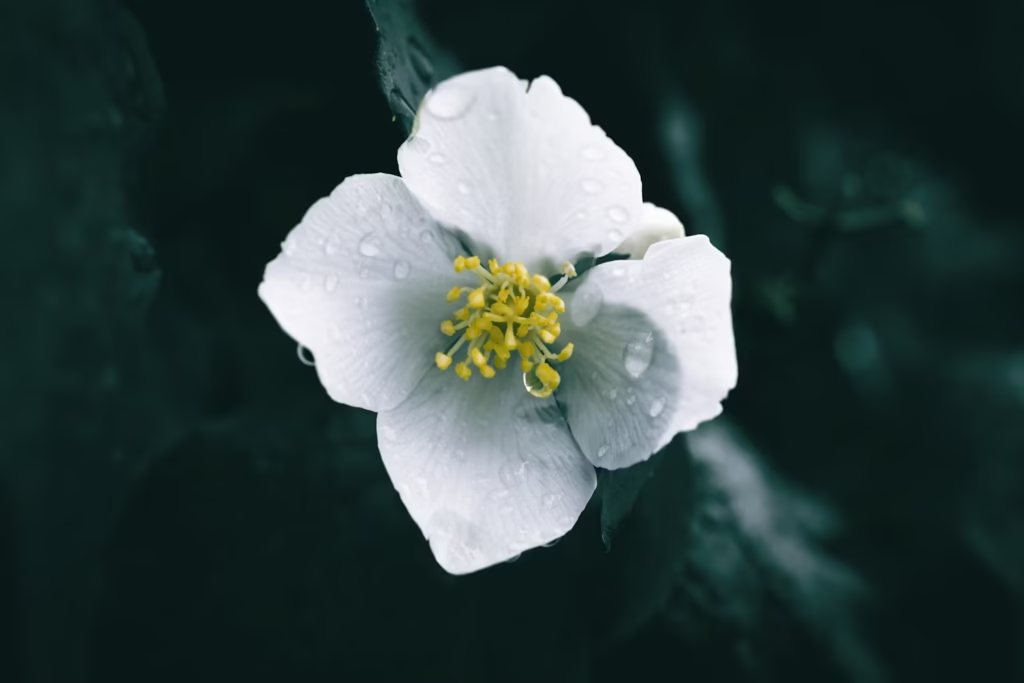
Mock orange (Philadelphus spp.) is a deciduous shrub known for its showy white flowers that bloom in late spring to early summer. These blossoms look like orange blossoms and have a sweet citrus-like fragrance that fills the garden with a classic, nostalgic scent. Mock orange is an easy-to-grow, low-maintenance plant that thrives in many regions, especially in USDA zones 4 through 8. If you want a flowering hedge, specimen shrub, or an addition to a cottage garden, this plant brings charm and beauty. Here’s how to grow and care for mock orange, including soil preparation, light, water, fertilizer, pruning, and propagation.
Preparing the Soil for Planting
Start by choosing a site with well-drained soil. Mock orange is adaptable, but it performs best in rich, loamy soil. Before planting, loosen the soil to a depth of at least 12 to 15 inches and mix in plenty of organic matter. Compost, aged manure, or leaf mold will improve soil structure and help retain moisture. If your soil is clay-heavy, add coarse sand or fine gravel along with compost to improve drainage.
It’s also a good idea to check the pH. Mock orange prefers a neutral to slightly acidic soil pH between 6.0 and 7.0. You can test your soil with a simple soil test meter. If your soil is too alkaline, amend it with peat moss or elemental sulfur. Proper soil preparation sets the foundation for healthy roots and more prolific flowering.
Light Requirements
Mock orange shrubs grow best in full sun, which means they need at least six hours of direct sunlight each day. Although they tolerate light shade, too much shade can reduce flowering. If you plant in a partially shaded location, expect fewer blooms and a leggier shape.
For the most robust growth and abundant flowers, place your mock orange where it receives full morning sun and a bit of afternoon shade if you live in a hot climate. A sunny location not only helps the plant bloom better but also improves air circulation around the shrub, which can reduce the risk of fungal diseases.
Watering Needs
Once established, mock orange is relatively drought-tolerant, but consistent watering during the first year is crucial for root development. Water deeply right after planting, and keep the soil evenly moist for the first few months. In general, give your plant about 1 inch of water per week, either from rain or supplemental watering.
During hot, dry periods, water more often to prevent stress and flower drop. Use a soaker hose or water at the base of the plant to avoid wetting the foliage. Mulching around the base helps conserve moisture and keeps roots cool in the summer. Apply a 2- to 3-inch layer of bark mulch or shredded leaves but keep it a few inches away from the main stem to prevent rot.
Fertilizing for Healthy Growth
Feeding your mock orange each spring will promote vigorous growth and plenty of blooms. Use a balanced, slow-release fertilizer such as 10-10-10. Apply it in early spring, just as new growth begins. Sprinkle the fertilizer evenly around the base of the plant, water it in thoroughly, and avoid getting it on the leaves or stems.
If you prefer organic methods, you can use composted manure or a mix of compost and alfalfa meal. Mock orange doesn’t need heavy feeding, so avoid over-fertilizing, which can lead to lush foliage and fewer blooms. A single spring feeding is usually enough for the growing season.
Pruning Mock Orange for Shape and Blooms
Pruning mock orange not only improves the shape and size of the shrub but also encourages new growth and flowering. Since it blooms on old wood, the best time to prune is right after it finishes blooming in early to mid-summer. Do not prune in fall or spring, or you’ll remove the buds for the next season.
Start by removing any dead, damaged, or crossing branches. Then, cut back about one-third of the oldest stems all the way to the ground to keep the plant open and rejuvenated. Thin out crowded growth to allow air and light to reach the inner parts of the shrub.
You can also shape the shrub by trimming the tips of stems, but avoid heavy shearing. Every 3 to 4 years, consider doing a rejuvenation pruning by cutting the entire plant back to 12 to 18 inches above the ground. This drastic pruning encourages vigorous new shoots and improves flowering in older plants.
Mock Orange Propagation
There are several ways to propagate mock orange, but the most reliable method is through softwood cuttings taken in early summer. To begin, choose a healthy, non-flowering shoot that is green and flexible. Cut a 4- to 6-inch section just below a leaf node and remove the lower leaves.
Dip the cut end in rooting hormone to increase your chances of success, then place the cutting into a pot filled with moist, well-draining potting mix. Cover the pot with a clear plastic bag or dome to maintain humidity and place it in bright, indirect light. Keep the soil moist but not soggy.
Roots should form within four to six weeks. Once rooted, transplant the new plant into a larger pot or directly into the garden in early fall or the following spring. Mock orange can also be propagated by layering or division, but these methods are less common. Division works best with very mature shrubs that have formed multiple stems with separate root systems.
Overwintering and Seasonal Care
Mock orange is cold-hardy in USDA zones 4 through 8 and doesn’t need much winter care. However, if you live in an area with harsh winters, mulching around the base with straw or bark can protect the roots from extreme cold. Young plants may also benefit from wind protection during their first winter.
In late fall, clean up any fallen leaves or debris to prevent fungal diseases and pests from overwintering. Avoid pruning in fall since this can trigger new growth that will be damaged by frost. Once spring returns, your mock orange will wake up and begin putting out fresh growth.
Pest and Disease Management
Mock orange is generally pest- and disease-free, but it can occasionally suffer from aphids, scale insects, or powdery mildew. You can spray aphids off with a strong stream of water or treat infestations with insecticidal soap. For scale insects, prune infested branches and apply horticultural oil in early spring.
If powdery mildew appears during humid weather, remove affected leaves and improve air circulation around the plant by pruning crowded growth. Avoid overhead watering and make sure your mock orange has plenty of sunlight to reduce fungal issues.
Using Mock Orange in the Garden
Mock orange is incredibly versatile. Plant it as a flowering hedge, as part of a mixed border, or use it as a backdrop for shorter perennials. Its pure white blooms stand out beautifully against darker foliage and other colorful plants. Some gardeners plant it near patios or walkways to enjoy the fragrance up close.
Compact cultivars like Philadelphus ‘Miniature Snowflake’ work well in small gardens or containers, while taller types like Philadelphus coronarius make an impressive screen or privacy hedge. No matter where you place it, mock orange brings timeless beauty and an irresistible scent to your landscape.
Final Thoughts
Growing mock orange is easy and rewarding. With proper soil preparation, the right sunlight, and consistent care, your shrub will reward you with fragrant white blooms year after year. Whether you’re adding it to a cottage garden, using it as a flowering hedge, or showcasing it near your porch, mock orange offers lasting charm and low-maintenance appeal. Make sure to prune at the right time and propagate new plants if you want to expand your collection. With just a little effort, you’ll enjoy the sweet citrus scent and classic look of mock orange in your garden for many seasons to come.
Please be sure to check out my Gardening Blog Post Page for more tips on all types of gardening. Including Seed Saving, Seed Starting, Orchids, Water Gardening, Coldframe Gardening, Indoor Bulb Gardening, Hydroponics, Container Gardening, Mums, Herbs, African Violets, planting Bulbs, Flower Gardening, Vegetable and Fruit Gardening, Indoor Houseplants of all kinds, Bonsai, Cactus, Succulents, Hanging plants, Deer resistant plants and even Bird, Bee, Butterfly and Hummingbird Gardens!