
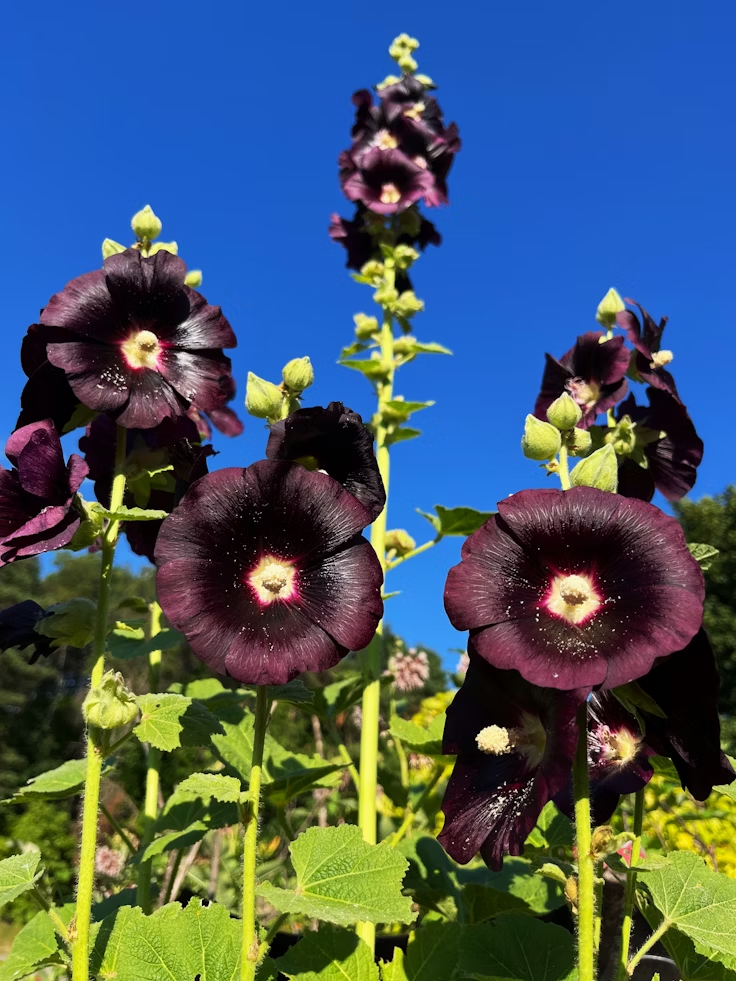
Hollyhocks bring old-fashioned charm to any garden with their towering stalks and cheerful blooms. These beautiful biennials or short-lived perennials are easy to grow from seed and offer a burst of color during summer. Whether you’re planting in spring or fall, hollyhocks thrive with a bit of preparation and care. In this complete guide, you’ll learn how to grow hollyhocks successfully—from soil prep and planting by zone to light, water, fertilization, propagation, and overwintering. You’ll also find out how tall hollyhocks get and how to keep them blooming year after year.
When to Plant Hollyhocks by Zone
Timing your planting is key to strong growth and a good bloom cycle. If you’re sowing seeds directly outdoors, it’s important to match your planting schedule with your USDA growing zone.
In zones 3–7, plant hollyhock seeds in late summer to early fall so they can establish roots before winter. Fall planting helps the plants get a head start in spring. If planting in spring, wait until the danger of frost has passed and the soil has warmed—usually mid to late spring depending on your region.
In zones 8–10, you can sow hollyhocks from late fall through early spring, taking advantage of the milder winters. These zones allow more flexibility because the seeds won’t face harsh freezes.
How to Prepare Soil for Hollyhocks
Good soil preparation makes all the difference for healthy hollyhocks. These tall plants grow best in rich, well-draining soil with a pH between 6.0 and 8.0. This 4 in 1 soil meter is perfect for both testing and monitoring your soil. Begin by loosening the soil to a depth of 12 to 18 inches, since hollyhocks develop deep taproots.
Next, mix in plenty of organic compost or aged manure to boost nutrients. If your soil is heavy clay or tends to stay wet, add sand or fine gravel to improve drainage. Hollyhocks don’t like soggy roots, so raised beds or well-prepared garden borders work best.
Planting Hollyhocks from Seed
Growing hollyhocks from seed is easy, whether you plant in spring or fall. Start by selecting a spot with good airflow and full sun. To plant seeds outdoors, scatter them lightly across the prepared soil and cover them with ¼ inch of soil. Gently pat the surface down and water well.
In cooler regions, you can also start hollyhock seeds indoors about 8 to 10 weeks before the last frost date, then transplant them outdoors once seedlings have at least two sets of true leaves.
Seedlings will form a low rosette of leaves in their first year and send up flower stalks in the second. If you start early in spring or fall in mild climates, you might see flowers the first summer.
Light Requirements for Hollyhocks
Hollyhocks love sunlight and need at least 6 hours of direct sun daily to bloom their best. Choose a location where the plants will receive morning and early afternoon sun. While they can tolerate a bit of afternoon shade, full sun encourages strong, tall flower spikes and more abundant blooms.
In areas with hot, dry summers, a little afternoon shade helps prevent scorched leaves, but don’t plant them in full shade—too little light results in weak growth and poor flowering.
Watering Hollyhocks
To grow strong and healthy hollyhocks, water them deeply but infrequently. Aim to keep the soil evenly moist, especially during the growing season and blooming period. Young plants need more regular moisture, so water them once or twice per week until they’re well-established.
Once mature, hollyhocks become somewhat drought-tolerant. However, consistent moisture encourages longer blooming and prevents leaf stress. Always water at the base of the plant to avoid wetting the leaves, which can lead to rust, a common fungal issue in hollyhocks.
Fertilizing Hollyhocks
These tall bloomers need extra nutrients to produce large, showy flowers. In early spring, apply a balanced slow-release fertilizer, such as a 10-10-10 formula, to support leaf and stem growth. Once flower stalks begin to develop, switch to a bloom-boosting fertilizer with more phosphorus to encourage flowering.
You can also top-dress plants with compost or organic mulch during the growing season. This adds nutrients, conserves moisture, and reduces weeds. Avoid over-fertilizing, as it can lead to lush foliage with fewer blooms.
How Tall Do Hollyhocks Get?
Hollyhocks are known for their impressive height. Most varieties grow between 5 and 8 feet tall, although some can reach up to 10 feet in ideal conditions. Because of their height, it’s best to plant them along fences, walls, or at the back of garden beds where they can be supported and stand out.
You may need to stake them in windy areas or if the flower stalks get especially tall and top-heavy. Using a bamboo stake or wooden dowel tied loosely with garden twine helps keep them upright and looking their best.
How to Propagate Hollyhocks
Besides growing from seed, hollyhocks can also be propagated by root cuttings or division, although seed is the most common method. After the flowers fade, hollyhocks produce flat, round seed pods. Allow them to dry on the plant, then collect the seeds and store them in a cool, dry place for future planting.
If you want more plants, sow the seeds in late summer or early fall in a prepared bed. Hollyhocks also self-seed readily, so you can let nature do the work by leaving some pods on the plants.
For root propagation, dig up a mature plant in early spring and carefully divide the taproot. Replant the sections immediately. Keep in mind that hybrid varieties may not come true from seed or root divisions, so for consistent color, buy seeds from reliable sources.
How to Overwinter Hollyhocks
In colder zones, hollyhocks need some winter protection. After blooming ends in late summer or early fall, allow the seed heads to dry if you want to collect them. Then cut the flower stalks down to just a few inches above ground level.
Apply a thick layer of mulch, such as shredded leaves or straw, over the crown of the plant to insulate it during winter. In zones 3–6, this step is especially important to prevent root damage from deep freezes.
In warmer zones, hollyhocks often stay green through winter or come back earlier in spring. If you’re growing them in containers, move pots to a sheltered, unheated space during the coldest months to protect the roots from frost.
Final Tips for Growing Healthy Hollyhocks
To keep your hollyhocks thriving year after year, be proactive about pest and disease control. Rust, a fungal disease, appears as orange or yellow spots on the leaves. Remove affected leaves right away, avoid overhead watering, and provide plenty of airflow between plants.
Aphids, Japanese beetles, and slugs are common pests to watch for. Use insecticidal soap, hand-picking, or organic deterrents like neem oil to manage them without harming pollinators.
Deadhead spent flowers to extend blooming, but leave a few to go to seed if you want natural reseeding. Every few years, rotate where you plant hollyhocks to reduce the buildup of soil-borne disease.
Please be sure to check out my Gardening Blog Post Page for more tips on all types of gardening. Including Seed Saving, Seed Starting, Orchids, Water Gardening, Coldframe Gardening, Indoor Bulb Gardening, Hydroponics, Container Gardening, Mums, Herbs, African Violets, planting Bulbs, Flower Gardening, Vegetable and Fruit Gardening, Indoor Houseplants of all kinds, Bonsai, Cactus, Succulents, Hanging plants, Deer resistant plants and even Bird, Bee, Butterfly and Hummingbird Gardens!
