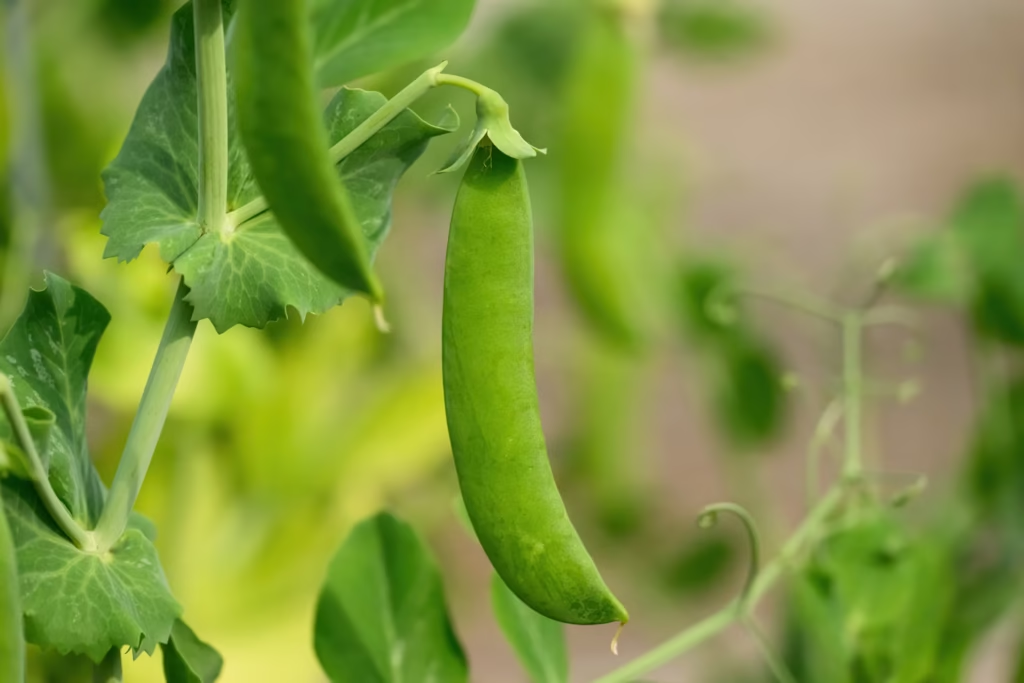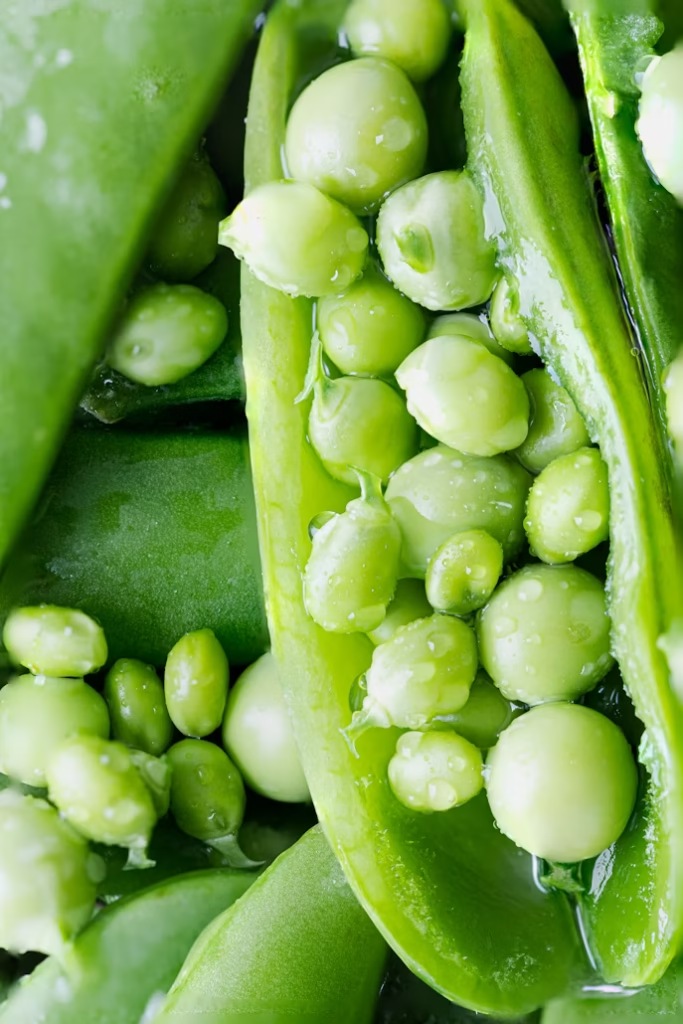
Planting peas in the fall is a smart way to enjoy a late-season harvest of this crisp, sweet vegetable. Most gardeners think of peas as a spring crop, but with proper planning and timing, they also thrive in cooler fall weather. Since peas are frost-tolerant and grow best in temperatures between 55°F and 75°F, fall planting can produce a rich crop before winter sets in. However, your planting date will depend on your USDA growing zone. Knowing when and how to plant peas in fall ensures a healthy harvest of shelling peas, snap peas, or snow peas before the first hard frost arrives.
Why Fall is a Good Time to Plant Peas
Fall brings cooler temperatures and more consistent moisture, which peas love. Unlike spring when the soil may stay too wet and delay planting, fall usually provides better drainage and fewer pests. Additionally, fall peas often face less disease pressure and don’t compete with as many weeds. Peas fix nitrogen in the soil, making them excellent for building soil health ahead of winter. Growing peas in the fall also gives gardeners a second chance if the spring crop failed or if spring weather was uncooperative.
Best Types of Peas for Fall Planting
When planting peas in the fall, choose fast-maturing varieties that are ready to harvest in 55 to 70 days. Look for snow peas like ‘Oregon Sugar Pod II’, snap peas like ‘Sugar Ann’ or ‘Sugar Snap’, or shelling peas such as ‘Little Marvel’. These varieties tend to mature quickly and tolerate shorter fall daylight hours. Avoid planting long-season types since they may not have time to mature before frost.
How to Prepare the Soil for Fall Peas
Before planting fall peas, loosen the soil to at least 8 inches deep. Mix in compost or aged manure to improve drainage and add nutrients. Peas prefer slightly acidic to neutral soil with a pH between 6.0 and 7.0. Avoid high-nitrogen fertilizers, as peas are legumes and already fix their own nitrogen. If your soil is heavy clay, add sand or leaf mold to improve texture and avoid waterlogging. A light mulch of straw after planting will help retain moisture and regulate soil temperature. This 4 in 1 soil meter is perfect for testing and monitoring your soil.
When to Plant Fall Peas by USDA Zone
Knowing your first expected frost date is key to planting peas for fall harvest. You’ll want to count backward from that date based on the days to maturity of your chosen variety. Most fall peas should be planted about 8 to 10 weeks before the average first frost. Below is a breakdown of when to plant peas by zone.
USDA Zones 3–4
In zones 3 and 4, where the first frost can arrive as early as late September or early October, fall planting is tricky. If you want to try fall peas here, plant them no later than early July. Even then, growth may slow as nights become colder by late August. In these northern zones, it’s often better to stick to spring planting, but if you’re determined, use row covers to help extend your growing season.
USDA Zone 5
In zone 5, the first frost typically arrives in early to mid-October. To ensure your peas have time to grow, plant them between mid-July and early August. Choose quick-growing varieties and watch the weather closely. If temperatures remain warm into fall, you could enjoy a crisp harvest just before the freeze. Adding floating row covers later in the season can help protect the plants and extend harvest time.
USDA Zone 6
For gardeners in zone 6, plant peas from late July to early August. The first frost in this zone usually comes in mid to late October, which allows enough time for peas to reach maturity. Make sure your planting site gets full sun and use mulch to keep the soil cool if summer temperatures spike after planting.
USDA Zone 7
In zone 7, where the first frost comes in late October or early November, peas can go in the ground from late August through early September. At this point in the year, summer heat begins to fade, and the conditions become ideal for pea seedlings to thrive. Water consistently and thin seedlings to prevent crowding, which can lead to mold or mildew in humid areas.
USDA Zone 8
Fall pea planting in zone 8 should take place in early to mid-September. With a first frost date that usually falls in mid to late November, this zone offers a longer fall growing season. You can even stagger plantings over several weeks to stretch the harvest into early winter. Use raised beds if your area experiences heavy fall rains, and consider installing trellises for climbing varieties to improve airflow and reduce disease.
USDA Zone 9
In zone 9, where frost may not arrive until December or later, fall planting of peas can happen from mid-September through early October. Peas planted here will enjoy mild fall temperatures and may even continue producing into early winter. Trellis your peas to encourage good airflow and keep the pods clean. Fall peas in this zone are especially tender and flavorful since they develop during cooler, slower-growing conditions.
USDA Zone 10
Zone 10 gardeners benefit from a long fall growing season. Plant peas in late October to early November, once the worst of the summer heat has passed. In this warm zone, fall peas are often more successful than spring ones due to fewer pests and diseases. Choose heat-tolerant varieties if temperatures remain warm through early fall. Make sure to keep the soil evenly moist until the seedlings are well established.
USDA Zone 11
In this tropical zone, fall planting of peas should be timed for November or even early December. The cooler temperatures of winter create ideal conditions for pea growth. While true frosts are rare in this zone, peas may not grow well if daytime temperatures stay consistently above 80°F. To ensure success, plant in partial shade if temperatures remain high into the fall months.
How to Plant Fall Peas
Once you’ve determined your planting window based on your zone, it’s time to get the seeds in the ground. Soak pea seeds in water for 6 to 8 hours before planting to encourage quick germination. Plant seeds 1 inch deep and 2 inches apart in rows spaced about 18 to 24 inches apart. Water thoroughly after planting and keep the soil moist, especially during hot spells. When seedlings are 3 inches tall, thin them to allow good air circulation. Use a trellis for climbing peas or small supports for bush types.
Care and Maintenance for Fall Peas
Keep your fall peas well-watered but not soggy. As the days shorten, growth slows, so steady moisture is crucial. Mulch helps keep the soil cool and reduces evaporation. Fertilize only if needed, using a low-nitrogen blend. Watch for pests like aphids, especially in zones where fall temperatures remain warm. Remove any diseased leaves quickly to prevent spread. Harvest pods regularly once they mature, which encourages continued production until frost.
Protecting Fall Peas from Early Frost
If frost arrives earlier than expected, cover your pea plants with row covers or lightweight fabric at night. This simple step can extend your harvest by several weeks. Some gardeners use low tunnels or cold frames to protect fall crops, which works well for peas in borderline zones like 6 and 7. As long as the ground stays unfrozen and the plants are shielded from frost, peas can continue to ripen slowly into early winter.
Final Thoughts
Growing peas in the fall is a rewarding way to make the most of your garden and enjoy a second harvest before winter sets in. With proper timing, soil preparation, and zone-specific planting, your fall peas will thrive in the cool, moist conditions they love. Whether you live in a northern zone with a short fall window or a southern zone with a long, mild autumn, planting peas in late summer or early fall can lead to a sweet and tasty crop that’s perfect for roasting, steaming, or adding to soups and salads.
For best results, always choose fast-maturing varieties and plan your planting based on your average first frost date. Keep your soil healthy, water consistently, and protect your plants from early frost. With a little planning and care, you’ll be harvesting crisp, sweet peas right when the air turns cool and the days grow short.
Please be sure to check out my Gardening Blog Post Page for more tips on all types of gardening. Including Seed Saving, Seed Starting, Orchids, Water Gardening, Coldframe Gardening, Indoor Bulb Gardening, Hydroponics, Container Gardening, Mums, Herbs, African Violets, planting Bulbs, Flower Gardening, Vegetable and Fruit Gardening, Indoor Houseplants of all kinds, Bonsai, Cactus, Succulents, Hanging plants, Deer resistant plants and even Bird, Bee, Butterfly and Hummingbird Gardens!