
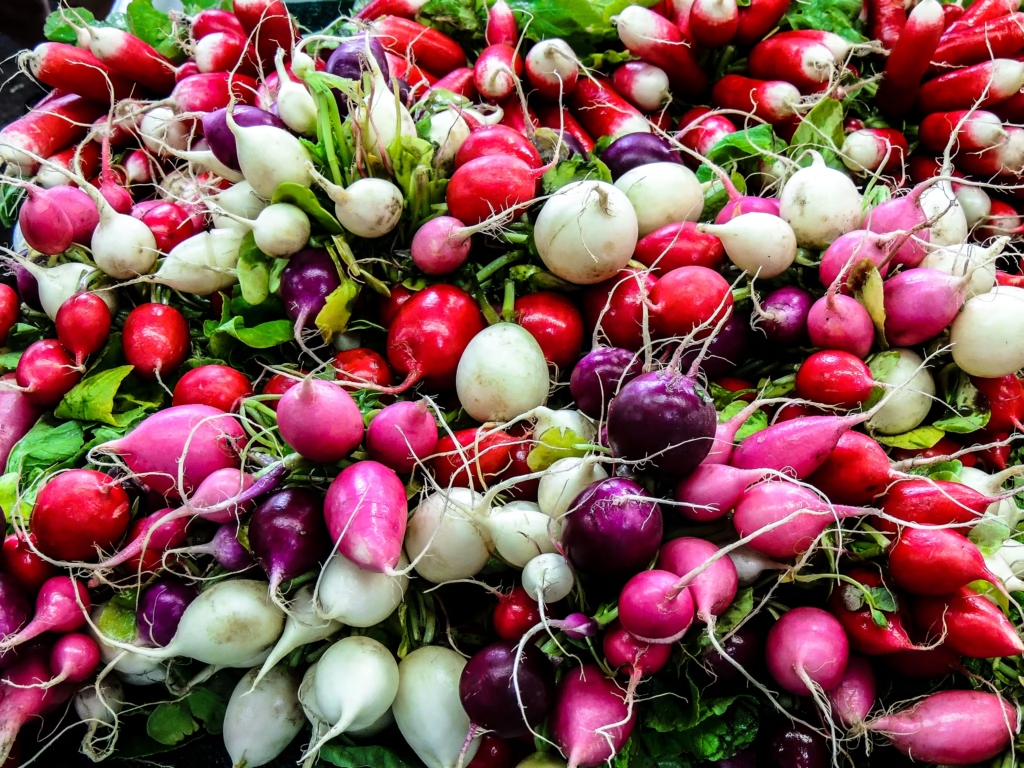
As the heat of summer starts to mellow, late summer becomes a second chance to grow a fresh round of vegetables. Whether you missed the spring planting window or simply want to enjoy more homegrown produce, planting vegetables in late summer can be incredibly rewarding. Knowing what to grow and when depends on your USDA hardiness zone. In this guide, you’ll discover the best vegetables to grow in late summer and how to plant them successfully in your region.
Why Plant Vegetables in Late Summer?
Late summer is the perfect time to plant cool-weather crops. As the temperatures begin to drop, many vegetables thrive. You also avoid the pests and diseases that often plague gardens during the peak of summer. With good planning, you can extend your harvest well into fall—and even winter in some regions. Moreover, soil still holds warmth from summer, helping seeds sprout quickly.
How to Determine Your Planting Zone
Before you choose what to plant, first find out your USDA hardiness zone. Zones range from 1 (coldest) to 13 (hottest). Most of the continental United States falls between zones 3 and 10. If you’re unsure of your zone, you can check the USDA Plant Hardiness Map. Once you know your zone, match it with the crops that grow best in your region during late summer.
Late Summer Vegetables for Zones 3–4 (Short Growing Season)
In these colder zones, frost arrives early, so quick-growing and frost-tolerant vegetables are ideal. Stick with crops that mature in 60 days or less.
Vegetables to plant:
Start leafy greens from seed directly in the ground in early to mid-August. Because days are still warm, the seeds will germinate quickly. However, cooler nights will help the plants develop their best flavor. Cover your crops with row covers in September to protect them from light frost and extend your growing window.
Late Summer Vegetables for Zones 5–6
These zones enjoy a bit more time before the first frost. You can safely plant both leafy greens and root vegetables in late July through early August.
Vegetables to plant:
Start broccoli and cabbage from transplants if possible, as they take longer to mature. Sow beets and carrots directly into well-watered soil and thin them after sprouting. Add mulch around your vegetables to help retain moisture and keep soil temperatures consistent.
Late Summer Vegetables for Zones 7–8
Gardeners in zones 7 and 8 can enjoy a longer growing season, giving them the chance to grow both cool-season vegetables and fast-maturing warm-season crops.
Vegetables to plant:
You can plant a second round of bush beans and squash in late July to early August. These vegetables mature quickly and will produce until the first frost. At the same time, sow spinach, lettuce, and radishes for cool-season harvesting in fall. Provide partial shade for leafy greens if temperatures are still high, and water regularly to encourage healthy growth.
Late Summer Vegetables for Zones 9–10
In these warm zones, the growing season never really ends. You can plant a wide variety of crops from late July through September.
Vegetables to plant:
Start tomatoes and peppers from transplants rather than seeds for a faster harvest. Choose heat-tolerant and disease-resistant varieties. Okra thrives in the late-summer heat and continues producing into the fall. For root vegetables, plant them in well-drained soil and keep the area consistently moist. Use mulch to reduce soil evaporation and discourage weeds.
Best Practices for Planting Late Summer Vegetables
Late summer planting requires a slightly different approach than spring gardening. Soil can be drier, the sun is stronger, and seedlings need more attention to get established. Follow these tips to ensure success:
Prepare the Soil
Always begin by refreshing your soil. Remove any spent spring crops and weeds. Mix in compost or aged manure to replenish nutrients. If your soil is compacted from summer heat, loosen it with a garden fork to encourage root growth.
Water Regularly
Late summer heat can dry out soil quickly. Newly planted seeds and seedlings need steady moisture to germinate and grow. Water deeply in the early morning and use mulch to retain moisture.
Provide Shade if Needed
For leafy greens like spinach, lettuce, or arugula, consider using shade cloth or planting on the east side of taller plants. This protects them from harsh afternoon sun and prevents bolting.
Watch for Pests
While late summer has fewer pests than early summer, cabbage worms, aphids, and flea beetles may still appear. Use floating row covers or insecticidal soap to protect your crops. Check plants daily for any signs of damage.
Stagger Planting for Longer Harvests
To enjoy a steady supply of vegetables through the fall, sow seeds every 7–10 days. This works especially well with fast-growing crops like radishes, lettuce, and spinach.
Vegetables to Avoid in Late Summer
While many vegetables grow well in late summer, some should be avoided. Corn, pumpkins, and large heirloom tomatoes take too long to mature and won’t produce before frost in most zones. Instead, choose fast-growing or frost-hardy vegetables that can handle shortening days and cooling nights.
Extend Your Harvest into Fall and Winter
Even in colder zones, it’s possible to extend your growing season. Use cold frames, row covers, or low tunnels to protect your vegetables from frost. In warmer zones, you can plant again in late September for a true fall or winter garden. Hardy crops like kale, collards, and carrots become sweeter after frost and can last into early winter with a little protection.
Final Thoughts
Late summer is not the end of the gardening season—it’s the beginning of a new one. With the right vegetables and good timing, you can enjoy a second wave of homegrown produce that tastes better and often grows faster than your spring garden. No matter your zone, there’s something delicious you can grow now. So grab your seeds, prepare your soil, and plant your way into fall.
Please be sure to check out my Gardening Blog Post Page for more tips on all types of gardening. Including Seed Saving, Seed Starting, Orchids, Water Gardening, Coldframe Gardening, Indoor Bulb Gardening, Hydroponics, Container Gardening, Mums, Herbs, African Violets, planting Bulbs, Flower Gardening, Vegetable and Fruit Gardening, Indoor Houseplants of all kinds, Bonsai, Cactus, Succulents, Hanging plants, Deer resistant plants and even Bird, Bee, Butterfly and Hummingbird Gardens!