
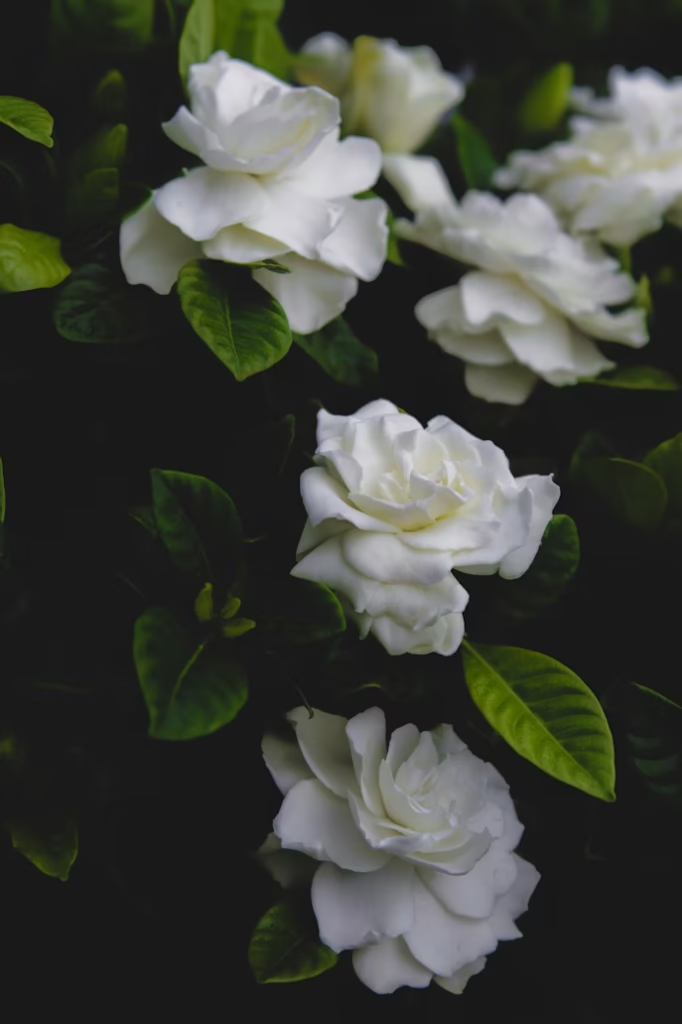
The August Beauty Gardenia is a favorite among gardeners who want lush evergreen foliage and creamy white blooms that perfume the garden from spring through fall. This reliable gardenia variety thrives in warm climates and produces more blooms than many other types. With the right care, August Beauty Gardenia can become the showpiece of your garden. In this post, you’ll learn how to plant, grow, and maintain this stunning bush for season-long beauty and fragrance.
Choose the Right Spot
To grow a healthy August Beauty Gardenia, start by choosing the right location. This shrub grows best in USDA Zones 7 through 11. It loves full sun to partial shade, but in hotter zones, morning sun and afternoon shade offer the ideal light conditions. Too much hot afternoon sun can scorch the leaves, while too little light can reduce blooming.
Soil is just as important. Gardenias need acidic, well-drained soil rich in organic matter. Before planting, test your soil’s pH. Gardenias prefer a pH between 5.0 and 6.0. If your soil is too alkaline, you can amend it with organic compost, peat moss, or sulfur to lower the pH.
Planting August Beauty Gardenia
Once you’ve picked the right spot, it’s time to plant. You can plant August Beauty Gardenia in the ground or in containers. Either way, choose spring or early fall when temperatures are mild.
Start by digging a hole twice as wide and just as deep as the plant’s root ball. Gently remove the plant from its pot, loosen the roots a little, and place it in the hole. The top of the root ball should be level with the soil surface. Backfill with a mix of native soil and compost, pressing gently to remove air pockets.
Next, water thoroughly to help the roots settle. After that, apply a 2- to 3-inch layer of mulch around the base of the plant to retain moisture and regulate soil temperature. Be sure to keep mulch a few inches away from the stem to avoid rot.
Watering Needs
August Beauty Gardenia prefers consistently moist soil but not soggy conditions. During the first few months after planting, water deeply two to three times per week. Once established, reduce to once or twice a week depending on weather and soil type.
In hot weather, check the soil often. If the top inch feels dry, it’s time to water. Gardenias are sensitive to drought, and too little water can cause buds to drop or leaves to yellow. However, overwatering can lead to root rot, so always make sure the soil drains well.
Light Requirements
Light is a key factor in getting abundant blooms from your August Beauty Gardenia. This shrub thrives in locations with full sun in the morning and filtered shade in the afternoon. If you plant it in too much shade, it may grow lush green leaves but bloom very little.
On the other hand, too much intense sun can cause leaf burn, especially in southern climates. A good balance—at least four to six hours of sunlight each day—encourages both growth and flowering.
Fertilizing for More Blooms
To keep your August Beauty Gardenia blooming from spring through fall, regular feeding is important. Begin fertilizing in early spring using a fertilizer made for acid-loving plants. Look for products labeled for azaleas, camellias, or gardenias.
Use a fertilizer specifically for acid loving plants. Apply monthly from March through August following package instructions. Stop fertilizing by early fall to allow the plant to prepare for winter dormancy.
Yellow leaves often indicate a lack of nutrients or iron. If this happens, you can apply a chelated iron supplement or switch to a fertilizer with added micronutrients.
Pruning and Shaping
Pruning helps keep your August Beauty Gardenia bush full and tidy. After the main flush of blooms in late spring or early summer, trim back long or unruly branches. Remove spent flowers and any crossing or damaged stems.
Avoid heavy pruning in late summer or fall, as this can remove buds forming for next season’s blooms. Light shaping is fine, but save bigger pruning jobs for right after flowering ends in early summer.
With regular trimming, you can maintain your gardenia as a compact hedge or let it grow naturally into a taller specimen. It typically reaches 4 to 6 feet tall and wide when mature.
Pests and Problems
Although gardenias are beautiful, they can be vulnerable to a few pests. The most common issues are whiteflies, aphids, scale insects, and spider mites. Check your leaves regularly, especially the undersides, for signs of pests like sticky residue or webbing.
If you notice a problem, start with a gentle spray of water to knock insects off. For more stubborn infestations, use insecticidal soap or neem oil. Apply in the early morning or late afternoon to avoid sun damage.
Fungal issues such as powdery mildew or leaf spot can also occur in humid conditions. Improve air circulation by spacing plants well and avoiding overhead watering. If needed, apply a fungicide made for ornamental plants.
Growing in Containers
If you live in a cooler climate or have limited garden space, you can grow August Beauty Gardenia in containers. Choose a large pot with drainage holes and use a soil mix made for acid-loving plants.
Place your pot in a sunny location that gets bright morning light and afternoon shade. Water consistently, and feed monthly with fertilizer formulated for gardenias. Container-grown gardenias are more sensitive to temperature shifts, so move them indoors when frost threatens.
Keep your plant near a bright window or under grow lights through the winter. Reduce watering in the cooler months but don’t allow the soil to dry out completely.
Seasonal Care Tips
Caring for August Beauty Gardenia changes slightly with the seasons. In spring, feed the plant and prune lightly. In summer, focus on watering, mulching, and deadheading spent blooms to encourage new flowers.
In fall, reduce fertilizer and prune only if necessary. This is the time to prepare your plant for winter. If a frost is expected in your zone, cover the shrub with a frost cloth or move potted plants inside.
During winter in mild zones, August Beauty Gardenia stays green and may bloom sporadically on warm days. In colder regions, protect the roots with mulch and avoid pruning or fertilizing until spring returns.
Propagating August Beauty Gardenia
If you’d like to grow more gardenias from your existing plant, try propagating from stem cuttings. Take 4- to 6-inch cuttings from semi-hardwood stems in late spring or early summer. Strip the leaves from the lower half and dip the cut end in rooting hormone.
Plant the cutting in moist, well-drained potting mix and cover it with a plastic dome or bag to keep humidity high. Place the container in bright, indirect light. Within a few weeks, roots should form. Once established, move the new plant to a larger container or garden bed.
Final Thoughts
The August Beauty Gardenia is a reliable, fragrant, and elegant addition to any landscape. With its creamy white blooms, glossy evergreen leaves, and long flowering season, it provides months of color and scent. By giving it the right light, soil, water, and nutrients, you can enjoy healthy growth and abundant flowers year after year. Whether grown in the ground or in a container, this gardenia variety lives up to its name—bringing lasting beauty to your outdoor space.
Please be sure to check out my Gardening Blog Post Page for more tips on all types of gardening. Including Seed Saving, Seed Starting, Orchids, Water Gardening, Coldframe Gardening, Indoor Bulb Gardening, Hydroponics, Container Gardening, Mums, Herbs, African Violets, planting Bulbs, Flower Gardening, Vegetable and Fruit Gardening, Indoor Houseplants of all kinds, Cactus, Succulents, Hanging plants, Deer resistant plants and even Bird, Bee, Butterfly and Hummingbird Gardens!