

When the peak of summer arrives and many plants begin to fade, it’s time to turn to late summer flowering plants that thrive in the heat and continue to bloom with vibrant color. These tough yet stunning flowers provide garden interest through August and into early fall. By choosing plants that bloom during late summer, you can keep your garden looking alive and colorful when many others are drying out. Here are 10 flowering plants that perform beautifully in the late summer heat, along with care tips to help each one thrive.
Black-Eyed Susan (Rudbeckia hirta)
Black-eyed Susan brings bright yellow petals and a dark center that stand out in summer landscapes. This native perennial thrives in full sun and well-drained soil. It’s drought-tolerant and requires only occasional watering once established. Deadheading faded blooms will encourage more flowers. Black-eyed Susan pairs beautifully with ornamental grasses or other prairie flowers. For more in depth post on how to grow Black-eyed Susan just click here.
Coneflower (Echinacea purpurea)
Coneflowers are hardy perennials that bloom from midsummer into fall. Their daisy-like flowers with cone-shaped centers attract bees and butterflies. Plant them in full sun with moderately rich, well-draining soil. They tolerate drought and heat well and benefit from occasional deep watering. Deadhead to prolong blooming or let the seed heads feed birds in the fall. For more in depth post on how to grow Coneflower just click here.
Russian Sage (Perovskia atriplicifolia)
Russian sage adds long-lasting lavender-blue flowers that appear in late summer. It thrives in full sun and dry, sandy soil. This plant prefers to stay dry, so avoid overwatering. Prune it in early spring to encourage new growth and prevent legginess. Its aromatic, silver foliage also adds texture and interest. For more in depth post on how to grow Russian Sage just click here.
Joe Pye Weed (Eutrochium purpureum)
Joe Pye Weed is a tall, bold native perennial that blooms with mauve-pink flower clusters in late summer. It prefers moist, well-drained soil and full sun to partial shade. This pollinator magnet can grow up to six feet tall, making it perfect for the back of borders. Water it regularly, especially during dry spells. For more in depth post on how to grow Joe Pie Weed just click here.
Sedum ‘Autumn Joy’
This succulent perennial produces clusters of pink flowers that deepen to rusty red as the season progresses. It thrives in full sun and poor to average, well-drained soil. Sedum tolerates heat and drought with ease. Leave the seed heads intact through winter for added texture and interest. For more in depth post on how to grow Sedum just click here.
Zinnias
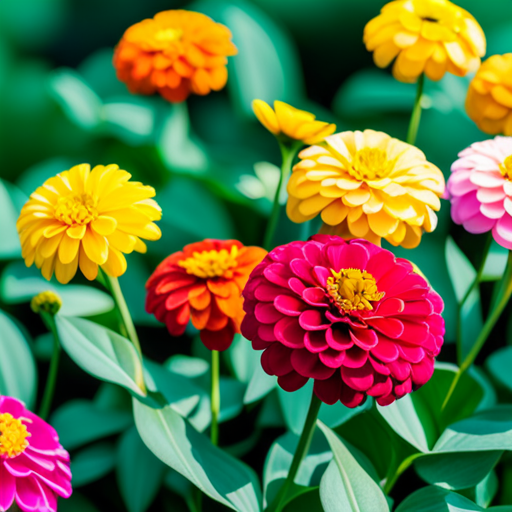
Zinnias are classic summer annuals that keep blooming until frost. These bright flowers love full sun and prefer rich, well-draining soil. Deadhead regularly to promote continuous flowering. Zinnias also make excellent cut flowers and attract pollinators throughout the season. For more in depth post on how to grow Zinnias just click here.
Gaillardia (Blanket Flower)
Gaillardia produces bold red, orange, and yellow blooms that last well into late summer. These drought-tolerant perennials enjoy full sun and poor to average soil. Avoid overwatering. Deadhead often to encourage repeat blooming. Gaillardia is perfect for hot, dry spots in the garden. For more in depth post on how to grow Gaillardia just click here.
Hibiscus (Hardy Hibiscus or Rose Mallow)
Hardy hibiscus dazzles with huge, tropical-looking flowers in late summer. It grows best in full sun and moist, fertile soil. Keep the soil evenly moist during blooming. These perennials die back to the ground in winter but return each year with vigorous growth and spectacular blooms. For more in depth post on how to grow Hibiscus just click here.
Butterfly Bush (Buddleia davidii)
Butterfly bush blooms continuously from mid-summer into fall with cone-shaped flower clusters in purple, pink, white, or blue. It requires full sun and well-drained soil. This fast-growing shrub attracts butterflies and hummingbirds. Prune back hard in early spring to keep the plant compact and floriferous. For more in depth post on how to grow Butterfly Bush just click here.
Coreopsis (Tickseed)
Coreopsis offers masses of cheerful yellow, pink, or red flowers in late summer. These low-maintenance perennials do best in full sun and well-draining soil. Once established, they are drought-tolerant and bloom heavily with minimal care. Deadhead to extend the blooming season. For more in depth post on how to grow Coreopsis just click here.
Caring for Late Summer Flowers
Late summer heat can be intense, but the right care keeps your garden blooming beautifully. Start by choosing plants suited for your climate zone and sun exposure. Most late summer flowers need full sun, so place them in areas with at least six hours of direct sunlight. Use well-draining soil to avoid root rot, especially during humid or rainy spells.
Watering is important but should be done strategically. Deep watering two or three times a week is more effective than light, frequent watering. Mulch around the base of your plants to retain moisture and reduce heat stress. During extremely dry weather, even drought-tolerant plants benefit from a good soak.
Deadheading spent blooms encourages many of these plants to keep producing flowers. Use clean, sharp pruners to remove faded flowers and stimulate new growth. Fertilize sparingly—too much fertilizer, especially high-nitrogen types, can promote leafy growth over flowers. Choose a balanced or low-nitrogen fertilizer for best results.
Extend Color into Fall
With careful planning, you can easily bridge the gap between early summer color and fall foliage. Mixing annuals and perennials that flower in late summer keeps the garden lively when others are winding down. Combine bright zinnias and tithonia with perennials like sedum and Joe Pye weed for a layered effect. Add ornamental grasses or shrubs like crape myrtle to introduce texture and height.
Don’t forget to cut some of these blooms for indoor arrangements. Zinnias, black-eyed Susans, and coneflowers make excellent cut flowers and last for days in a vase. With a mix of colors and shapes, your arrangements will bring late summer joy indoors as well.
Conclusion
Late summer doesn’t mean the end of your flower garden—it can actually be one of the most colorful times of year with the right plants. Choose a few that match your garden’s style and sun conditions, and you’ll enjoy a landscape that keeps blooming right into fall. Keep them watered, give them plenty of sun, and watch your garden come alive when others start to fade.
Please be sure to check out my Gardening Blog Post Page for more tips on all types of gardening. Including Seed Saving, Seed Starting, Orchids, Water Gardening, Coldframe Gardening, Indoor Bulb Gardening, Hydroponics, Container Gardening, Mums, Herbs, African Violets, planting Bulbs, Flower Gardening, Vegetable and Fruit Gardening, Indoor Houseplants of all kinds, Cactus, Succulents, Hanging plants, Deer resistant plants and even Bird, Bee, Butterfly and Hummingbird Gardens!
