
Gardening in the peak of summer can feel like a challenge, especially when the sun scorches the soil and wilts tender plants. However, there are plenty of heat tolerant vegetables that not only survive but actually thrive in July’s intense warmth. Whether you’re starting a new garden bed or filling gaps in your summer garden, you can grow a productive vegetable patch even in the hottest months. Here are 10 heat loving vegetables to plant in July and how to care for them for a bountiful late summer harvest.
Okra
Okra is a true champion of hot weather. Native to Africa, this tall, upright plant loves full sun and thrives in temperatures above 85°F. It grows fast and produces best when it gets plenty of warmth. You can direct sow okra seeds in the garden in July, and they will germinate quickly in the warm soil. Choose a spot with well-drained, fertile soil, and space the seeds 12 to 18 inches apart. Water consistently but don’t overdo it—okra tolerates some drought. Harvest the pods when they’re 3 to 5 inches long, and check daily since they grow fast in the heat.
Southern Peas (Cowpeas)
Southern peas, also known as cowpeas or black-eyed peas, are another summer staple that tolerates extreme heat. They require full sun and grow best in sandy or loamy soil that drains well. You can direct sow the seeds in July, and within a few days they will begin to sprout. Cowpeas fix nitrogen in the soil, making them a great companion crop. Water regularly to keep the plants growing strong, but allow the soil to dry out between watering. Harvest the pods when they are full but still tender, or let them mature fully and dry on the vine for storage.
Sweet Potatoes
If you didn’t get around to planting sweet potatoes earlier in the season, July is still a good time in many warm zones. These vining plants need warm soil and plenty of sunlight. You can plant sweet potato slips (young shoots) directly into well-drained soil. Make sure the bed is loose and not compacted to allow the tubers to grow properly. Water well during the first few weeks to help them establish. Once growing, sweet potatoes need little attention. Just keep the vines under control and water deeply once or twice a week. Harvest before the first frost in fall.
Hot Peppers
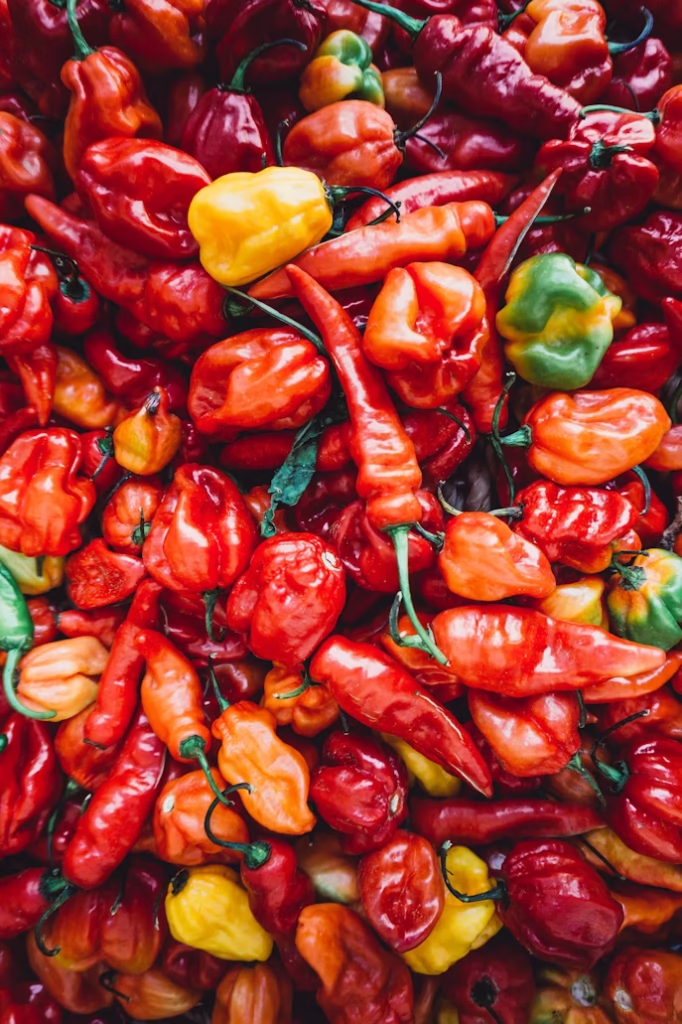
Hot peppers like jalapeños, cayennes, and habaneros flourish in July’s heat. These plants not only tolerate hot temperatures, but they also become spicier when grown in the heat. Transplant starts into the garden if you have them, or sow seeds indoors and transplant later for a late crop. Peppers prefer full sun and fertile, well-drained soil enriched with compost. Mulching helps retain moisture and keeps weeds down. Water consistently and feed with a balanced fertilizer every couple of weeks. Harvest peppers as they mature, and the plant will continue producing into early fall.
Eggplant
Eggplants are tropical plants that love hot, sunny conditions. If you have seedlings ready to go, July is a great time to plant them. Choose a spot with full sun and soil enriched with compost. Space plants about 18 to 24 inches apart to allow for good air circulation. Water regularly and deeply, as eggplants don’t like to dry out. They are heavy feeders, so apply a balanced fertilizer every two to three weeks. You can begin harvesting when the fruits are glossy and firm—don’t let them get too large or they become bitter.
Malabar Spinach
Unlike true spinach, which bolts in the summer heat, Malabar spinach thrives when temperatures soar. This vining leafy green grows vigorously in full sun and loves the hot, humid weather of July. You can start it from seed or buy young plants. Give it a trellis or support to climb and plant in rich, well-drained soil. Water regularly and mulch to keep the roots cool and moist. The thick, glossy leaves can be harvested continuously once the plant is established. Malabar spinach is perfect for salads, stir-fries, and soups.
Yardlong Beans
Also known as asparagus beans or Chinese long beans, yardlong beans are heat-loving climbers that produce long, tender pods in just a few weeks. Direct sow the seeds in July when the soil is warm, and provide a tall trellis or support for the vines to climb. They prefer full sun and well-drained, fertile soil. Keep the soil consistently moist but not soggy. Yardlong beans are productive and will keep producing if you harvest regularly. Pick the beans when they are about 18 inches long but still thin and tender.
Armenian Cucumbers
Despite the name, Armenian cucumbers are actually melons and are very heat tolerant. They grow fast in hot weather and produce crisp, sweet cucumbers even in extreme temperatures. Sow the seeds directly into the garden in July in a sunny, warm location. Like other cucurbits, Armenian cucumbers need rich, well-drained soil and regular watering. Trellis the vines to save space and keep the fruit off the ground. Harvest the cucumbers when they’re 12 to 18 inches long and slightly firm to the touch.
Amaranth Greens
Amaranth is another leafy green that thrives in hot summer weather. Often grown for its grain, the young leaves are edible and packed with nutrients. Sow seeds directly in the garden in July, spacing them about 10 inches apart. The plants will germinate quickly in the warm soil. They prefer full sun and moist, well-drained soil. Harvest the tender leaves regularly to encourage new growth. Amaranth greens can be used in salads, sautés, and soups, much like spinach or kale.
Roselle (Hibiscus sabdariffa)
Roselle is a heat-loving hibiscus that’s grown both for its tart, cranberry-like calyces and its edible leaves. This tropical plant thrives in full sun and high temperatures. You can sow the seeds directly in the garden in July if you’re in a warm zone. Roselle prefers rich, well-drained soil and plenty of space to grow—it can reach heights of 5 to 7 feet. Water regularly and mulch to conserve moisture. Harvest the leaves young for salads or teas, and later collect the calyces to make hibiscus tea or jam.
Tips for Growing Vegetables in the Heat
To grow vegetables successfully in the heat of July, it’s important to follow a few key practices. First, always water deeply and early in the morning. This helps plants absorb moisture before the sun evaporates it. Mulch around your plants to retain soil moisture, suppress weeds, and regulate soil temperature. Choose organic mulch like straw, shredded leaves, or grass clippings.
Next, avoid high-nitrogen fertilizers, which can encourage excessive leafy growth at the expense of fruit or root development. Instead, use a balanced organic fertilizer every couple of weeks. Provide some afternoon shade for young or struggling plants using shade cloth, row covers, or even old bedsheets during heatwaves.
Grow a Summer Garden That Thrives
Planting in July doesn’t mean your garden has to suffer. By selecting heat tolerant vegetables like okra, hot peppers, sweet potatoes, and Malabar spinach, you can enjoy fresh harvests well into late summer and early fall. These ten crops are tough, productive, and made for hot weather gardening. With the right soil preparation, consistent watering, and a little care, your midsummer planting will reward you with healthy, homegrown produce even during the hottest days of the year.
Whether you have a large vegetable bed or a few containers on a patio, heat-loving vegetables give you plenty of options to keep your garden growing strong all summer long.
Please be sure to check out my Gardening Blog Post Page for more tips on all types of gardening. Including Seed Saving, Seed Starting, Orchids, Water Gardening, Coldframe Gardening, Indoor Bulb Gardening, Hydroponics, Container Gardening, Mums, Herbs, African Violets, planting Bulbs, Flower Gardening, Vegetable and Fruit Gardening, Indoor Houseplants of all kinds, Cactus, Succulents, Hanging plants, Deer resistant plants and even Bird, Bee, Butterfly and Hummingbird Gardens!