
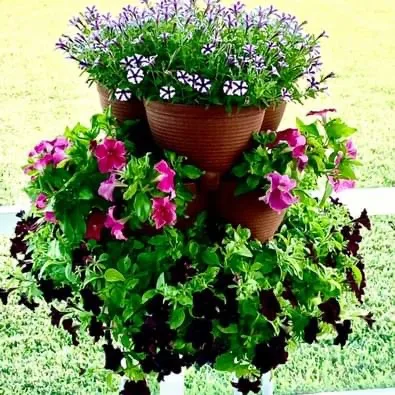
How to save petunia seeds? It’s a smart and rewarding way to enjoy the same vibrant blooms in your garden year after year. Petunias are known for their wide variety of colors, trailing habits, and long-lasting flowers. Making them a favorite for containers, hanging baskets, and flower beds. By saving seeds from your healthiest and most beautiful plants, you can keep your favorite varieties going. All without needing to buy new seeds each season. Not only does this save money, but it also lets you take more control over your garden. With just a bit of care, you can harvest, dry, and store petunia seeds easily for planting next spring.
When and Where to Harvest Petunia Seeds
To begin, it’s important to let some petunia flowers fully mature on the plant rather than deadheading them. After the bloom fades, a small seed pod begins to form at the base of the flower. These pods need time to ripen, so allow them to dry on the plant until they turn brown and begin to crack open. This usually happens a few weeks after the flower has died back. If you remove the pod too early, the seeds inside won’t be fully developed and may not sprout later.
Check your petunia plants regularly and choose dry, brown seed pods from healthy plants. Avoid collecting seeds from plants that were weak or affected by disease, as these traits could carry over to the next generation. It’s best to harvest in dry weather or wait until mid-morning after the dew has dried. If you pick the pods when they’re still moist, you run the risk of mold developing during the drying or storage process. Once you spot a cracked pod that looks dry and brown, gently pinch it off the plant and place it in a clean container or envelope.
How to Extract and Dry Seeds
After harvesting, you’ll want to carefully break open the seed pods to remove the tiny seeds inside. Petunia seeds are very small—about the size of a grain of dust—so it helps to work over a piece of white paper or a shallow tray to catch them. Gently crush the dry pods between your fingers and tap them so the seeds fall out. Once all the seeds are separated from the chaff and pod fragments, set them aside in a single layer to dry further.
Allow the seeds to air dry for several days in a cool, dry place out of direct sunlight. A countertop or shelf inside your home works well, especially if the humidity is low. Spread the seeds out on parchment paper, coffee filters, or a paper towel to help absorb moisture. Make sure they stay dry the entire time. Turning them gently every day can also help speed up the drying process. Fully dried seeds will store better and have a higher germination rate when you plant them next season.
Labeling and Storing Petunia Seeds
Once your petunia seeds are completely dry, it’s time to package them for long-term storage. The best way to do this is by using small seed envelopes. These are ideal because they allow for air exchange and reduce the risk of trapping moisture inside. Label each envelope clearly with the plant name, the date you collected the seeds, and any notes about the flower color or growth habit. If you saved seeds from multiple types of petunias, keeping them labeled will help you plan your garden more effectively next year.
Storing your Petunia Seeds
To protect your saved petunia seeds from moisture, light, and temperature swings, store the labeled envelopes inside an airtight container. You can use a metal tin, a glass jar with a tight-fitting lid, or a sturdy plastic container. All three options work well, but be sure that whatever container you choose is clean and completely dry before placing the envelopes inside.
To take your seed storage a step further, add a few silica gel packets to the container to help absorb any excess moisture. These are often found in new shoe boxes, vitamin bottles, or electronics packaging, and they can make a big difference in maintaining the low humidity your seeds need. If you don’t have silica packets, you can make your own with a bit of rice wrapped in a coffee filter or piece of cloth and tied shut with string or a rubber band. Place the moisture absorber inside the container along with the seed envelopes and seal the lid tightly.
Ideal Conditions for Storing Seeds
Petunia seeds will stay viable for several years if they are kept in a stable, cool, and dry environment. A dark cupboard, closet, or basement shelf is usually a good spot for storing your airtight seed container. Avoid placing it near heat sources or in direct sunlight. If you live in a hot or humid climate, you can also keep the container in the refrigerator. Just make sure the container is completely airtight to prevent condensation from forming inside.
Temperature consistency is key for preserving seed quality. Petunia seeds prefer to be stored between 32°F and 50°F for optimal shelf life. Fluctuations in temperature or exposure to humidity can cause seeds to age more quickly or develop mold. Keeping them cool and dry ensures that they’ll remain dormant until you’re ready to plant.
Why Save Petunia Seed
Saving petunia seeds lets you grow flowers from varieties you already love, and you’ll know exactly what to expect in terms of color, fragrance, and growth habit. It’s also an excellent way to become more self-sufficient in the garden. Once you get the hang of it, you’ll find it’s easy to collect enough seeds to share with friends or start a seed exchange. Over time, you might even start selecting for traits like larger blooms, unique colors, or longer blooming seasons.
This practice also encourages sustainability. By collecting and storing seeds rather than buying new packets each year, you cut down on packaging waste and reduce the carbon footprint associated with transporting commercial seeds. In addition, you’ll gain a deeper understanding of the plant’s full life cycle, from seed to flower and back again. Gardening becomes more rewarding when you’re involved in every stage.
Conclusion-A Beautiful Garden Next Yea
By following these simple practices, you can easily save petunia seeds to plant next year. Harvesting them at the right time, drying them thoroughly, and storing them in labeled envelopes within airtight containers ensures they stay viable and healthy. With a few minutes of effort at the end of the season, you’ll be prepared to plant a garden full of colorful petunias again in the spring. Whether you’re saving seeds from trailing petunias in hanging baskets or upright grandifloras in pots, the reward is always a garden that continues to bloom with your personal touch.
Saving seeds helps keep your favorite flowers blooming season after season, and it gives you the satisfaction of knowing your beautiful display started with just a handful of tiny seeds you saved yourself. So as the season winds down, take a little time to gather and store those seeds—it’s a small task that brings big rewards in the year to come.
Please be sure to check out my Gardening Blog Post Page for more tips on all types of gardening. Including Seed Saving, Seed Starting, Orchids, Water Gardening, Coldframe Gardening, Indoor Bulb Gardening, Hydroponics, Container Gardening, Mums, Herbs, African Violets, planting Bulbs, Flower Gardening, Vegetable and Fruit Gardening, Indoor Houseplants of all kinds, Cactus, Succulents, Hanging plants, Deer resistant plants and even Bird, Bee, Butterfly and Hummingbird Gardens!