
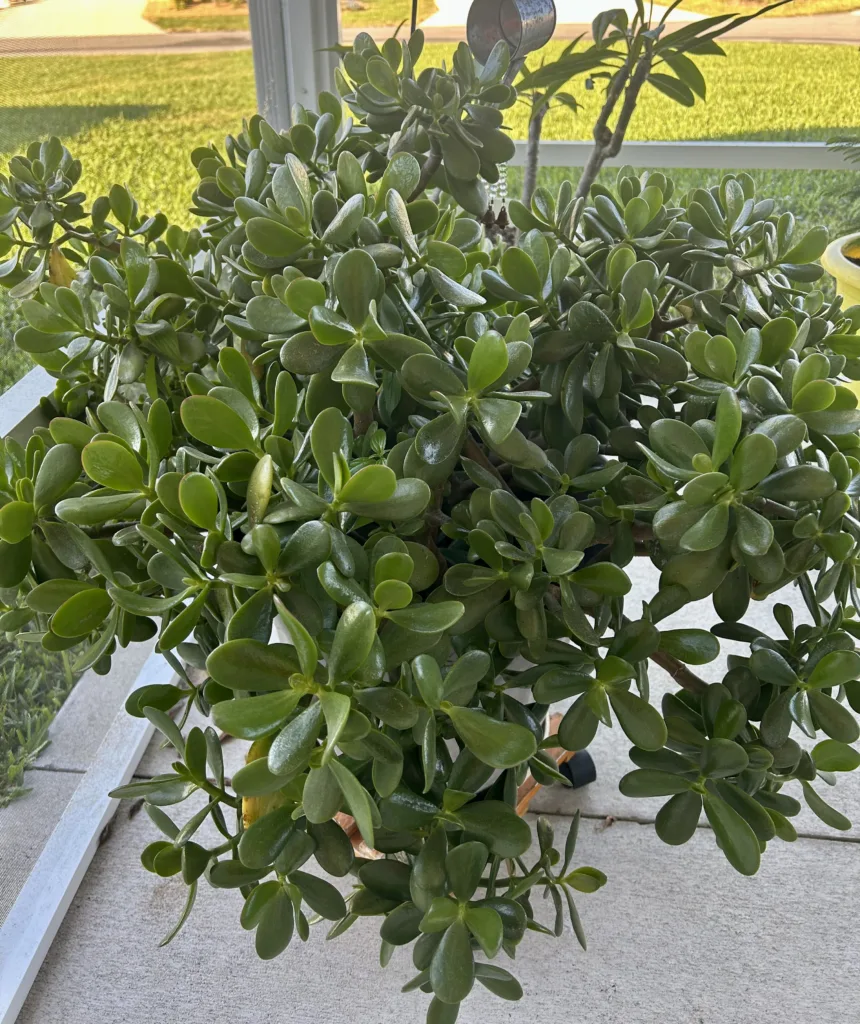
Jade plant (Crassula ovata) is one of the easiest succulents to grow and propagate. Its fleshy leaves and woody stems make it an attractive, low-maintenance houseplant. But what makes it even better is how simple it is to propagate. Whether you’re growing your collection or sharing with friends, learning how to propagate jade plant from cuttings can be both rewarding and fun. In this guide, you’ll learn how to take a cutting, use rooting hormone, choose the right pot and soil, provide proper light, use fertilizer, and know when and how to repot.
Taking a Cutting From a Jade Plant
The first step in jade plant propagation is choosing a healthy cutting. Select a mature stem that is at least 3-4 inches long and free from damage or signs of disease. Always use a clean, sharp knife or pair of scissors to make a clean cut just below a leaf node. This part of the stem is where new roots will most likely emerge. You can also propagate jade from individual leaves, but stem cuttings tend to root faster and grow into fuller plants more quickly.
After taking your cutting, remove any leaves from the bottom one-third of the stem. Let the cutting dry for a few days in a shaded area until the cut end forms a callus. This drying step is essential—it prevents rot once the cutting is placed into soil. If you try to plant a cutting without callusing, you risk losing the entire piece due to moisture buildup and rot.
Using Rooting Hormone to Speed Up Growth
Once your jade cutting has callused, you can dip the cut end into rooting hormone powder. While jade plants often root without any help, rooting hormone boosts your success rate, especially in cooler or less ideal conditions. The hormone encourages quicker root development and helps prevent fungus and rot during the early stages.
Lightly tap off any excess powder before placing the cutting in soil. You only need a thin coating on the cut end. If you’re propagating multiple cuttings, use separate tools to avoid cross-contamination between plants.
Choosing the Best Pot Type for Jade Cuttings
When choosing a pot for your jade cutting, go with a small container first—about 3 to 4 inches in diameter. Clay or terra cotta pots work best because they allow excess moisture to evaporate, preventing soggy roots. These pots also provide good airflow to the root zone, which helps succulent cuttings thrive. Make sure the pot has a drainage hole to allow extra water to escape.
Avoid plastic pots in the early stages because they tend to retain too much moisture. Once the cutting grows roots and develops into a stable plant, you can repot into a slightly larger container made of your choice of material.
Best Soil for Propagating Jade Plant
Jade plants prefer a gritty, well-draining soil mix. You can use a commercial cactus or succulent mix, or make your own by combining two parts potting soil, one part coarse sand, and one part perlite or pumice. This type of mix prevents root rot and allows roots to grow freely through the soil.
Avoid heavy or moisture-retentive soils like those made for tropical houseplants. These types of mixes hold too much water and can quickly cause your jade cutting to rot before it has a chance to root.
Once you’ve chosen the right soil, fill your pot about three-quarters full. Insert the cutting about one to two inches into the soil, making sure the stem stays upright and stable. Lightly press the soil around the base for support.
How Much Light Jade Cuttings Need
Light plays a key role in jade plant propagation. Place your cutting in a bright spot with indirect sunlight. Avoid harsh, direct sun until the plant has established roots. Too much sun early on can stress the cutting and delay rooting.
If natural light is limited in your space, consider using a grow light. A full-spectrum LED grow light that runs for 12 to 14 hours a day works well. Position the light 12 to 18 inches above the plant to avoid overheating the tender cutting.
Once roots form and new growth appears, you can gradually introduce the plant to direct morning or late afternoon sun. Mature jade plants love bright light and will grow stronger and more compact when they receive plenty of it.
Watering Your Jade Cutting the Right Way
Watering is one of the most important steps in jade propagation. After placing the cutting in soil, wait 5 to 7 days before watering. This delay allows the cutting to settle into the pot and further reduces the risk of rot.
When you do water, give it just enough to moisten the soil lightly. Allow the soil to dry out completely before watering again. Overwatering is one of the most common reasons jade cuttings fail, so always err on the side of less water.
Once your cutting starts to grow and establish roots, you can water it every 2 to 3 weeks, depending on your environment. During winter months, reduce watering even more, as jade plants go semi-dormant and require less moisture.
Fertilizing a Young Jade Plant
You don’t need to fertilize your jade cutting right away. Wait until it has rooted and started putting out new growth—usually after about 4 to 6 weeks. Once it’s established, feed it with a diluted, balanced houseplant fertilizer (like 10-10-10) every 4 to 6 weeks during the growing season, which runs from spring through early fall.
Always apply fertilizer to moist soil to avoid burning the roots. Avoid overfeeding—too much fertilizer can cause leggy growth or salt buildup in the soil. In winter, stop fertilizing altogether, as the plant’s growth slows down naturally.
When and How to Repot Your Jade Plant
Once your propagated jade cutting has grown roots and outgrows its starter pot, it’s time to repot. Signs it’s ready for a new pot include visible roots at the drainage hole, slow growth due to crowding, or the pot tipping from the plant’s weight.
Choose a new pot that’s only one or two inches larger in diameter than the current one. Repotting into a container that’s too large can hold excess moisture and cause root rot. Use the same well-draining soil mix as before, and be gentle when handling the roots during transplant.
Spring is the best time to repot jade plants, as this is when they’re actively growing. After repotting, water lightly and return the plant to its bright, indirect light location. Avoid direct sun for a few days to give it time to adjust.
Troubleshooting Common Issues
Even though jade propagation is easy, a few issues can arise. If your cutting shrivels, it’s likely not getting enough water after the initial dry period. Give it a small drink and watch for improvement. If the stem turns black or mushy, it’s likely rotting—remove it and start with a fresh, callused cutting.
Slow rooting may happen if light is too low or temperatures are too cool. Aim for a room temperature between 65°F and 75°F, and always provide plenty of indirect light or supplement with a grow light if needed.
Final Thoughts
Propagating a jade plant is an easy and rewarding project that any gardener can do. With the right cutting, a quick dip in rooting hormone, a breathable pot, gritty soil, and the proper balance of light and water, your jade cutting will grow into a beautiful new plant. As it matures, regular repotting and light fertilization will keep it healthy and vibrant. Whether you’re adding to your own indoor garden or sharing your love of succulents with others, jade plant propagation is a simple and satisfying way to grow.
Please be sure to check out my Gardening Blog Post Page for more tips on all types of gardening. Including Seed Saving, Seed Starting, Orchids, Water Gardening, Coldframe Gardening, Indoor Bulb Gardening, Hydroponics, Container Gardening, Mums, Herbs, African Violets, planting Bulbs, Flower Gardening, Vegetable and Fruit Gardening, Indoor Houseplants of all kinds, Cactus, Succulents, Hanging plants, Deer resistant plants and even Bird, Bee, Butterfly and Hummingbird Gardens!