

Old wheelbarrows offer the perfect blend of rustic charm and practicality when turned into garden planters. Whether you find one at a yard sale, inherit one from a grandparent, or pull one out of your own shed, don’t throw it away. Instead, give it a new purpose. These weathered, worn tools make creative containers for flowers, herbs, vines, and even unusual plants. With the right mix of plants and placement, a wheelbarrow planter becomes a standout piece in any garden.
How to Prepare an Old Wheelbarrow for Planting
Before planting, take a few minutes to prepare the wheelbarrow. First, check for rust or holes. A little rust adds charm, but patch any large holes with screen or hardware cloth. Or if you prefer paint and seal before you plant. Then drill a few drainage holes in the bottom if it doesn’t already have any. Good drainage keeps roots healthy and prevents soggy soil. Next, add a layer of gravel or small stones to the bottom. This helps with airflow and prevents soil from clogging the holes.
Now fill the wheelbarrow with quality potting mix. Choose a mix that suits your plants—cactus soil for succulents, rich compost for flowers, or a blend for vegetables and herbs. You’re now ready to get creative and start planting.
Bright and Colorful Flower Combos
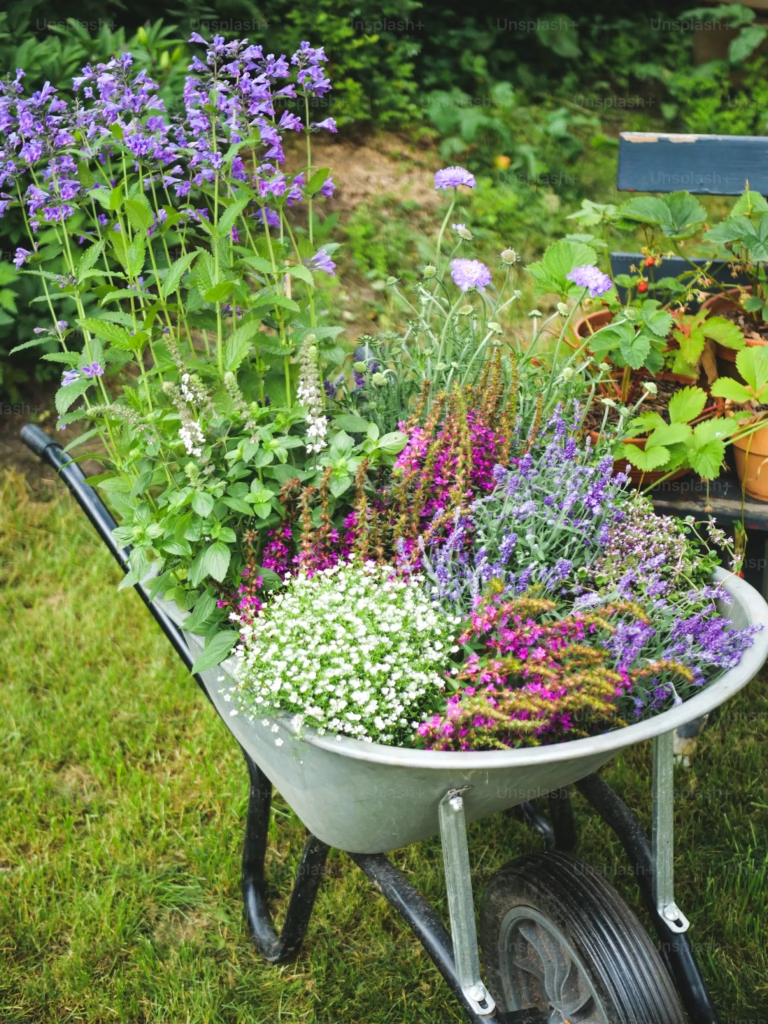
Old wheelbarrows make excellent flower containers. You can create a bright, colorful mix that blooms from spring through fall. Start with cool-season annuals in early spring such as pansies, violas, and primroses. Add daffodils or tulips for early bloom. In summer, switch to sun-loving flowers like petunias, marigolds, zinnias, salvia, and geraniums. Choose a mix of heights and colors to keep it lively. Plant taller flowers in the back and trailing ones near the front to spill over the sides.
Try a pastel theme with pink cosmos, lavender, and white alyssum. Or go bold with bright red geraniums, yellow marigolds, and purple calibrachoa. Keep flowers deadheaded and watered, and they’ll bloom for months.
Herbs for a Functional and Fragrant Wheelbarrow
If you want a mix of beauty and usefulness, fill your wheelbarrow with herbs. Most herbs grow well in containers and offer fragrant foliage, edible leaves, and even flowers. Plant a classic mix with rosemary, thyme, sage, oregano, and parsley. For a refreshing scent, add mint or lemon balm—but keep mint in a pot within the wheelbarrow so it doesn’t spread too much.
Basil adds a pop of green and grows quickly in warm weather. Chives produce edible blooms, while lavender fills the air with a relaxing scent. Arrange herbs so the taller ones like rosemary grow in the center or back, with trailing herbs like thyme around the edges. Keep your herb wheelbarrow close to the kitchen for easy access while cooking.
Vining Plants That Spill and Climb
Old wheelbarrows work especially well for vining plants. You can let vines spill over the sides or train them to climb trellises tucked inside. Sweet potato vine, nasturtium, and trailing petunias flow beautifully over the edges. Ivy geraniums and calibrachoa also work well for a trailing look.
If you want vertical interest, add a small trellis or stake into the back of the wheelbarrow. Then plant climbing nasturtiums, black-eyed Susan vine, or morning glories. These flowers grow fast and add color that climbs upward. The contrast of trailing plants spilling out and vines reaching up gives the planter great visual depth.
Succulent Wheelbarrow Gardens
For something different, create a succulent garden in your wheelbarrow. Succulents love shallow containers and don’t need much water, so they thrive in old wheelbarrows. Use cactus potting mix and make sure your wheelbarrow has good drainage. Choose a mix of shapes and colors—hens and chicks, sedum, echeveria, and crassula all work well.
You can even mix in decorative gravel or small stones for texture. Tuck in driftwood, shells, or old garden tools for extra charm. Place the wheelbarrow in a sunny spot, and it’ll become a low-maintenance, eye-catching display.
Fairy Garden in a Wheelbarrow
Add some magic to your garden by turning a wheelbarrow into a fairy garden. Fill it with miniature plants like baby’s tears, moss, creeping thyme, and dwarf ferns. Add tiny garden furniture, a small house, stepping stones, and figurines. Create paths with crushed stone or bark mulch.
Use twigs or bark to build tiny fences or arches. Children especially enjoy this whimsical idea, but fairy gardens charm visitors of all ages. Place your fairy wheelbarrow near a path or patio where it can be easily seen.
Edible Wheelbarrow Planters
You can also grow vegetables in your old wheelbarrow. Choose compact, shallow-rooted types such as lettuce, radishes, spinach, and baby carrots. Cherry tomatoes, bush beans, and dwarf peppers also grow well in containers.
Add a tomato cage or small support for climbing veggies like peas or pole beans. Mix in some edible flowers like nasturtiums or violas for color. This idea works well on patios or in small yards. As a bonus, you can move the wheelbarrow into sun or shade as needed.
Seasonal Displays That Change Year-Round
Another fun idea is to create seasonal displays in your wheelbarrow. In spring, plant daffodils, tulips, hyacinths, and pansies. In summer, switch to geraniums, marigolds, or begonias. For fall, use mums, ornamental cabbage, and small pumpkins. In winter, fill the wheelbarrow with evergreen boughs, pinecones, and red twigs. Add a string of solar lights for extra cheer.
Changing your planter with the seasons keeps your garden fresh and interesting. It also gives you a reason to refresh your plants and try new combinations throughout the year.
Mixing Flowers with Found Objects
To add even more charm, combine flowers with found objects. Place a rusty watering can, birdhouse, or old boots in the wheelbarrow alongside your plants. Use garden stakes with sayings or small statues to add personality. Old dishes or teacups can hold succulents or moss for an added touch of whimsy.
This approach works well for cottage gardens and gives the feeling of an old-time yard full of life and stories. Let your creativity guide you as you mix the natural with the nostalgic.
Tips to Keep Your Wheelbarrow Planter Thriving
To help your plants thrive, water them regularly, especially during hot days. Wheelbarrows can dry out quickly, so check the soil daily in summer. Feed your plants with a liquid fertilizer every two to three weeks, depending on the type. Also, trim dead or fading flowers to encourage more blooms.
If your wheelbarrow is metal, it may heat up in the sun. In very hot climates, move it to partial shade or water more often. Wooden wheelbarrows should be sealed or treated to last longer outdoors. If you want to extend the life of your wheelbarrow even more, line the inside with landscape fabric before adding soil.
Final Thoughts: Turn Junk into Garden Gold
Old wheelbarrows offer endless possibilities for creative gardening. Whether you fill them with herbs, flowers, vines, succulents, or vegetables, they bring charm and personality to any space. They also make gardening more fun by giving you a unique way to display your favorite plants. With a little effort, you can turn a rusty old tool into a show-stopping centerpiece in your yard or patio.
So the next time you see a wheelbarrow at a flea market, thrift shop, or even your neighbor’s curb, grab it. With some soil, a little imagination, and your favorite plants, you’ll create something both beautiful and useful. A wheelbarrow planter not only holds flowers—it holds a story.
Please be sure to check out my Gardening Blog Post Page for more tips on all types of gardening. Including Seed Saving, Seed Starting, Orchids, Water Gardening, Coldframe Gardening, Indoor Bulb Gardening, Hydroponics, Container Gardening, Mums, Herbs, African Violets, planting Bulbs, Flower Gardening, Vegetable and Fruit Gardening, Indoor Houseplants of all kinds, Cactus, Succulents, Hanging plants, Deer resistant plants and even Bird, Bee, Butterfly and Hummingbird Gardens!
