
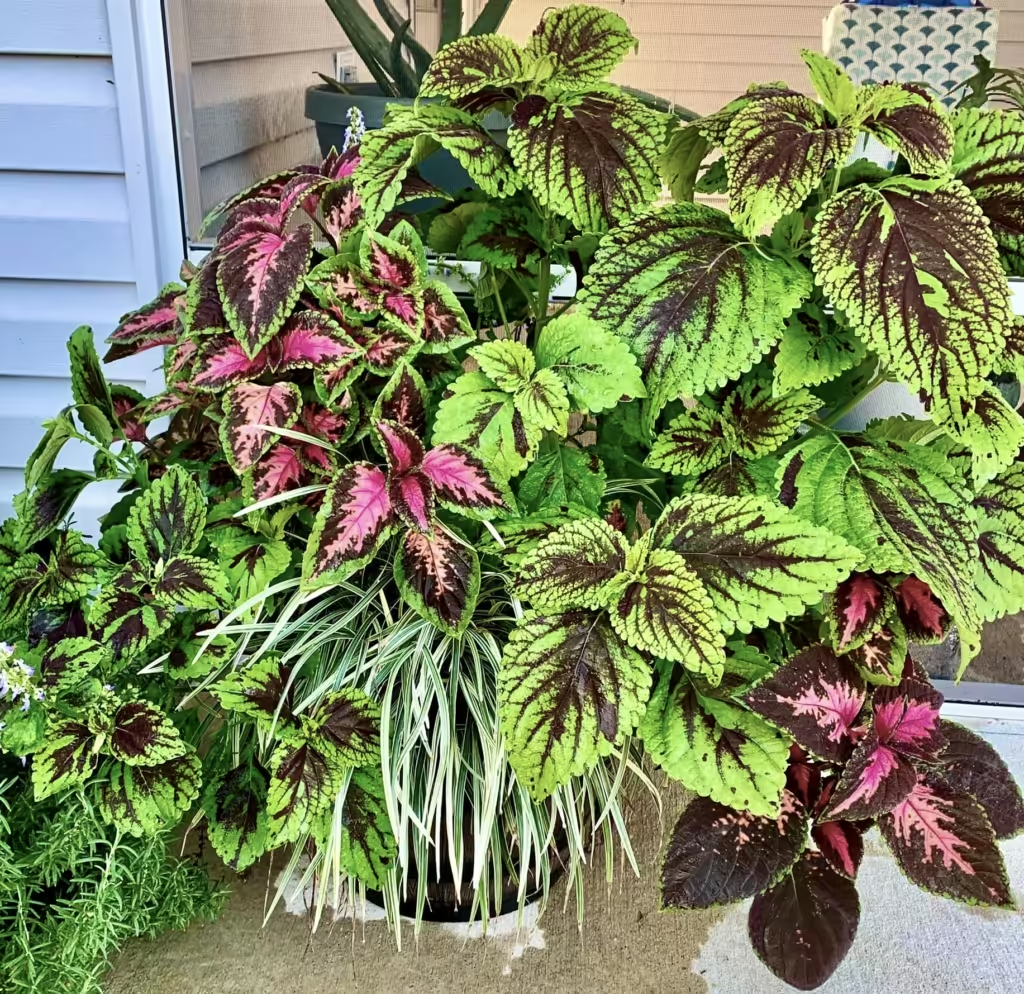
Coleus is one of the easiest and most colorful plants you can grow in containers. With its bold foliage in shades of lime, burgundy, red, pink, and purple, it brings instant interest to any space. Whether you’re creating a front porch display, brightening a shady corner, or mixing it into a patio container garden, coleus makes a strong impact. To make the most of it, you need to know how to choose the right pot, mix in companion plants, and meet its basic care needs. Here’s a complete guide to help you design and grow the perfect coleus pot arrangement.
Choose the Right Pot for Coleus
Start by picking a container that suits your space and matches your style. Coleus grows well in almost any pot, as long as it has drainage holes. Avoid pots without drainage, because coleus roots dislike sitting in soggy soil.
Clay or terracotta pots are great for a rustic look and help the soil dry out faster, which is useful in humid climates. Plastic and resin pots are lighter and hold moisture longer, making them good choices for dry areas. If you want to create a striking focal point, use large ceramic or metal planters with vibrant glazes or textures that complement the colors of your coleus.
When choosing the size, go for a pot that’s at least 12 inches wide and deep. This gives the coleus plenty of room to grow and allows you to combine it with other plants for a full, lush look.
Best Soil for Coleus in Pots
Coleus thrives in rich, well-draining soil. Use a high-quality potting mix that includes peat moss, perlite, and compost. These ingredients hold moisture without becoming soggy and give roots plenty of air. Avoid using garden soil in pots—it often becomes compacted and holds too much water.
Before planting, mix a slow-release fertilizer into the soil. This gives the plants a steady supply of nutrients and helps them grow strong and colorful all season long.
Light Requirements for Coleus
Coleus used to be known as a shade-only plant, but many modern varieties thrive in full sun, too. Even so, the best leaf color usually shows up in bright, indirect light or morning sun with afternoon shade.
For containers in full sun, choose sun-tolerant coleus types. Look for labels that say “sun coleus” or varieties like ‘Wasabi’, ‘Campfire’, or ‘Redhead’. In shady spots, almost any coleus will do well.
Pay attention to the color of the leaves. If they start to fade or get scorched, move the pot to a spot with less direct sun. On the other hand, if the colors look dull in the shade, try giving the pot a bit more light each day.
Water Needs for Healthy Coleus
Coleus loves consistent moisture, especially during hot weather. Check the soil often, and water when the top inch feels dry. Never let the pot dry out completely. In summer, you may need to water once a day, especially in full sun or when the pot is small.
When watering, soak the soil until water runs out the bottom. This encourages deep roots and keeps the plant from wilting. Use pots with saucers to catch excess water, but empty them often so the roots don’t sit in water.
During rainy spells or cooler weather, reduce watering. Too much water in cool conditions can lead to root rot.
Fertilizing Coleus for Best Growth
Feed coleus in containers regularly to support its fast growth and bright color. Use a balanced liquid fertilizer every two weeks, or choose a slow-release fertilizer that lasts for a couple of months.
For the best results, feed in the early morning or late evening when the sun is not intense. Avoid fertilizing dry soil—always water first, then feed. Too much fertilizer can cause leaf burn or make the plant grow leggy, so follow label directions carefully.
If your coleus starts to look pale or weak, it may need a little extra nutrition. A mild boost with a diluted liquid fertilizer will perk it up quickly.
Best Plants to Pair with Coleus
One of the most exciting parts of planting coleus in pots is choosing what to pair with it. Its dramatic foliage works well with many plants. You can create a pot full of texture, contrast, and color by mixing the right companions.
For a bold, tropical look, try pairing coleus with:
- Caladium – Offers heart-shaped leaves in bright colors that echo coleus tones
- Elephant ears – Their large leaves create a dramatic contrast with coleus
- Ferns – Add soft texture and thrive in the same light conditions
For sun-loving arrangements, combine coleus with:
- Sweet potato vine – Its trailing leaves fill out the pot and add contrast
- Petunias – Bright blooms pop next to colorful coleus foliage
- Lantana – Adds flowers and attracts pollinators
For shade containers, good partners include:
- Impatiens – Their soft flowers play well with the bold foliage of coleus
- Begonias – Add flowers and interesting leaf shapes
- Torenia (Wishbone flower) – Offers delicate blooms in cool shades
Don’t forget about foliage-only combos. Mixing different coleus varieties in one pot can look amazing. Choose ones with contrasting leaf shapes and colors for a striking mix.
How to Arrange Coleus in Pots
To make your pot look full and balanced, follow the classic “thriller, filler, spiller” method. Use a tall coleus as the “thriller” in the center or back. Add medium-height companions as “fillers” around it. Then, use trailing plants like sweet potato vine as the “spiller” to cascade over the edges.
Plant densely for a lush look, but leave enough space for growth. Water well after planting and place the pot in its final location right away so the plants can adjust.
If you’re using a large pot, mix three or more coleus varieties with matching or complementary colors. Use one color as the main focus, then add contrasting tones for depth and interest.
Caring for Coleus Through the Seasons
Coleus grows quickly and lasts all summer if you care for it well. Pinch back the tips regularly to keep it bushy and prevent flowering. Once it blooms, the plant may slow down or start to fade. So remove flower spikes as soon as they appear.
Watch for pests like aphids and spider mites. If you see them, wash them off with water or use insecticidal soap. Keep the leaves dry when watering to avoid fungal diseases.
As fall arrives and the temperatures drop, coleus will start to decline. It doesn’t tolerate frost. You can bring your favorite varieties indoors before the first cold night. Place them near a bright window and keep watering lightly through winter. Alternatively, take cuttings in late summer and root them in water to start fresh plants for next spring.
Final Thoughts
Coleus offers endless possibilities for container gardening. With its dazzling foliage, it steals the spotlight in any pot. Choose the right soil, give it bright light, water it often, and feed it regularly. Then, mix it with other shade or sun-loving plants to create stunning arrangements that last all season. Whether you love bold tropical styles or soft cottage charm, coleus fits right in. Try new combinations each year and enjoy the vibrant beauty this easy plant brings to your patio, porch, or balcony.
Please be sure to check out my Gardening Blog Post Page for more tips on all types of gardening. Including Seed Saving, Seed Starting, Orchids, Water Gardening, Coldframe Gardening, Indoor Bulb Gardening, Hydroponics, Container Gardening, Mums, Herbs, African Violets, planting Bulbs, Flower Gardening, Vegetable and Fruit Gardening, Indoor Houseplants of all kinds, Cactus, Succulents, Hanging plants, Deer resistant plants and even Bird, Bee, Butterfly and Hummingbird Gardens!
