
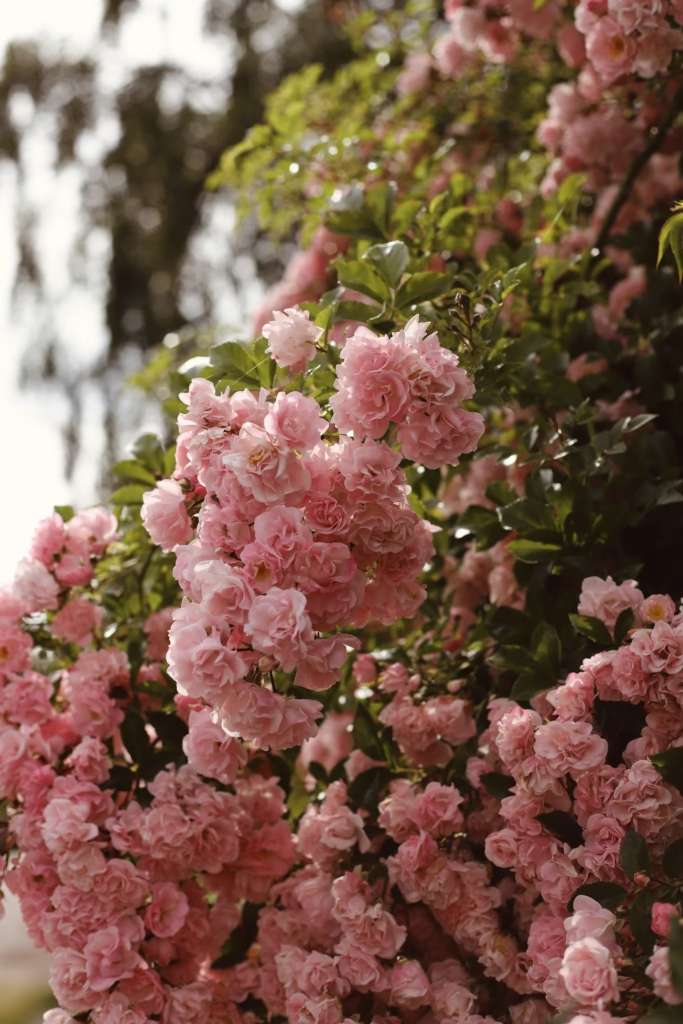
Roses are one of the most loved flowers in gardens around the world. Their beauty, fragrance, and wide range of colors make them a favorite for gardeners of all skill levels. If you are thinking about growing roses or already have them in your garden, you might wonder, how long do roses bloom for? In this post, you will learn about their blooming period, how to prune them properly, and the best ways to overwinter your rose bushes for healthy blooms year after year.
How Long Do Roses Bloom For?
The blooming period for roses depends on the type of rose you plant, where you live, and how well you care for them. However, most roses bloom from late spring through the first frost in fall. In many gardens, roses start to show their first flowers in May and continue blooming until October or November.
Many modern rose varieties, especially hybrid teas, floribundas, and shrub roses, are repeat bloomers. They will produce waves of flowers throughout the growing season. Some heirloom or old-fashioned roses, like Damask or Gallica roses, only bloom once a year, usually in late spring or early summer. Their short blooming window often lasts for about six weeks.
In warmer climates, roses might even bloom lightly during winter months. On the other hand, in cooler areas, the blooming season shortens because of early frosts.
When you take care of your roses by deadheading (removing spent flowers) and feeding them with the right fertilizer, you can encourage them to bloom repeatedly and more abundantly.
Factors That Affect Rose Bloom Time
Several factors play a role in how long roses will bloom. First, the variety you choose makes a big difference. Modern roses have been bred to bloom for longer periods. Second, sunlight matters. Roses love full sun and need at least six hours of direct light each day to perform their best.
Third, your soil health impacts blooming. Rich, well-drained soil helps roses develop strong roots and healthy blooms. Fourth, proper watering is key. Roses like deep watering about once or twice a week, depending on your weather. Finally, regular feeding with a balanced rose fertilizer boosts flower production.
By meeting these basic needs, you help your roses bloom longer and stay healthier throughout the season.
How to Prune Roses for More Blooms
Pruning your roses the right way is very important if you want lots of flowers. Pruning clears away dead wood, shapes the plant, and encourages new growth, which leads to more blooms.
When to Prune
The best time to prune roses is in late winter or very early spring, just as the plants start to wake up from dormancy. In most areas, this means late February through early April. Look for swelling buds along the stems, which is a good sign that it’s time to prune.
You should also do some light pruning during the growing season. After a flush of blooms fades, deadhead the spent flowers and trim the stem back to the first set of strong leaves. This small task encourages new blooms to form faster.
How to Prune
To prune roses correctly, start by using sharp, clean pruning shears. First, cut out any dead, damaged, or diseased wood all the way down to healthy tissue. Next, remove any stems that cross or rub against each other to open up the center of the plant. This step helps with air circulation and prevents disease.
When cutting a healthy stem, always prune above an outward-facing bud. Make your cut at a 45-degree angle, about a quarter-inch above the bud. This technique directs new growth outward, not into the center of the plant.
For hybrid teas and other larger rose types, prune the canes down to about 12 to 24 inches tall, depending on how big you want the bush to grow. Shrub roses need less severe pruning, usually just removing the oldest stems and shaping the bush.
Always remember that thoughtful pruning leads to stronger plants, more flowers, and healthier growth.
How to Overwinter Roses
When the cold months arrive, it’s time to help your roses survive the winter. Some roses handle cold better than others, but all roses appreciate a little extra protection.
Preparing Roses for Winter
First, stop fertilizing your roses about six to eight weeks before your first expected frost. This step prevents new, tender growth that would not survive the cold. Continue to water your roses until the ground freezes, because roses need moisture even during dormancy.
Next, after a hard frost has caused the leaves to drop, clean up around the base of your roses. Remove any fallen leaves and debris to prevent diseases from overwintering.
Then, mound up soil, mulch, or compost around the base of the plant. Create a mound about 12 inches high. This insulation protects the crown of the rose from freezing temperatures.
If you live in an area with very cold winters, you might also want to cover your rose bushes with burlap or use rose cones made from breathable materials. Be sure to remove these covers slowly in spring, once the danger of hard frost has passed.
Winter Care for Potted Roses
If you grow roses in pots, you must take a few extra steps. Move your potted roses into an unheated garage, shed, or basement. Choose a spot where temperatures stay above freezing but still cold enough to keep the plant dormant. Water the pots just enough to keep the soil from drying out completely.
When spring arrives, bring your pots outside gradually. Let them adjust to outdoor temperatures over a week or two before placing them back in full sun.
How to Encourage Longer Blooming
Besides pruning and basic care, you can do a few more things to make sure your roses bloom longer throughout the season.
First, deadhead roses regularly. Always remove spent flowers promptly so that the plant redirects its energy toward new blooms instead of making seeds. Second, feed your roses a steady diet of balanced fertilizer, such as a 10-10-10 blend, every four to six weeks during the growing season.
Third, mulch around your roses to keep the soil moist and the roots cool. Mulching also helps prevent weeds that compete for nutrients. Fourth, watch for pests like aphids and diseases like black spot. Treat problems quickly with organic sprays or neem oil to keep plants strong.
Finally, choose rose varieties that are known for long blooming seasons. Some great options include Knock Out roses, Drift roses, and many modern shrub roses bred for extended flowering.
Conclusion
Now that you know how long roses bloom for, plus how to prune and overwinter them, you can enjoy gorgeous blooms from late spring until fall. Healthy roses reward you with color, fragrance, and beauty almost all season long. By giving them the right care, pruning properly, and preparing them for winter, you set your garden up for success year after year.
Please be sure to check out my Gardening Blog Post Page for more tips on all types of gardening. Including Seed Saving, Seed Starting, Orchids, Water Gardening, Coldframe Gardening, Indoor Bulb Gardening, Hydroponics, Container Gardening, Mums, Herbs, African Violets, planting Bulbs, Flower Gardening, Vegetable and Fruit Gardening, Indoor Houseplants of all kinds, Cactus, Succulents, Hanging plants, Deer resistant plants and even Bird, Bee, Butterfly and Hummingbird Gardens!