
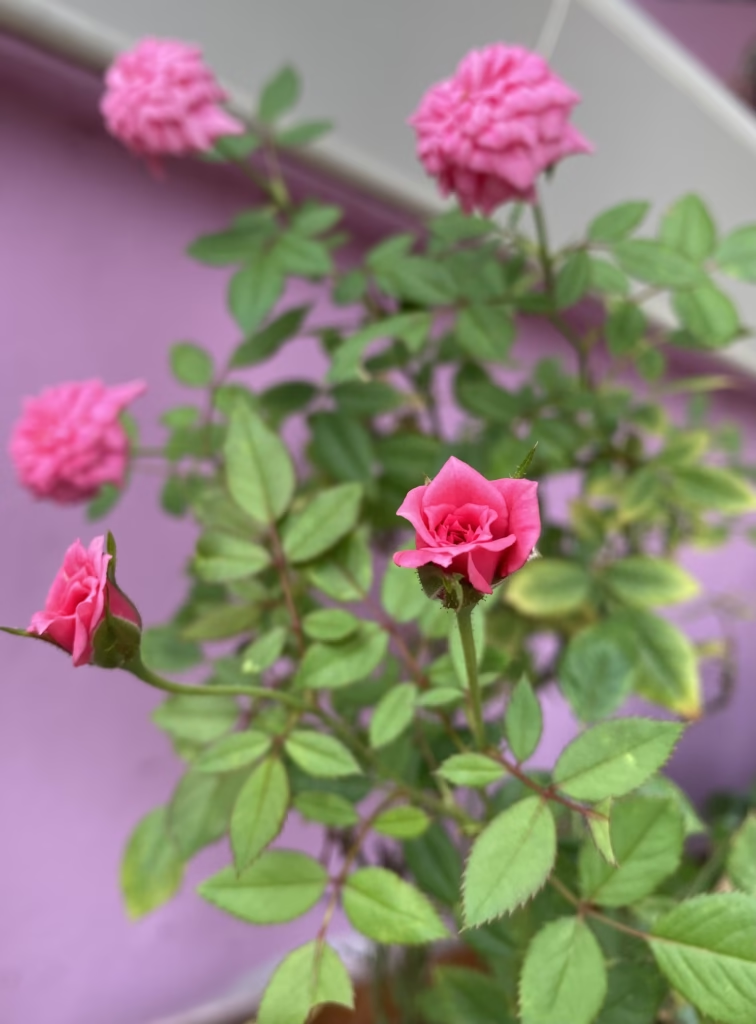
Miniature roses bring charm and color to gardens, patios, and even sunny windowsills. These tiny versions of standard roses bloom beautifully in small spaces and make excellent gifts. Whether you’re growing them indoors or outside, they need the right care to thrive. Let’s explore how to plant, grow, and maintain miniature roses with simple steps and helpful tips.
Can I Plant Miniature Roses Outside?
Yes, you can plant miniature roses outside, and they often thrive in outdoor garden beds or containers on patios and balconies. Even though they are small, miniature roses are real roses and are hardy in many climates. See tips below for growing both inside and outside in your flower beds.
How to Plant Miniature Roses
Start with healthy miniature rose plants from a nursery or garden center. Choose ones with strong green leaves and multiple buds. If you’re planting outside, wait until all danger of frost has passed. Indoors, you can plant them at any time of year, as long as you give them enough light.
Pick a pot with drainage holes if planting indoors or in containers. Use one that’s at least 6 to 8 inches wide. For garden planting, choose a sunny, well-drained area. Dig a hole twice as wide and deep as the plant’s root ball. Gently loosen the roots and place the plant in the hole. Fill in with soil and water well.
For indoor pots, place a layer of small rocks or broken pottery at the bottom before adding soil. This helps with drainage and keeps roots healthy.
Soil Preparation for Healthy Growth
Miniature roses prefer rich, loose soil that drains well. Mix garden soil with compost or aged manure to give outdoor plants a nutrient boost. For potted plants, use high-quality potting mix designed for roses or flowering plants. Avoid heavy soil that holds too much water.
Adding perlite or sand improves drainage and air flow to the roots. If your garden soil is clay-heavy, dig in some peat moss and compost before planting. This improves texture and allows roots to grow freely.
Light Requirements for Indoor and Outdoor Roses
Miniature roses love sunlight. Outdoors, plant them in a spot that gets at least six hours of direct sunlight each day. Morning sun works best, especially if the afternoon sun gets too hot in your area.
Indoors, place your miniature rose near a south- or west-facing window. These windows give the most sunlight throughout the day. If natural light is limited, consider using a grow light to keep your plant blooming and healthy.
Rotate the pot every few days to help the plant grow evenly and avoid leaning toward the light.
Water Needs and How to Water Properly
Miniature roses need regular watering, but the soil should never stay soggy. Check the soil often by sticking your finger about an inch deep. If it feels dry, it’s time to water.
Outdoors, water deeply once or twice a week, depending on rainfall and heat. During hot or dry weather, check daily. Water early in the morning so the leaves dry out during the day, which helps prevent diseases.
Indoors, use a saucer under the pot and empty it if water collects. Never let your miniature rose sit in water. If the air in your home is dry, consider placing a tray of water nearby or using a small humidifier.
Fertilizer for Strong Growth and Blooms
Feed your miniature roses to keep them blooming all season. Use a balanced, water-soluble fertilizer like 10-10-10 every two to four weeks from spring through summer. For outdoor plants, you can also apply slow-release granules at the beginning of the growing season.
Indoor plants benefit from liquid fertilizer every two to three weeks. Always follow the instructions on the fertilizer label. Avoid feeding during winter dormancy when your rose stops growing and blooming.
Adding compost or organic rose food can also help improve soil quality and plant health.
Pruning Miniature Roses for Better Blooms
Pruning keeps your miniature rose healthy, compact, and full of blooms. Start by removing dead or yellowing leaves. Cut away any weak or crowded stems. Always use clean, sharp scissors or pruners.
In early spring, trim the plant back by about one-third to shape it and encourage new growth. Cut just above a leaf node (where the leaf joins the stem). This helps direct energy to the remaining buds.
Throughout the growing season, deadhead faded blooms. This tells the plant to produce more flowers instead of seeds. Remove the flower and a small section of the stem beneath it.
For indoor roses, light pruning every few weeks helps keep the shape and prevents legginess.
Propagation: How to Multiply Your Miniature Roses
You can grow new miniature roses from stem cuttings. Take a 4- to 6-inch cutting from a healthy stem in spring or early summer. Remove the lower leaves, leaving two or three at the top. Dip the cut end in rooting hormone.
Plant the cutting in a pot with moist, well-drained potting mix. Cover it with a plastic bag or clear container to create a mini greenhouse. Keep it in a warm, bright spot, but out of direct sunlight.
In about four to six weeks, the cutting will grow roots. You’ll know it’s ready when new leaves begin to appear. At that point, remove the cover and begin caring for it as you would a full-grown plant.
Common Pests and How to Treat Them
Miniature roses can attract pests like aphids, spider mites, and whiteflies. These insects feed on sap and damage leaves and flowers.
To treat mild infestations, rinse the plant with a strong spray of water to knock off pests. Do this early in the day so the leaves dry before night. For more serious cases, use insecticidal soap or neem oil. Spray every 7 to 10 days until the problem is gone.
Spider mites thrive in dry air, especially indoors. Increase humidity by misting your plant or placing a humidity tray nearby.
If you notice black spots, powdery mildew, or yellowing leaves, your rose might have a fungal issue. Improve air circulation and avoid overhead watering. Remove and destroy infected leaves and apply a fungicide if needed.
Keep your tools clean and avoid touching plants after handling infected ones. Healthy roses resist pests and diseases much better.
Seasonal Care and Overwintering Tips
Miniature roses need a bit of seasonal care to stay healthy year-round. In colder areas, bring potted plants indoors before the first frost. Place them in a bright spot and reduce watering slightly during the winter months. Stop fertilizing until spring.
Outdoor miniature roses can survive winter if you mulch them well. Pile up straw, shredded leaves, or bark mulch around the base of the plant. In areas with harsh winters, consider covering the plant with a rose cone or burlap wrap.
In spring, remove winter mulch and prune back any dead branches. Begin feeding again once new growth appears.
Final Thoughts on Miniature Rose Care
Caring for miniature roses can be simple and rewarding when you follow these easy steps. Give them the right soil, light, water, and fertilizer, and they will reward you with beautiful blooms all season. Don’t forget to prune regularly, treat pests early, and give them some winter care if needed.
Whether you grow them indoors on a sunny windowsill or outdoors in a garden or patio pot, miniature roses bring lasting beauty to your space. With attention and care, your miniature roses will thrive year after year.
Please be sure to check out my Gardening Blog Post Page for more tips on all types of gardening. Including Seed Saving, Seed Starting, Orchids, Water Gardening, Coldframe Gardening, Indoor Bulb Gardening, Hydroponics, Container Gardening, Mums, Herbs, African Violets, planting Bulbs, Flower Gardening, Vegetable and Fruit Gardening, Indoor Houseplants of all kinds, Cactus, Succulents, Hanging plants, Deer resistant plants and even Bird, Bee, Butterfly and Hummingbird Gardens!