
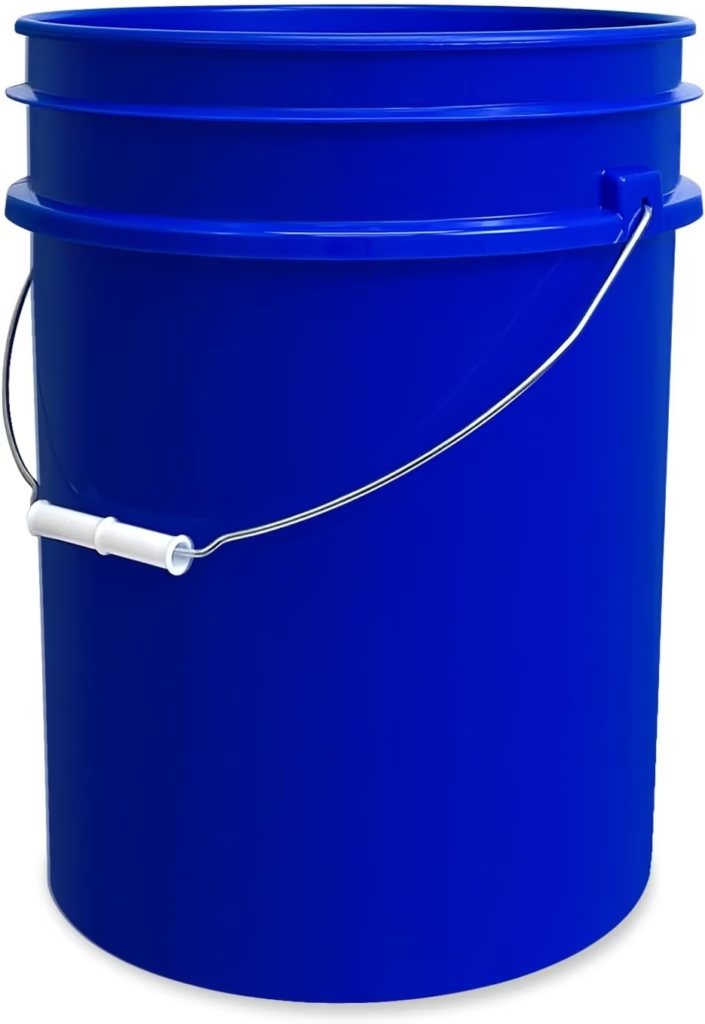
Growing vegetables in 5-gallon buckets is a great way to garden in small spaces. These containers offer plenty of room for roots and make it easy to control soil, water, and nutrients. Whether you have a patio, balcony, or backyard, bucket gardening allows you to grow fresh produce without a traditional garden bed. Here’s how to prepare your buckets, choose the best vegetables, and care for your plants from planting to harvest.
Preparing 5-Gallon Buckets for Gardening
Before planting, make sure your buckets are ready. Start by choosing food-grade buckets to avoid harmful chemicals. If repurposing buckets, clean them thoroughly with soap and water.
Next, drill drainage holes in the bottom. Use a ¼-inch drill bit to create at least five to six holes to prevent water from pooling. For better drainage, drill a few holes along the lower sides as well. To keep soil from washing out, place a layer of mesh or small gravel over the holes.
Best Soil Mix for Bucket Gardening
Vegetables need nutrient-rich, well-draining soil to thrive. Avoid using garden soil because it compacts in containers. Instead, mix potting soil with compost for a balanced blend. A good mix includes:
- 60% high-quality potting soil
- 30% compost or well-rotted manure
- 10% perlite or vermiculite for drainage
This mix provides the right texture and nutrients for healthy root growth. Before planting, moisten the soil to ensure even water distribution.
Best Vegetables to Grow in 5-Gallon Buckets
Several vegetables grow well in buckets. Here are some top choices:
Tomatoes
Tomatoes thrive in containers and need support as they grow. Choose determinate varieties like Roma or Bush Early Girl. Plant one tomato seedling per bucket and place a stake or cage for support. For more in depth post on how to grow tomatoes in a 5 gallon bucket-just click here.
Peppers
Bell peppers, jalapeños, and other pepper varieties do well in buckets. Each plant needs one bucket to allow proper root space. Keep them in full sun for best results. For more in depth post on how to grow peppers in a 5 gallon bucket-just click here.
Cucumbers
Bush cucumber varieties work best in containers. Provide a trellis or stake to support their growth. Regular watering is crucial to prevent bitter fruit. For more in depth post on how to grow cucumbers in a 5 gallon bucket-just click here.
Carrots
Shorter carrot varieties like Nantes or Chantenay grow well in buckets. Fill the bucket with loose, sandy soil to help roots develop properly. Thin seedlings as they grow to prevent overcrowding. For more in depth post on how to grow carrots in a 5 gallon bucket-just click here.
Lettuce and Greens
Leafy greens like lettuce, spinach, and kale grow quickly and can be harvested multiple times. Plant several in one bucket but avoid overcrowding. Keep soil evenly moist to prevent bolting. For more in depth post on how to grow leafy greens in a 5 gallon bucket-just click here.
Radishes
Radishes mature quickly and require little space. Sow seeds directly into the soil, keeping them about an inch apart. Harvest within a month for tender roots. For more in depth post on how to grow radishes in a 5 gallon bucket-just click here.
Beans
Bush beans work best in buckets. Plant five to six seeds per bucket, and as they grow, provide a small stake for support. Beans fix nitrogen in the soil, making them a great companion plant. For more in depth post on how to grow beans in a 5 gallon bucket-just click here.
Zucchini
Compact zucchini varieties like black beauty grow well in containers. Choose one plant per bucket and provide good airflow to prevent powdery mildew. For more in depth post on how to grow zucchini in a 5 gallon bucket-just click here.
Eggplant
Eggplants, especially compact varieties like Patio Baby, do well in buckets. They need full sun and regular feeding for best results. For more in depth post on how to grow eggplant in a 5 gallon bucket-just click here.
Beets
Beets grow well in buckets, producing both edible roots and greens. Plant seeds an inch apart and thin them as they grow. For more in depth post on how to grow beets in a 5 gallon bucket-just click here.
Garlic
Garlic is easy to grow in buckets. Plant cloves in the fall for a summer harvest. Keep soil evenly moist but not soggy. For more in depth post on how to grow garlic in a 5 gallon bucket-just click here.
Potatoes
Potatoes thrive in deep containers. Start with a few seed potatoes and add more soil as they grow to encourage more tubers. For more in depth post on how to grow potatoes in a 5 gallon bucket-just click here.
Swiss Chard
Swiss chard grows well in buckets and produces for a long time. Harvest outer leaves regularly to encourage new growth. For more in depth post on how to grow swiss chard in a 5 gallon bucket-just click here.
Turnips
Turnips grow quickly and provide both tasty roots and greens. Sow seeds directly in the soil and thin seedlings for proper spacing. For more in depth post on how to grow turnips in a 5 gallon bucket-just click here.
Collard Greens
Collard greens are hardy and thrive in buckets. Regular harvesting encourages continued growth. For more in depth post on how to grow collard greens in a 5 gallon bucket-just click here.
Peas
Sugar snap and shelling peas grow well in containers. Use a small trellis or stake for support. For more in depth post on how to grow peas in a 5 gallon bucket-just click here.
Okra
Dwarf okra varieties perform well in buckets. They require full sun and warm temperatures. For more in depth post on how to grow okra in a 5 gallon bucket-just click here.
Celery
Celery needs consistently moist soil and benefits from deep buckets. Harvest stalks as needed. For more in depth post on how to grow celery in a 5 gallon bucket-just click here.
Broccoli and Cauliflower
Compact broccoli varieties like DeCicco fit well in buckets. They need regular feeding for best yields. Snowball Cauliflower grows well in buckets, just like Broccoli requires regular feeding for best yields. For more in depth post on how to grow broccoli and cauliflower in a 5 gallon bucket-just click here.
Planting and Caring for Vegetables
Once your buckets and soil are ready, it’s time to plant. Follow seed packet instructions for depth and spacing. If using seedlings, plant them at the same depth as their nursery containers. After planting, water thoroughly to help roots establish.
Watering
Containers dry out faster than garden beds, so consistent watering is essential. Check soil moisture daily by inserting a finger about an inch deep. If it feels dry, water until excess drains out. Most vegetables need watering every day in hot weather.
Fertilizing
Vegetables in containers need regular feeding. Use a balanced liquid fertilizer (10-10-10) every two weeks. For heavy feeders like tomatoes and peppers, supplement with a calcium-rich fertilizer to prevent blossom-end rot. Organic options like fish emulsion or compost tea also work well.
Mulching
Adding a layer of mulch helps retain moisture and regulate soil temperature. Use straw, shredded leaves, or grass clippings to keep roots cool and reduce watering needs.
Harvesting Your Vegetables
Harvesting at the right time ensures the best flavor and texture. Pick tomatoes when they turn fully red and peppers when they reach their desired color. Harvest lettuce and greens by snipping outer leaves, allowing the plant to keep producing. Pull carrots and radishes when they reach the right size. Regularly picking beans and cucumbers encourages more production.
Final Tips for Success
To keep your bucket garden thriving, rotate crops each season to prevent soil depletion. Keep an eye out for pests like aphids and caterpillars, removing them by hand or using insecticidal soap. Clean and store your buckets at the end of the season to use them again next year.
Growing vegetables in 5-gallon buckets is an easy and rewarding way to produce fresh food, even in small spaces. With proper preparation, soil care, and consistent maintenance, you’ll enjoy a bountiful harvest all season long.
Please be sure to check out my Gardening Blog Post Page for more tips on all types of gardening. Including Seed Saving, Seed Starting, Orchids, Water Gardening, Coldframe Gardening, Indoor Bulb Gardening, Hydroponics, Container Gardening, Mums, Herbs, African Violets, planting Bulbs, Flower Gardening, Vegetable and Fruit Gardening, Indoor Houseplants of all kinds, Cactus, Succulents, Hanging plants, Deer resistant plants and even Bird, Bee, Butterfly and Hummingbird Gardens!