
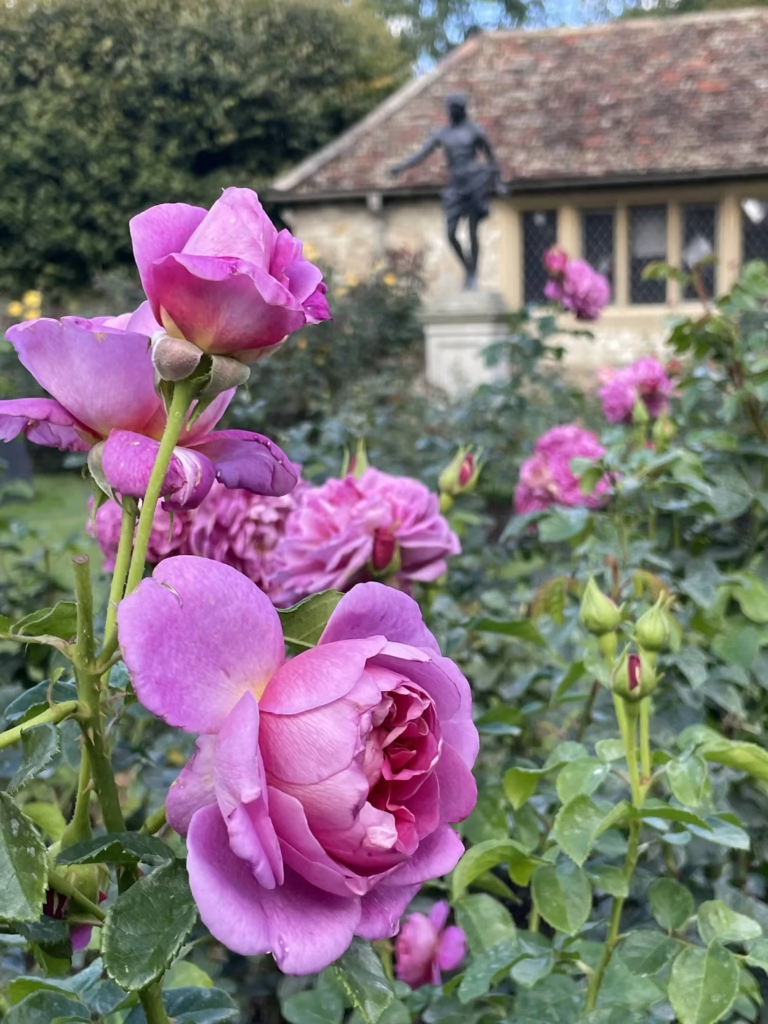
Old Garden Roses bring charm and fragrance to every garden. These roses, also called heritage or heirloom roses, date back to before 1867, the year the first modern hybrid tea rose was introduced. With their rich history, full blooms, and delightful scents, Old Garden Roses remain a favorite for gardeners who value tradition and natural beauty.
What Are Old Garden Roses?
Old Garden Roses are known for their lush, romantic flowers and strong fragrance. Unlike modern roses, they bloom on old wood and tend to bloom once a year in early summer. However, some varieties repeat bloom later in the season. These roses often grow in a more natural, shrubby form, which fits perfectly in cottage gardens, borders, and even informal hedges. Common types include Damask, Gallica, Alba, Centifolia, and Bourbon roses.
Many Old Garden Roses are also disease-resistant and hardy, making them ideal for organic or low-maintenance gardens. Their dense growth often protects them from pests and harsh weather. Best of all, they rarely need the constant pruning or spraying that modern hybrid teas often require.
Choosing the Right Rose for Your Zone
Before planting, check your USDA hardiness zone. Most Old Garden Roses grow well in zones 4 through 9. However, some types handle cold better than others. For example, Gallica and Alba roses thrive in colder zones like 4 or 5. Bourbon and China roses prefer warmer zones 7 through 9.
Always choose a variety suited to your zone to avoid winter damage or failed blooms. Local nurseries usually offer options that match your climate. You can also find reliable rose suppliers online with detailed zone information for each type.
How to Prepare Soil for Old Garden Roses
Old Garden Roses love rich, well-drained soil. Start by choosing a sunny location with good air circulation. Dig a hole about 18 inches wide and 18 inches deep. Mix the soil with compost or aged manure to improve texture and nutrients. If your soil is heavy clay, add coarse sand or perlite to improve drainage.
Check the pH level of your soil with this 4 in 1 soil meter. Roses prefer slightly acidic soil with a pH between 6.0 and 6.5. You can use a soil test kit from your local garden center. If your soil is too alkaline, mix in sulfur to bring down the pH. If it’s too acidic, add garden lime.
Light Needs for Healthy Growth
Old Garden Roses need at least six hours of full sun each day. Morning sunlight is best, as it dries dew quickly and prevents diseases like black spot and powdery mildew. If your garden has partial shade, choose varieties known to handle lower light levels, such as some Alba roses.
Avoid planting your roses near large trees or tall shrubs that block light. Also, make sure air can move freely around the plant. This airflow keeps leaves dry and reduces the risk of fungal problems.
Watering Your Roses the Right Way
Deep, consistent watering helps Old Garden Roses develop strong roots. Water once or twice a week, depending on weather and soil conditions. During hot or dry spells, increase watering. Always water at the base of the plant to keep leaves dry and avoid disease.
Use mulch around the base to keep the soil moist and cool. A 2- to 3-inch layer of organic mulch like bark chips or straw helps retain moisture, suppress weeds, and enrich the soil as it breaks down.
Best Fertilizers for Old Garden Roses
Old Garden Roses benefit from steady feeding during the growing season. In early spring, use a balanced organic rose fertilizer or compost tea. Apply it again after the first bloom cycle to support repeat blooms, if your variety allows it.
Avoid high-nitrogen fertilizers, which can cause too much leafy growth and fewer flowers. Instead, choose a balanced blend or one slightly higher in phosphorus to promote strong root and flower development.
Stop fertilizing about 6 to 8 weeks before your area’s first expected frost. This pause helps roses harden off and prepare for winter.
How to Propagate Old Garden Roses
You can propagate Old Garden Roses by softwood cuttings, hardwood cuttings, or layering. The best time to take softwood cuttings is late spring or early summer. Choose a healthy, non-flowering stem and cut a 6-inch piece. Remove the lower leaves, dip the cut end in rooting hormone, and plant it in a mix of sand and potting soil. Keep the soil moist and place the pot in indirect light.
Hardwood cuttings work well in fall. Take a pencil-thick stem, cut it to 8 inches long, and bury two-thirds of it in soil. Water well and wait for new growth in spring.
Layering is also simple. Bend a low-growing stem to the ground, nick the underside, and bury it a few inches deep with the tip sticking out. Secure it with a rock or garden staple. Once it roots, cut it from the main plant and transplant it.
Pruning Tips for Old Garden Roses
Prune Old Garden Roses in late winter or early spring before new growth begins. Use clean, sharp pruners and remove any dead, damaged, or crossing branches. Unlike modern roses, you don’t need to cut Old Garden Roses heavily. Instead, aim to shape the plant and open the center for airflow.
If your rose blooms only once a year, wait to prune after flowering. This way, you won’t cut off buds forming on old wood. For repeat bloomers, a light trim in early spring followed by deadheading throughout the season keeps them tidy and encourages more flowers.
Winter Care for Cold Climates
Old Garden Roses are often hardy, but they still need protection in colder zones. After the first frost, clean up fallen leaves and mulch to prevent disease. Mound soil or compost around the base of the plant to protect the crown.
In zones 4 through 6, add a thick layer of mulch—about 8 to 12 inches—around the base. You can also wrap the plant loosely in burlap or cover it with a rose cone filled with straw. Remove these covers in early spring once temperatures rise.
Avoid pruning in fall, as it can encourage new growth that won’t survive winter. Instead, wait until spring to shape the plant.
Common Pests and How to Treat Them
Old Garden Roses are more disease- and pest-resistant than modern varieties, but they’re not immune. Keep an eye out for aphids, Japanese beetles, and spider mites. Use a strong spray of water or insecticidal soap to remove aphids. For beetles, handpick them or use pheromone traps away from your roses.
Spider mites prefer dry, dusty conditions. Keep plants well-watered and mist the leaves if needed. Neem oil works well for most pests and also helps prevent fungal problems.
Check leaves regularly for signs of black spot or powdery mildew. Remove affected leaves and dispose of them in the trash, not the compost. Use a baking soda spray (1 teaspoon baking soda + 1 quart water + a drop of dish soap) to prevent or treat early infections.
Final Thoughts
Old Garden Roses add timeless elegance and fragrance to any garden. By choosing the right variety for your zone, preparing rich soil, and giving proper care throughout the seasons, you’ll enjoy stunning blooms year after year. These roses reward patience and regular attention with lush, scented flowers that bring history and beauty to your garden. With a little planning, Old Garden Roses can thrive in both small cottage gardens and large landscapes.
Please be sure to check out my Gardening Blog Post Page for more tips on all types of gardening. Including Seed Saving, Seed Starting, Orchids, Water Gardening, Coldframe Gardening, Indoor Bulb Gardening, Hydroponics, Container Gardening, Mums, Herbs, African Violets, planting Bulbs, Flower Gardening, Vegetable and Fruit Gardening, Indoor Houseplants of all kinds, Cactus, Succulents, Hanging plants, Deer resistant plants and even Bird, Bee, Butterfly and Hummingbird Gardens!