
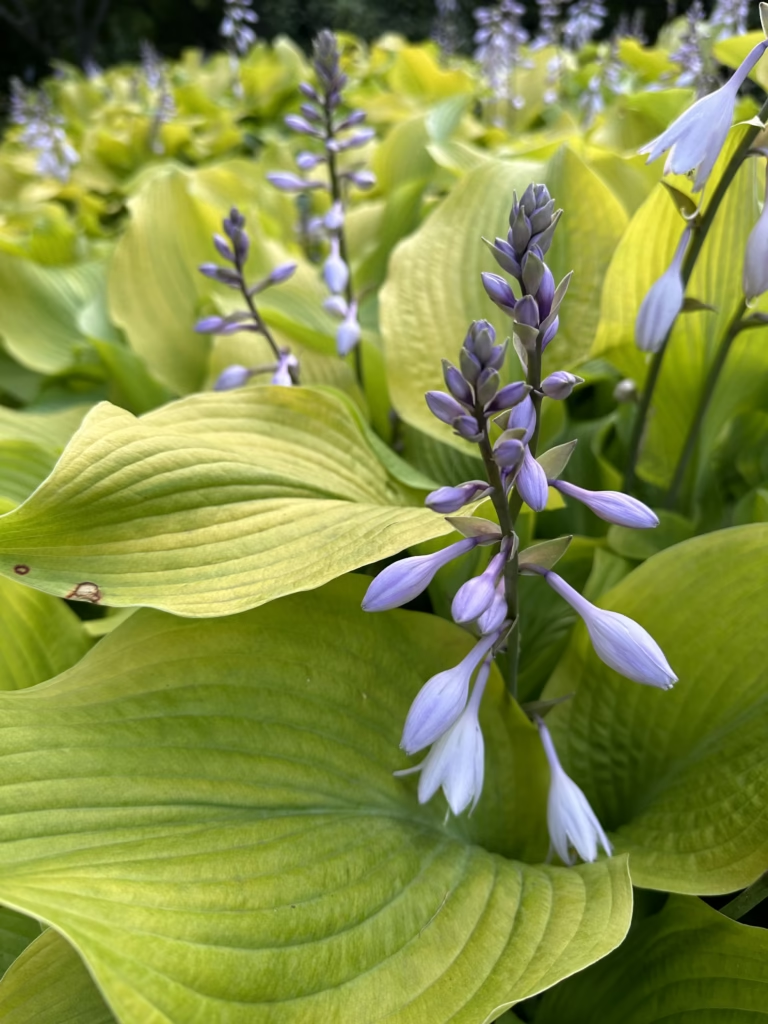
If you want a lush and easy-to-maintain shade garden, hostas are a top choice. These leafy perennials thrive in low light and come in many shapes, sizes, and colors. With proper care, hostas grow bigger and more beautiful each year. This guide will walk you through how and when to plant a hosta shade garden. What kind of soil and water they need, the best lighting and fertilizer, how to propagate them, and which varieties stand up to the cold.
When and How to Plant Hostas
The best time to plant hostas is in early spring or early fall. In spring, aim for after the last frost but before the summer heat. Fall planting works well too, but get them in the ground at least four weeks before your first hard frost. That way, the roots have time to settle before winter.
To plant a hosta, dig a hole twice as wide as the root ball and just as deep. Loosen the soil at the bottom of the hole so the roots can spread easily. Set the hosta crown—the spot where the leaves meet the roots—at soil level. Fill the hole with soil, then press it down gently and water thoroughly. Space your hostas based on their mature size. Small ones need about 1 to 2 feet of space, while large types need 3 feet or more.
The Right Soil for Hostas
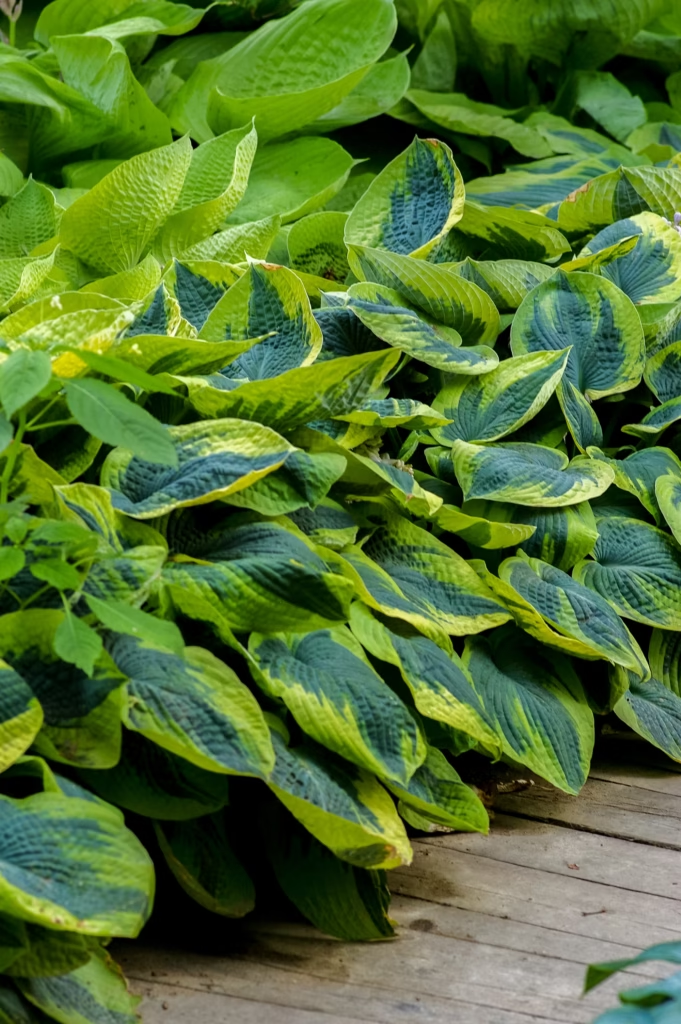
Hostas grow best in rich, well-draining soil. They love organic matter, so mix in compost or aged manure before planting. A slightly acidic to neutral pH between 6.0 and 7.5 works best. This 4 in 1 soil meter is great for monitoring your soil pH, moisture and nutrient contents.
If your soil feels heavy and clay-like, improve drainage by adding sand, leaf mold, or fine pine bark. In raised beds or containers, use a mix that drains well but holds moisture. Hostas do not grow well in soggy soil, so avoid low spots where water gathers.
Water Needs for Hostas
Hostas need steady moisture to stay healthy, especially in their first year. Water deeply once a week, giving the roots time to soak. During hot summer weeks, check the soil more often. If it feels dry an inch down, it’s time to water.
Early morning watering works best. This gives leaves time to dry and helps prevent disease. Avoid watering from above. Instead, aim for the base of the plant. Mulch helps keep the soil moist and cool. Spread 2 to 3 inches of organic mulch, like shredded bark or compost, around your hostas. Keep mulch a few inches away from the plant base to prevent rot.
How Much Light Do Hostas Need?

Hostas are famous shade lovers, but most need some light to grow well. They thrive in partial to full shade, with filtered morning sun and afternoon shade being ideal. Too much direct sun can scorch their leaves, especially the light green and blue varieties.
If you want to plant hostas in areas with more sun, choose varieties that can handle brighter conditions. Many yellow and green hostas grow well in part sun if they get enough water. Just keep an eye on the leaves. If they begin to look faded or scorched, move the plant to a shadier spot.
Fertilizing Hostas for Healthy Growth
Hostas benefit from regular feeding. Use a balanced, slow-release fertilizer in early spring as new growth appears. A 10-10-10 or 14-14-14 formula works well. Sprinkle it around the base of the plant and water it in. Avoid getting fertilizer on the leaves, as it can cause burn marks.
For an extra boost, feed your hostas with a liquid fertilizer every few weeks during the growing season. Fish emulsion or compost tea gives them a gentle, organic dose of nutrients. Stop fertilizing by late summer to avoid new growth that could get damaged by early frosts.
Propagating Hostas by Division
The best way to propagate hostas is by dividing them. This not only gives you more plants, but it also keeps older hostas from getting too crowded. Spring and early fall are the best times for dividing.
To divide a hosta, dig up the whole plant and shake off the soil. Look for natural clumps or “eyes” where new shoots grow. Use a sharp knife or spade to cut the plant into sections, making sure each one has roots and at least one eye. Replant the divisions right away and water well.
You can also divide a large hosta in place. Just slice off a section with a sharp shovel and leave the rest of the plant untouched.
Hardy Hosta Varieties to Try
Hostas are known for being cold hardy, and many can survive in USDA zones 3 through 9. Here are some tough varieties that perform well in different climates:
- ‘Sum and Substance’ – A giant hosta with chartreuse leaves that grows well in sun or shade. It can reach up to 3 feet tall and 6 feet wide.
- ‘Halcyon’ – A classic blue hosta that keeps its color well into summer. It’s slug-resistant and compact, growing about 18 inches tall.
- ‘Frances Williams’ – This striking hosta has blue-green leaves with gold margins. It needs good drainage but handles cold very well.
- ‘Patriot’ – With dark green leaves edged in white, this hosta adds contrast to shade gardens. It grows to about 2 feet tall and spreads nicely.
- ‘June’ – A colorful choice with gold-centered leaves and blue-green edges. It performs well in partial shade and resists slugs.
- ‘Blue Angel’ – One of the largest blue hostas, this variety makes a dramatic statement in the shade garden and tolerates deep shade well.
- ‘Krossa Regal’ – A stately hosta with upright, frosty blue-green leaves. It grows 3 feet tall and adds structure to any shade garden.
- ‘Fire and Ice’ – A bold, variegated hosta with white centers and dark green edges. It prefers cool, moist conditions.
- ‘First Frost’ – This hardy hosta features blue leaves with golden margins that turn white later in the season. It handles cold winters with ease.
These hardy varieties come back stronger every year and give you a wide range of sizes and colors to work with.
Tips for Thriving Hosta Gardens
To keep your hostas looking their best, follow a few simple tips. First, watch out for slugs and snails. They love hosta leaves and can do serious damage. Use iron phosphate slug bait or create barriers with crushed eggshells or diatomaceous earth.
Next, remove dead or damaged leaves as needed to keep the plants tidy. In fall, cut back the foliage after the first frost and clean up around the base to prevent pests from overwintering.
If deer visit your garden, protect your hostas with fencing or spray-on repellents. Some gardeners plant more deer-resistant plants nearby to distract them.
Finally, mix different hosta varieties to create texture and contrast. Combine large and small types, mix blue, green, and variegated leaves, and plant them alongside ferns, astilbes, and heucheras for a layered shade garden that looks full and vibrant all season long.
Final Thoughts

Hosta shade gardening is one of the easiest ways to fill your landscape with color, texture, and life. Whether you’re starting with a single plant or planning a large shade border, hostas offer beauty without a lot of work. Plant them in rich soil, give them the right amount of water and light, and feed them regularly. With hardy varieties and a little attention, your hostas will grow lush and full for years to come.
Please be sure to check out my Gardening Blog Post Page for more tips on all types of gardening. Including Seed Saving, Seed Starting, Orchids, Water Gardening, Coldframe Gardening, Indoor Bulb Gardening, Hydroponics, Container Gardening, Mums, Herbs, African Violets, planting Bulbs, Flower Gardening, Vegetable and Fruit Gardening, Indoor Houseplants of all kinds, Cactus, Succulents, Hanging plants, Deer resistant plants and even Bird, Bee, Butterfly and Hummingbird Gardens!