

Transplanting seedlings is an important step in gardening. If done correctly, it helps plants grow stronger and healthier. However, if you disturb the roots too much, the seedlings can suffer or even die. Learning how to transplant seedlings safely can make a big difference in your garden’s success. With the right timing and technique, you can move your seedlings into the garden or a larger container without harming their delicate root systems.
When Should You Transplant Seedlings?
Timing plays a key role in safe transplanting. You should never rush this step. Wait until your seedlings have grown strong enough to handle the move.
A good rule of thumb is to transplant seedlings when they have at least two sets of true leaves. The first leaves that appear are called seed leaves, or cotyledons. These are different from true leaves. Once the second set of true leaves appears, the seedling is mature enough for transplanting.
In most cases, this happens two to four weeks after germination. If you’re starting seeds indoors, keep an eye on their size. You don’t want them to become rootbound or overcrowded. On the other hand, don’t transplant them too early, as they may not have developed strong enough roots yet.
How to Prepare for Transplanting Seedlings
Before you start the transplanting process, take a few simple steps to get everything ready. Preparing well reduces the chance of shock and root damage.
First, water your seedlings thoroughly a few hours before transplanting. Moist soil helps the roots stay intact when you lift the seedlings out of their trays or pots. Dry soil crumbles, which can cause roots to break apart.
Next, prepare the new planting space. Whether you’re moving your seedlings to a garden bed, raised bed, or larger container, make sure the soil is loose, rich, and moist. Use compost or a balanced organic fertilizer to give your seedlings a healthy start in their new home.
If you’re planting outdoors, check the weather. Choose a cool, cloudy day or transplant in the early morning or late afternoon. This protects your seedlings from direct sun and reduces the risk of transplant shock.
How to Transplant Seedlings Without Damaging Roots
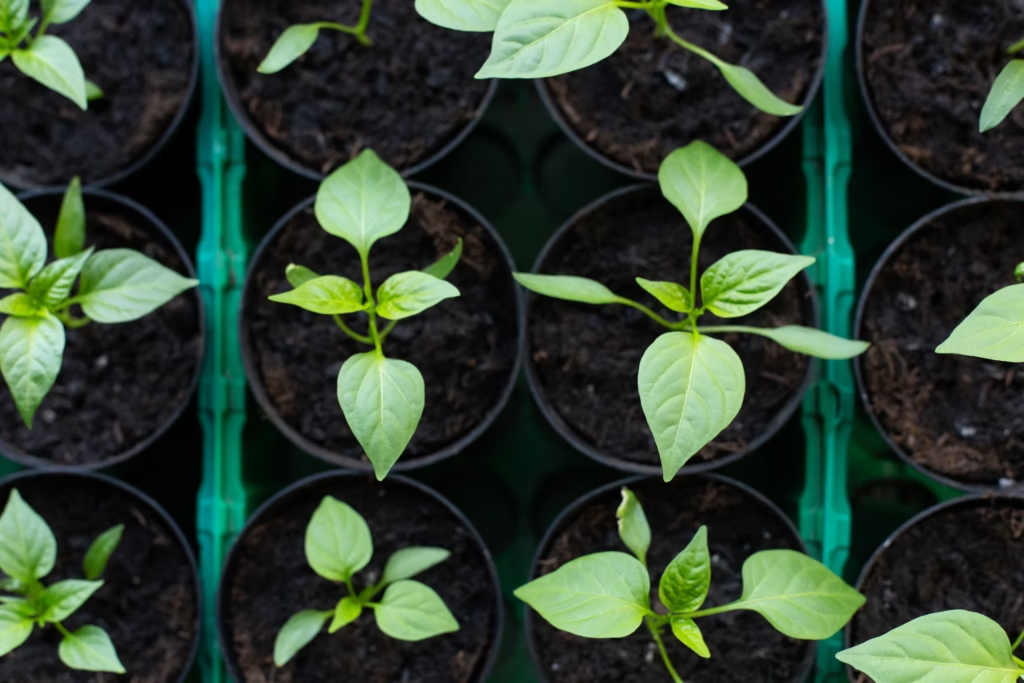
Now that you’re ready, it’s time to move your seedlings. Here’s how to do it gently and safely.
Start by loosening the soil around the seedling with a small tool like a spoon, popsicle stick, or transplanting tool. Avoid pulling the seedling by the stem. Instead, gently lift it by the leaves or scoop it from below to keep the root ball intact.
If your seedlings are in cells or pots, gently squeeze the sides or tap the bottom to release the root ball. Support the base of the plant as you lift it out. Try to keep as much of the original soil around the roots as possible.
Next, make a small hole in the new soil. The hole should be deep and wide enough to fit the roots without bending them. Place the seedling into the hole, making sure the root system spreads naturally downward. Avoid curling or folding the roots, which can lead to stunted growth later.
Once the seedling is in place, gently press the soil around it to remove air pockets. Firm the soil just enough to hold the seedling upright, but don’t pack it too tightly.
Finally, water the seedling immediately after transplanting. This helps settle the soil around the roots and eases the plant into its new environment.
Tips to Reduce Transplant Shock
Even with the best care, seedlings can experience some stress after transplanting. Here are a few tips to reduce transplant shock and keep your seedlings healthy:
1. Harden off your seedlings. Before moving indoor seedlings outside, harden them off by exposing them to outdoor conditions gradually. Start by placing them outside for a few hours a day in a sheltered spot, then increase the time over a week.
2. Keep them shaded. Right after transplanting, shade your seedlings with a row cover or lightweight fabric to protect them from sun and wind. After a few days, you can remove the cover once they adjust.
3. Use a diluted liquid fertilizer. A light feeding with diluted fish emulsion or compost tea can help strengthen the seedlings and promote new root growth.
4. Avoid disturbing the roots again. After transplanting, avoid moving or disturbing the seedlings any further. Let them establish in their new spot without added stress.
Common Mistakes to Avoid When Transplanting
Many beginner gardeners make the same mistakes when transplanting seedlings. Avoiding these errors can make a big difference in your garden’s success.
1. Transplanting too early. As mentioned earlier, young seedlings need time to develop strong roots. Always wait for two sets of true leaves before transplanting.
2. Damaging the roots. Tugging or pulling the seedling can break the roots. Always scoop from underneath and support the root ball.
3. Planting too deep or too shallow. Plant the seedling at the same depth it was growing before, unless you’re planting tomatoes. Tomato seedlings can be buried deeper to encourage root growth along the stem.
4. Skipping the hardening-off process. Sudden changes in temperature, wind, and sunlight can shock your seedlings. Always take time to harden them off.
5. Forgetting to water after transplanting. Watering helps settle the soil and gives the seedling a fresh start. Don’t skip this important step.
When Can You See Growth After Transplanting?
Seedlings usually pause their growth right after transplanting. This is normal as they adjust to their new environment. After a few days to a week, you should see signs of new growth.
If the leaves stay green and firm, and you notice new leaves forming, your seedling has settled in well. If the plant wilts or shows yellow leaves, it might need more time or better care.
Continue to water your seedlings regularly, keeping the soil moist but not soggy. Keep an eye on their health, and in time, you’ll see your efforts pay off with strong, thriving plants.
Final Thoughts on Transplanting Seedlings Safely
Transplanting seedlings is a skill every gardener should master. While it might feel tricky at first, practice makes the process easier. By following the right timing and using gentle techniques, you can move your seedlings without damaging their roots.
Always start by preparing your seedlings and your soil. Take your time and handle each plant with care. Use tools to lift them gently, and water them well after planting. With patience and good habits, your seedlings will thrive and grow into healthy, productive plants.
Whether you’re planting vegetables, herbs, or flowers, knowing how to transplant seedlings safely will help you grow a stronger garden from the start. So next time you’re ready to move those little plants, follow these simple steps and watch your garden bloom.
Please be sure to check out my Gardening Blog Post Page for more tips on all types of gardening. Including Seed Saving, Seed Starting, Orchids, Water Gardening, Coldframe Gardening, Indoor Bulb Gardening, Hydroponics, Container Gardening, Mums, Herbs, African Violets, planting Bulbs, Flower Gardening, Vegetable and Fruit Gardening, Indoor Houseplants of all kinds, Cactus, Succulents, Hanging plants, Deer resistant plants and even Bird, Bee, Butterfly and Hummingbird Gardens!