
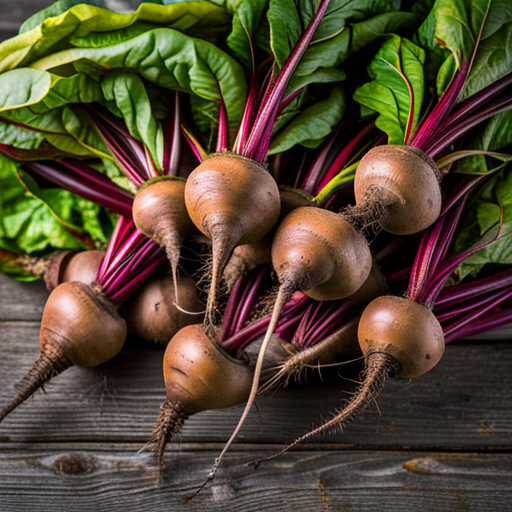
Growing beets in 5-gallon buckets is an excellent way to enjoy fresh, homegrown vegetables even with limited space. These containers provide deep enough soil for root development, making them ideal for growing healthy beets. Follow this guide to choose the best beet varieties, plant the right number of seeds, and maintain optimal growing conditions.
Best Beet Varieties for Container Gardening
Not all beet varieties thrive in containers, so choosing the right type ensures a successful harvest. The best options for 5-gallon buckets include:
- Detroit Dark Red – A classic variety with deep red flesh and a sweet, earthy flavor.
- Bull’s Blood – Known for its dark red leaves and flavorful roots.
- Golden Beets – A great choice for those who prefer a milder taste and a unique golden color.
- Baby Beets – These smaller varieties mature quickly and work well in limited space.
- Chioggia – A striking beet with red-and-white rings, offering a mild, slightly sweet taste.
These varieties adapt well to container gardening and produce high yields with proper care.
How Many Beets to Plant Per 5-Gallon Bucket
Beets need enough room to grow, so spacing is important. Each 5-gallon bucket can accommodate 6 to 8 beet plants. When planting seeds, sow them 2 inches apart in all directions. If planting in rows within the bucket, leave at least 3 inches between rows. Once seedlings emerge, thin them to ensure proper root development and prevent overcrowding.
Best Soil for Beets in Buckets
Beets thrive in well-draining, nutrient-rich soil. Use a mix of potting soil, compost, and perlite for the best results. A good soil mix includes:
- 2 parts potting soil – Provides essential nutrients and good texture.
- 1 part compost – Adds organic matter and improves fertility.
- 1 part perlite or sand – Ensures proper drainage to prevent root rot.
Avoid heavy clay soils, which can stunt root growth and lead to misshapen beets. Maintain a soil pH between 6.0 and 7.0for optimal nutrient absorption.
Sunlight Requirements for Beets
Beets need at least 6 to 8 hours of direct sunlight daily. Place buckets in a sunny location, such as a balcony, patio, or backyard. If growing indoors or in a shaded area, consider using grow lights to supplement natural sunlight.
Watering Beets in Buckets
Consistent moisture is crucial for healthy beet growth. Water the plants deeply but not excessively, keeping the soil evenly moist. Follow these watering guidelines:
- Water 2 to 3 times per week, depending on weather conditions.
- Check soil moisture by inserting a finger 1 inch deep; water if the soil feels dry.
- Avoid overwatering, as soggy soil can cause root rot and fungal diseases.
Fertilizing Beets for Maximum Growth
Beets benefit from balanced fertilization throughout their growing cycle. Use a low-nitrogen fertilizer to encourage root development rather than excessive leaf growth. The best fertilizers include:
- Balanced 10-10-10 fertilizers – Apply every 3 to 4 weeks.
- Bone meal – Boosts phosphorus levels for strong root formation.
- Liquid seaweed or fish emulsion – Provides micronutrients for overall health.
Apply fertilizers sparingly to avoid excessive foliage growth at the expense of the beet roots.
Common Problems and How to Fix Them
Leggy Seedlings
If beet seedlings grow tall and spindly, they lack sufficient light. Move buckets to a sunnier spot or use grow lights to provide adequate illumination.
Small or Misshapen Beets
Poor root development often results from overcrowding, compacted soil, or too much nitrogen. Thin seedlings early, use loose soil, and avoid high-nitrogen fertilizers.
Yellowing Leaves
This issue may indicate nutrient deficiencies or overwatering. Ensure proper drainage, reduce watering if necessary, and add balanced fertilizer.
Pests and Diseases
Beets grown in containers typically face fewer pest problems, but some common issues include:
- Aphids – Spray with neem oil or use insecticidal soap.
- Flea Beetles – Cover plants with plant covers or apply diatomaceous earth.
- Powdery Mildew – Improve air circulation and treat with a baking soda spray.
Regularly inspect plants to catch problems early and take action before they spread.
Harvesting Beets from Buckets
Beets reach maturity in 50 to 70 days, depending on the variety. Harvest when the roots are 2 to 3 inches in diameter for the best flavor and texture. To harvest:
- Gently loosen the soil around the beet.
- Grasp the greens at the base and pull upward.
- Trim the tops, leaving about 1 inch of stem to prevent bleeding.
Store beets in the refrigerator for up to two weeks or preserve them by pickling or freezing.
Final Thoughts
Growing beets in 5-gallon buckets offers a simple, space-saving way to enjoy fresh, homegrown produce. By selecting the right variety, providing proper soil, and maintaining consistent care, you can achieve a successful harvest. Whether you have a small patio or a backyard garden, this method ensures a steady supply of delicious, nutrient-rich beets throughout the growing season.
Please be sure to check out my Gardening Blog Post Page for more tips on all types of gardening. Including Seed Saving, Seed Starting, Orchids, Water Gardening, Coldframe Gardening, Indoor Bulb Gardening, Hydroponics, Container Gardening, Mums, Herbs, African Violets, planting Bulbs, Flower Gardening, Vegetable and Fruit Gardening, Indoor Houseplants of all kinds, Cactus, Succulents, Hanging plants, Deer resistant plants and even Bird, Bee, Butterfly and Hummingbird Gardens!