
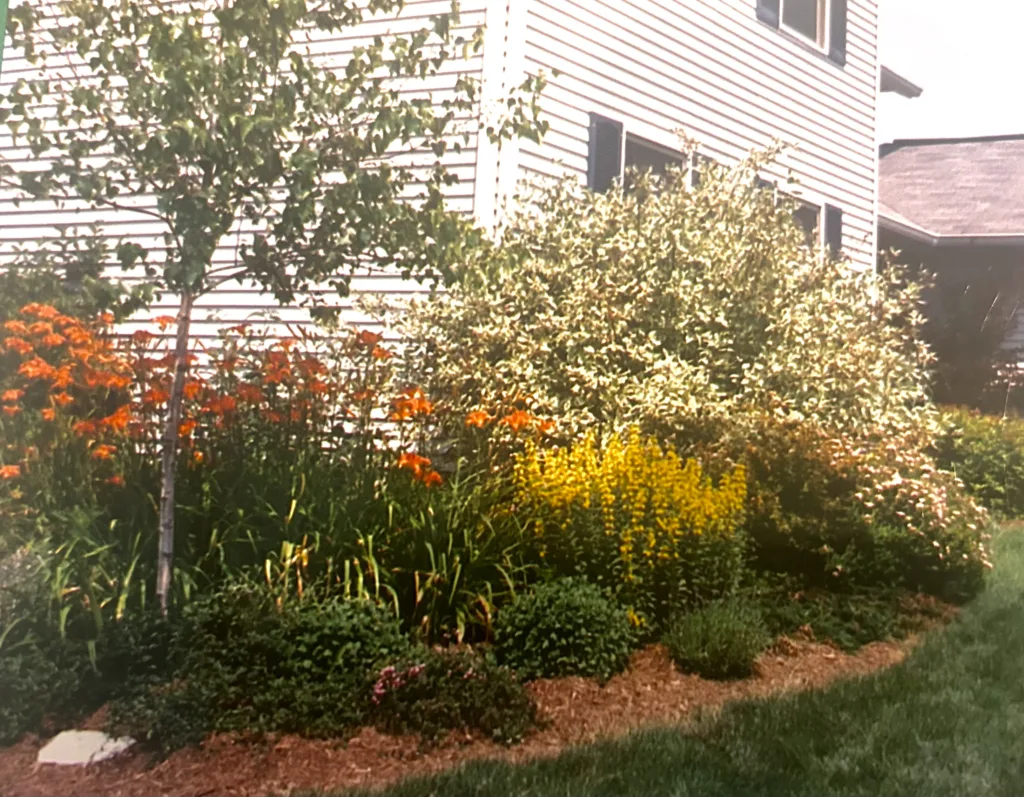
Creating a beautiful front yard garden bed is one of the best ways to boost curb appeal and enjoy color from spring through fall. A well-designed garden bed brings together annuals, perennials, and decorative features to create a welcoming and lively outdoor space. By choosing the right plants and arranging them by height and bloom time, you can enjoy nonstop color. With a few tips on planting, care, and decoration, you can start designing front yard garden beds for your home.
Choose the Right Mix of Annuals and Perennials
To create a garden bed with color all season, use both annuals and perennials. Annuals bloom continuously through the growing season, filling gaps between perennial blooms. Perennials return each year, offering structure and dependable flowering at specific times.
Start with perennials like coneflowers, black-eyed Susans, daylilies, salvia, and coreopsis for mid- to late-season color. Add peonies, iris, and columbine for spring interest. For long-lasting summer blooms, include blanket flower, Russian sage, and bee balm.
https://amzn.to/4juKqIUAnnuals offer nonstop color from planting to frost. Great choices include petunias, zinnias, marigolds, impatiens, and snapdragons. For height, try cosmos or sunflowers. For trailing color near borders, use calibrachoa or lobelia. Mix in foliage plants like dusty miller and coleus to add texture and color variation.
Plan the Layout by Plant Height
Always arrange your plants by height to keep the garden looking tidy and balanced. Tall plants should go in the back of the bed, medium-height plants in the middle, and short plants or ground covers along the front.
If your garden bed faces a walkway or is viewed from all sides, place taller plants in the center and work outward with shorter varieties. This shape allows every plant to be visible and ensures no flower blocks another.
For tall background plants, consider hollyhocks, delphiniums, or ornamental grasses. In the middle layer, grow plants like shasta daisies, salvia, and coreopsis. Along the front edge, tuck in alyssum, sweet woodruff, or creeping thyme. These low-growers will soften edges and add fragrance.
Prepare and Plant the Garden Bed
Before planting, remove all weeds and loosen the soil with a garden fork. Add compost or well-rotted manure to enrich the soil and improve drainage. Healthy soil is the base of a thriving garden.
Once the soil is ready, set your plants in place while still in their pots. This lets you try different layouts before planting. When you’re happy with the arrangement, dig holes slightly wider than each root ball. Gently remove the plant from its container, loosen the roots, and set it in the hole. Cover the roots with soil, press down lightly, and water well.
When planting seeds, follow the instructions on the packet. Some seeds need light to germinate, while others must be covered. Always keep the soil moist until seedlings appear.
Water, Feed, and Care for Your Plants
After planting, give your garden bed consistent care. Most garden beds need about an inch of water per week, either from rainfall or a hose. Water deeply so roots grow strong and deep.
Mulch around your plants to hold moisture, keep weeds out, and regulate soil temperature. Use shredded bark, pine needles, or compost as mulch. Keep it a few inches away from plant stems to prevent rot.
Feed your plants every few weeks during the growing season. Use a balanced liquid fertilizer for annuals and a slow-release formula for perennials. Deadhead spent blooms on annuals and reblooming perennials to encourage more flowers. Prune back leggy growth and remove faded leaves to keep your garden looking fresh.
As the seasons change, some perennials may stop blooming. Fill in bare spots with late-blooming annuals like rudbeckiaor asters. In fall, clean up plant debris to prevent disease, and apply a fresh layer of mulch before winter.
Add Garden Ornaments for Personality
Garden ornaments can bring charm, structure, and personality to your front yard garden bed. Use them to highlight focal points or create visual breaks between clusters of flowers.
Try adding a birdbath, small bench, or garden statue among your plants. Use items like a metal trellis, painted pot, or rustic obelisk to support vines and add height. Tuck a few solar lights or lanterns along the path for a cozy glow in the evening.
Decorative items should complement the style of your home and garden. Choose natural stone, aged metal, or painted wood for a cottage-style bed. For a more modern look, use sleek pots, abstract sculptures, or minimal trellises.
Enjoy Color All Season Long
To keep your garden bed colorful from early spring to late fall, choose a variety of plants with different bloom times. Start with crocus, daffodils, and tulips in spring. Follow with poppies, iris, and lupines in early summer. Then let coneflowers, zinnias, and bee balm carry the show through summer. In fall, rely on asters, sedum, and chrysanthemums to end the season strong.
Don’t forget to adjust your garden each year. Add new colors, try different plant combinations, and move perennials that have outgrown their spots. A little effort each season keeps your front yard garden bed fresh, colorful, and full of life.
Please be sure to check out my Gardening Blog Post Page for more tips on all types of gardening. Including Seed Saving, Seed Starting, Orchids, Water Gardening, Coldframe Gardening, Indoor Bulb Gardening, Hydroponics, Container Gardening, Mums, Herbs, African Violets, planting Bulbs, Flower Gardening, Vegetable and Fruit Gardening, Indoor Houseplants of all kinds, Cactus, Succulents, Hanging plants, Deer resistant plants and even Bird, Bee, Butterfly and Hummingbird Gardens!
