
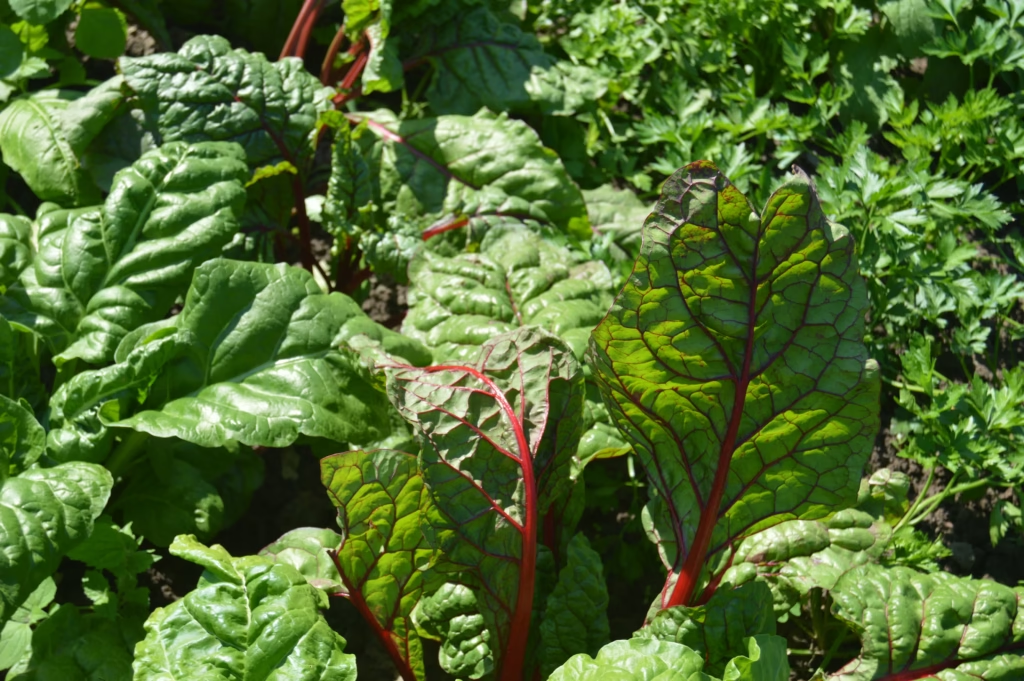
Swiss chard is a nutrient-rich leafy green that grows well in containers, making it perfect for small-space gardening. A 5-gallon bucket provides enough room for healthy root development and easy mobility. With the right soil, light, water, and care, you can start growing swiss chard in 5 gallon bucket and enjoy a steady harvest of this versatile vegetable.
Best Types of Swiss Chard to Grow
Several Swiss chard varieties thrive in containers. Some of the best choices include:
- Bright Lights – This variety features colorful stems in red, yellow, orange, and pink, adding visual appeal to your garden.
- Fordhook Giant – A classic choice with large, dark green leaves and thick white stems. It’s heat-tolerant and productive.
- Ruby Red (Rhubarb Chard) – This type has deep red stems and dark green leaves, making it a striking addition to any garden.
- Lucullus – Known for its tender, pale green leaves and white stems, this variety is excellent for cooking.
- Peppermint – A unique variety with pink and white striped stems, offering a mild, sweet flavor.
How Many Seeds or Plants Per Bucket?
A 5-gallon bucket provides enough space for multiple Swiss chard plants. To maximize growth:
- Seeds: Sow 4-5 seeds evenly spaced in the bucket. Once the seedlings emerge, thin them to 2-3 strong plants.
- Transplants: Plant 2-3 young Swiss chard plants per bucket, ensuring enough space for each to develop fully.
Swiss chard grows upright, so overcrowding reduces airflow and increases disease risk. Thinning early ensures healthy plants and better yields.
Best Soil for Swiss Chard in a Bucket
Swiss chard thrives in well-draining, nutrient-rich soil. Use a high-quality potting mix that includes compost or organic matter. A mix of:
- Two-thirds potting soil for good drainage
- One-third compost to provide essential nutrients
- Perlite or sand to improve aeration
Avoid using garden soil, as it compacts easily and may contain pests or diseases. A loose, well-draining mix supports healthy root growth and prevents waterlogging.
Sunlight Requirements
Swiss chard needs at least 6 hours of direct sunlight daily. Place your bucket in a sunny spot, such as a patio, balcony, or near a south-facing wall. If growing indoors or in a shady area, use grow lights to supplement natural light.
During extremely hot weather, Swiss chard benefits from partial afternoon shade to prevent wilting. If temperatures exceed 85°F, move the bucket to a slightly cooler location.
Watering Swiss Chard in a 5-Gallon Bucket
Consistent watering keeps Swiss chard healthy and prevents stress. Follow these guidelines:
- Water deeply when the top inch of soil feels dry.
- Aim for 1-1.5 inches of water per week, adjusting for rainfall.
- Avoid overwatering, as soggy soil leads to root rot.
Use a bucket with drainage holes to prevent water buildup. Water early in the morning to allow excess moisture to evaporate during the day.
Fertilizing for Healthy Growth
Swiss chard is a heavy feeder and benefits from regular fertilization. For best results:
- Mix compost or slow-release fertilizer into the soil before planting.
- Feed every 2-3 weeks with a balanced liquid fertilizer (such as 10-10-10) or an organic fish emulsion.
- Use nitrogen-rich fertilizers to promote leafy growth if plants appear pale or weak.
Avoid excessive fertilization, as too much nitrogen can result in excessive leaf growth at the expense of stems and roots.
Common Problems and How to Fix Them
Swiss chard is relatively low-maintenance, but a few issues may arise. Here’s how to address them:
1. Leaf Miners
These pests tunnel into leaves, causing white trails and damage.
- Solution: Remove affected leaves and dispose of them. Use plant covers to keep adult flies from laying eggs.
2. Aphids
Tiny insects cluster on leaves, sucking sap and weakening plants.
- Solution: Spray plants with a mixture of water and dish soap or introduce ladybugs to control aphid populations.
3. Powdery Mildew
A white, powdery fungus appears on leaves in humid conditions.
- Solution: Improve air circulation by spacing plants properly. Apply a neem oil spray to affected areas.
4. Bolting (Premature Flowering)
Hot temperatures or stress can cause plants to bolt and produce flowers, making leaves bitter.
- Solution: Provide shade during hot afternoons and keep soil consistently moist. Harvest leaves regularly to encourage new growth.
5. Yellowing Leaves
Nutrient deficiencies or overwatering can cause leaves to turn yellow.
- Solution: Check soil moisture and adjust watering. Feed with a balanced fertilizer to correct nutrient imbalances.
Harvesting and Enjoying Swiss Chard
Swiss chard is ready to harvest 4-6 weeks after planting. Pick outer leaves first, allowing inner leaves to continue growing. Regular harvesting encourages new growth and extends the production period.
Use fresh leaves in salads, sautés, soups, or smoothies. Swiss chard remains productive throughout the season, providing a continuous supply of nutritious greens.
Final Thoughts
Growing Swiss chard in a 5-gallon bucket is a simple and rewarding way to enjoy fresh greens at home. By choosing the right variety, providing proper soil and nutrients, and addressing potential issues early, you can achieve a successful harvest. With minimal space and effort, you’ll have a thriving Swiss chard plant ready for picking throughout the season.
Please be sure to check out my Gardening Blog Post Page for more tips on all types of gardening. Including Seed Saving, Seed Starting, Orchids, Water Gardening, Coldframe Gardening, Indoor Bulb Gardening, Hydroponics, Container Gardening, Mums, Herbs, African Violets, planting Bulbs, Flower Gardening, Vegetable and Fruit Gardening, Indoor Houseplants of all kinds, Cactus, Succulents, Hanging plants, Deer resistant plants and even Bird, Bee, Butterfly and Hummingbird Gardens!